Best Manuka Oil Bottle Sizes: Which One Should You Order First?
Choosing the right manuka oil bottle size the first time around saves money, prevents waste, and helps you figure out how this distinctive New Zealand botanical fits into your daily routines. Buy too small and you run out before you can really explore it. Buy too large and you risk oxidation before the bottle is halfway finished.
This guide walks you through what the market actually offers, what quality looks like at each price point, and how to match a bottle size to where you are in your manuka oil journey.
Why Bottle Size Is a Real Buying Decision
Manuka oil is not a high-volume carrier oil. It is a concentrated essential oil, steam-distilled from the leaves and fine branches of Leptospermum scoparium, a shrub native to Aotearoa New Zealand. A little goes a long way in any blend or diffuser formula.
Because it is potent and relatively rare, manuka oil is typically sold in sizes ranging from 5 ml trial vials up to 100 ml bulk bottles. Each size bracket serves a different type of buyer. The wrong choice usually means either running out mid-project or watching a half-used bottle slowly oxidize at the back of a cupboard.
Oxidation matters more with manuka oil than with many other botanicals. Its distinctive triketone-rich profile, which gives it that dry, woody, slightly resinous character, can shift over time once exposed to air. Smaller bottles finished quickly will always outperform larger bottles used carelessly.
What to Look for: Quality Indicators Before You Check the Size
Bottle size is secondary to bottle quality. Before comparing volumes, make sure any product you consider meets these baseline standards.
Botanical Transparency
The label or product listing should clearly state the Latin name (Leptospermum scoparium) and the plant part used. Leaf-and-branch distillations are standard for essential oil production. If a supplier cannot tell you what part of the plant was distilled, that is a gap worth noting.
Country and Region of Origin
Genuine manuka oil comes from New Zealand. Some suppliers also note the specific region, such as East Cape or Marlborough, because growing conditions affect the chemical profile of the oil. East Cape manuka, in particular, tends to be higher in the beta-triketone compounds that researchers and formulators pay attention to. Region labeling is a sign of a supplier who understands the product they are selling.
Gas Chromatography (GC) Testing
Reputable suppliers provide a certificate of analysis (COA) or GC report for their batches. This document shows the actual compound percentages in that specific lot. If a supplier only offers a generic spec sheet without batch-specific data, keep looking.
Packaging
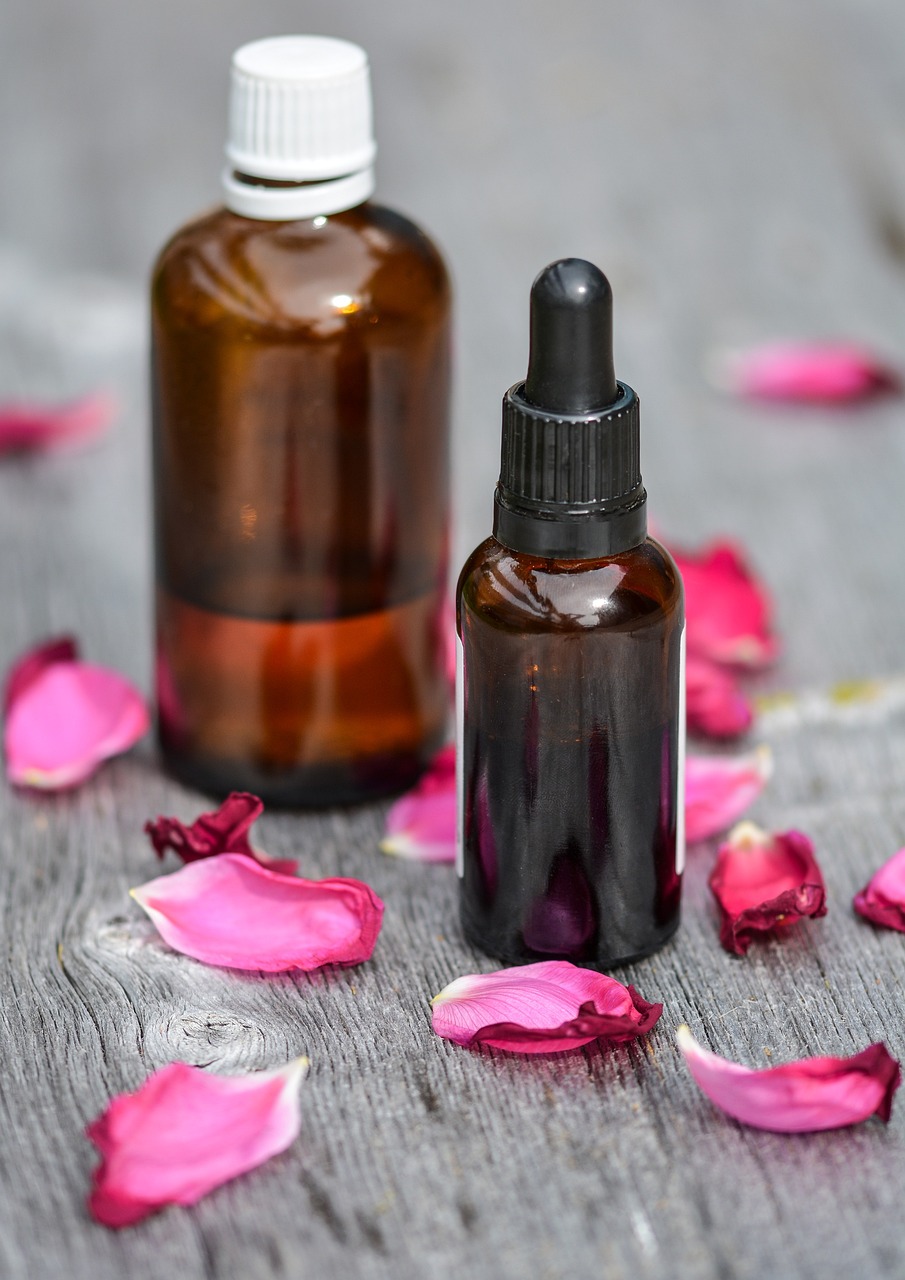
Dark glass (amber or cobalt blue) is non-negotiable for essential oils. Clear glass or plastic bottles allow light and air to degrade the oil faster. A tight-fitting euro-dropper cap or reducer insert is the standard for smaller sizes and makes precise measuring much easier.
Price as a Proxy
Manuka oil is not cheap to produce. Wild or semi-wild harvesting, careful distillation, and GC testing all add cost. If a 10 ml bottle is priced similarly to a generic lavender essential oil, ask questions before buying.
The Main Manuka Oil Sizes Compared
| Size | Best For | Approx. Drops | Price Range (USD) |
|---|---|---|---|
| 5 ml | First-time buyers, sampler kits | ~100 drops | $10–$18 |
| 10 ml | Regular personal use, blending trials | ~200 drops | $18–$35 |
| 15 ml | Committed home users, gift sets | ~300 drops | $28–$50 |
| 30 ml | Active formulators, small-batch makers | ~600 drops | $50–$90 |
| 50 ml+ | Wholesale, commercial production | 1,000+ drops | $80–$200+ |
Drop counts are approximate and vary slightly with viscosity and dropper type. Use them as planning estimates, not precise measurements.
Top Picks at Different Price Points
Best First Buy: 5 ml to 10 ml
If you have never worked with manuka oil before, start here. A 5 ml bottle gives you enough oil to assess the scent profile, run a few dilution experiments, and decide whether you want to work with it further. A 10 ml bottle is only slightly more expensive per ml and gives you more room to explore without a large commitment.
Look for: a clear COA, amber glass, and a stated origin region. Skip anything without batch-specific testing data, regardless of how appealing the branding looks.
At this size, the cost per ml is higher than larger bottles. That is expected. You are paying for packaging, handling, and the convenience of a low-commitment entry point.
Best for Regular Use: 15 ml to 30 ml
Once you know how you will use manuka oil in your routines, a 15 ml or 30 ml bottle makes much more financial sense. The cost per ml drops noticeably, and you will not find yourself running short mid-blend.
A 30 ml bottle is the sweet spot for most active home formulators. It is large enough to produce meaningful quantities of diluted blends, roll-ons, or diffuser mixes, and small enough to use within a reasonable timeframe before oxidation becomes a concern.
At this size, storage discipline matters. Keep the bottle in a cool, dark drawer or cabinet. Minimize the time the cap is off. Consider transferring the oil to a smaller working bottle if you only use a few drops at a time.
Best for Formulators and Batch Production: 50 ml and Above
Larger volumes are primarily for people who manufacture products at scale, whether that is a small cosmetic brand, a soap studio, or a diffuser blend company. At this level, the supplier relationship becomes as important as the oil itself.
For a detailed look at sourcing in larger quantities, the bulk and wholesale manuka oil buyer's guide for formulators covers minimum order quantities, COA expectations, and how to vet commercial suppliers.
Red Flags to Avoid

The essential oil market has a well-documented adulteration problem. Manuka oil is not immune. Here are the warning signs that a product may not be worth your money.
- No Latin name on the label. Any legitimate essential oil lists the botanical species. Absence suggests a supplier who is not confident in what they are selling.
- Price that seems too low. Genuine New Zealand manuka oil requires significant raw material. Unusually low prices often indicate dilution with a carrier oil or substitution with a different species entirely.
- No country of origin. Manuka oil from outside New Zealand may have a different chemical profile and does not carry the same sourcing story. If origin is absent or vague, ask directly before ordering.
- Generic or missing COA. A spec sheet that gives you only typical ranges (not actual batch numbers) is not a substitute for real GC testing data.
- Clear or plastic bottles. These are packaging shortcuts that accelerate degradation. A supplier cutting corners on packaging is likely cutting corners elsewhere.
- Overreaching label claims. Any label that makes direct health claims about what the oil does or does not do for your body should raise questions about compliance and credibility.
Key Features to Compare Side by Side
When you have narrowed it down to two or three options, use this checklist to make a final call.
- Origin specificity. Generic "New Zealand" versus a named region (East Cape, Northland, etc.).
- Distillation method. Steam distillation is standard. CO2 extraction also exists and produces a different aromatic profile, neither is inherently better, but you should know which you are buying.
- Batch COA availability. Can you request the actual test report for the batch you are receiving? Reputable suppliers say yes without hesitation.
- Packaging integrity. Dark glass, tight dropper cap, and tamper-evident seal.
- Supplier transparency. Does the product page explain where and how the oil was sourced? Is there contact information for questions? A supplier who is proud of their sourcing will show it.
- Cost per ml. Calculate this number and compare across brands at equivalent quality levels. It normalizes the price comparison across different bottle sizes.
For a deeper dive into evaluating supplier credibility and quality markers, the ultimate guide to buying manuka oil by quality, origin, and value covers the subject in full.
Where to Buy Manuka Oil
You have three main channels: direct from New Zealand producers, specialty essential oil retailers, and general online marketplaces.
Buying direct from a New Zealand producer or their official importer is generally the most reliable route. You get a shorter supply chain, easier access to COA documentation, and a supplier who can answer specific questions about the oil.
Specialty essential oil retailers can also be excellent sources, provided they do their own quality vetting and can share batch testing data. The question to ask is: do they test the oil themselves before reselling, or do they simply pass through whatever the supplier sends?
General marketplaces carry manuka oil from a very wide range of sellers at very wide quality levels. Savings can be real, but so can the risk of receiving a diluted or mislabeled product. Stick to sellers with detailed listings, verified batch COAs, and responsive customer support.
For a full breakdown of where to shop online and what to expect locally, the smart shopping guide for buying manuka oil online and locally walks through each channel in practical detail.
How to Store Your Manuka Oil to Protect Your Investment
Regardless of which manuka oil sizes you order, proper storage extends shelf life and maintains aromatic quality.
- Store upright in a cool, dark location away from heat sources and direct sunlight.
- Keep the cap tightly closed between uses. Oxygen exposure is the primary driver of oxidation.
- If you buy a larger bottle, consider decanting a small working quantity into a 5 ml bottle for daily use. This keeps the main supply sealed.
- Note the purchase date on the bottle. Most essential oils are at their best within two to three years of distillation when stored properly.
- Refrigeration is optional but can slow oxidation in warm climates. If you do refrigerate, allow the bottle to return to room temperature before opening to avoid condensation inside.
A Practical Size Recommendation by Use Case
Curious beginner: Start with a 5 ml or 10 ml bottle from a supplier who includes a COA. Evaluate the scent, run a few diluted applications, and decide where it fits before committing to more.
Regular home blender: A 15 ml or 30 ml bottle at a verified quality level gives you the volume to work with properly and a lower cost per ml than trial sizes.
Small cosmetic producer or formulator: Look at 50 ml and above from a supplier who can provide batch documentation and consistent sourcing. The wholesale buyer's guide linked above is the right next read.
The first manuka oil bottle you order sets the baseline for everything that follows. Get the quality right first. Match the size to your actual usage habits. And buy from a supplier who can tell you exactly what is in the bottle and where it came from. That combination gives you the best foundation for working with this genuinely distinctive New Zealand botanical.