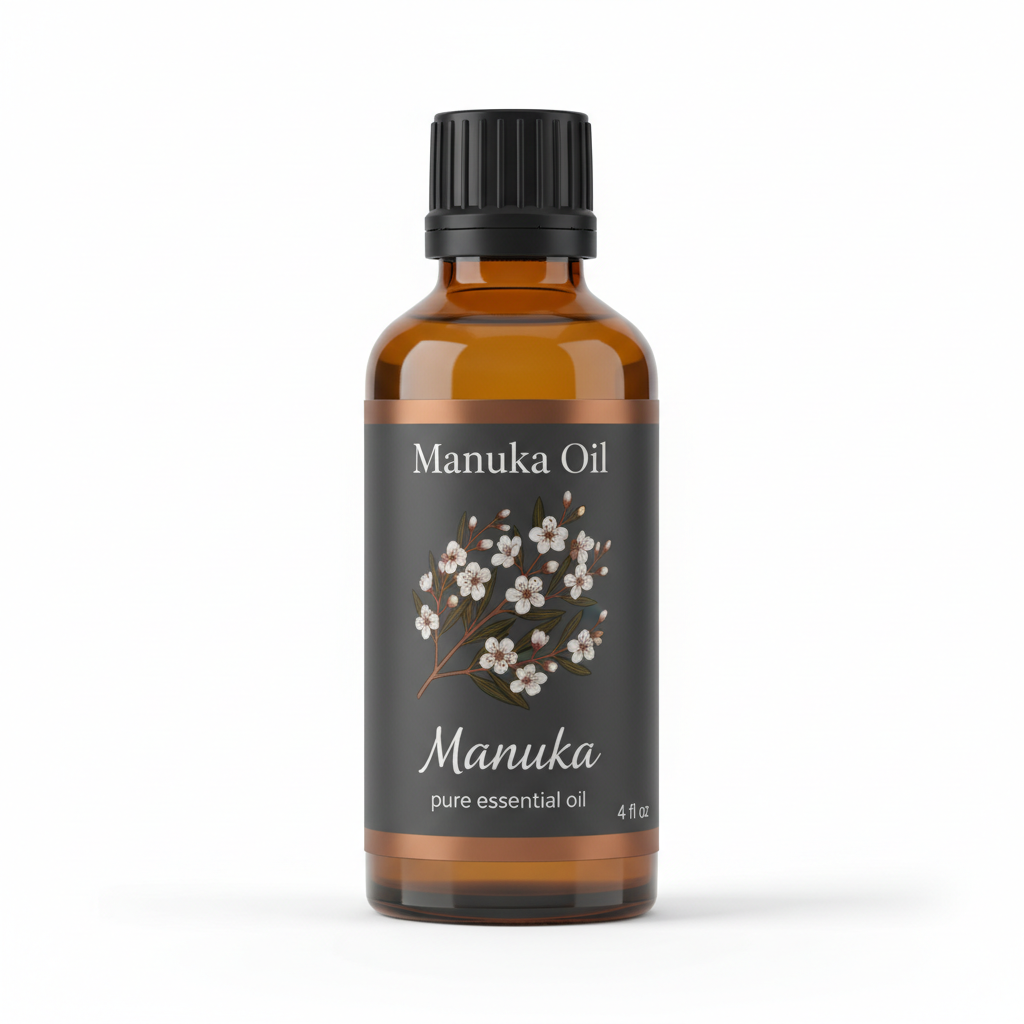
Manuka Oil Around Cats and Dogs: What Vets Say
Cats, dogs and birds react to essential oils differently from us. Here is what vets and the ASPCA say, and how to keep any bottle well out of their reach.

Manuka Oil Side Effects: Reactions to Watch For
A rash on day three is not a sting in minutes. Learn the two kinds of skin reaction to oils, why freshness matters and what to do if one happens.

Manuka Oil and Acne: What Lab Numbers Cannot Tell You
Manuka oil shows up in lab studies on acne-related bacteria, yet breakouts happen in skin, not a dish. We explain the gap and who to ask first.

Manuka Oil for Eczema: What Two Trials Actually Found
Two New Zealand trials tested oil-based creams on eczema, one kanuka and one manuka. Here is what each found and why a clinician comes first.

Manuka Oil on Sensitive Skin: Irritation or Allergy?
Stinging, irritation or allergy? Learn which kind of sensitive you are, why scented products draw attention, and how to patch test a diluted blend.
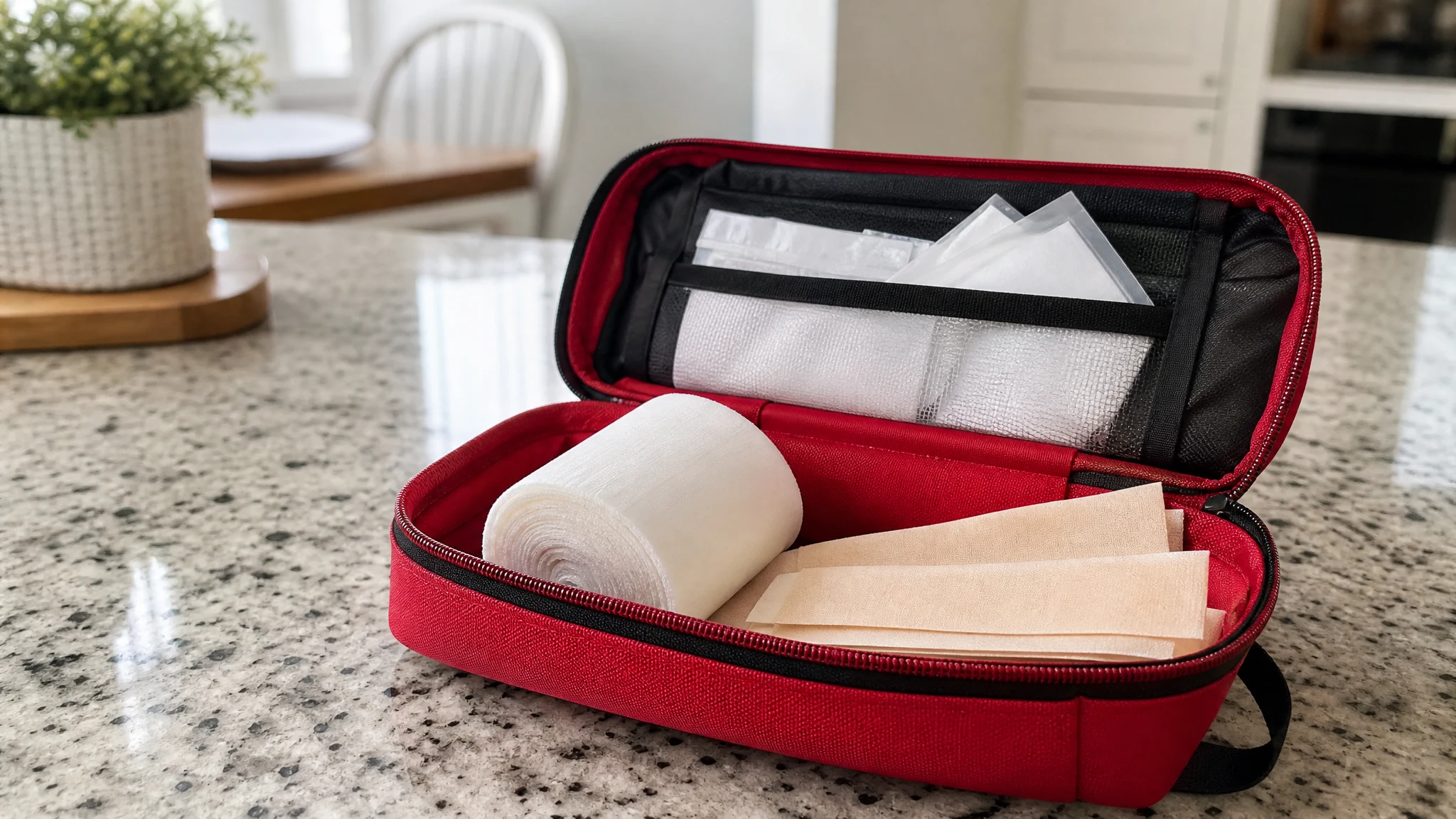
Manuka Oil on Cuts? Start With Proper First Aid
For a minor cut it is water, pressure and a clean cover. We walk through the NHS steps, the tetanus check, and where manuka oil does not belong.

Manuka Oil for Cold Sores? What Lab Studies Show
Lab dishes show manuka oil acting on herpes simplex virus, but a cold sore lives in skin. We explain the gap and who to ask when one appears.

Manuka Oil for Toenail Fungus? Why a Diagnosis Comes First
Nails grow slowly and many things mimic fungus. What the NHS, CDC and Cochrane say about toenails, and why a diagnosis comes before any oil.

Manuka Oil for Athlete's Foot? What the Evidence Shows
Athlete's foot thrives in warm, damp shoes. Here is what health services advise, what tea tree trials showed, and where a scent oil fits in.

Manuka Oil for Ringworm? Location Decides the Plan
Where is the rash? The CDC says that decides treatment. Ringworm, why steroid creams are out, and what lab studies of oils can and cannot tell you.

Manuka Oil for Dandruff? What Dermatologists Advise
A flaky scalp has a well-trodden route to relief. We walk through the shampoos dermatologists name, one tea tree trial, and manuka oil's place.
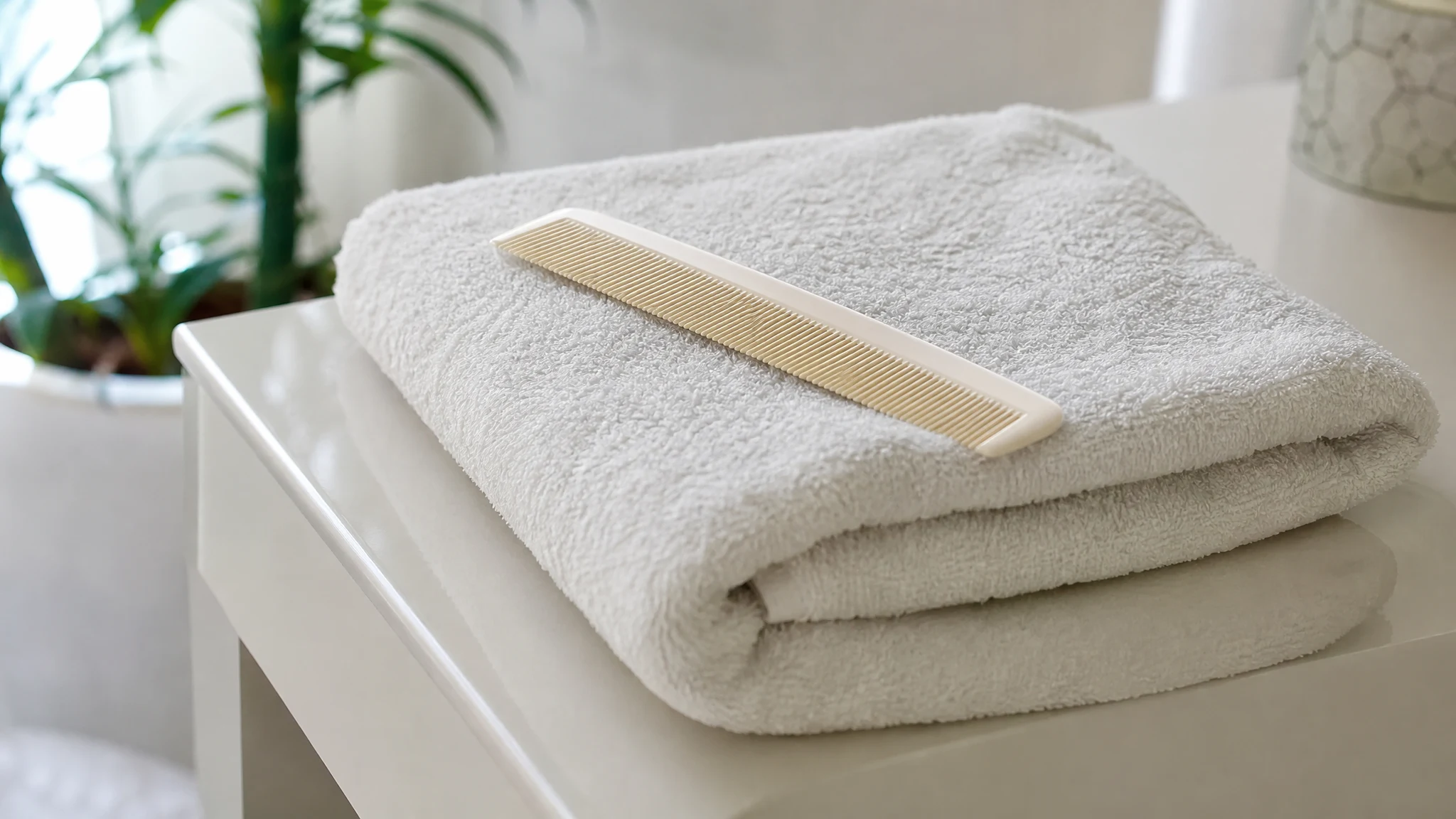
Head Lice and Manuka Oil: A Comb, a Plan, a Pharmacist
Head lice have a clear routine: a good comb, a pharmacist and patience. We cover the NHS and CDC advice and where manuka oil does and does not fit.
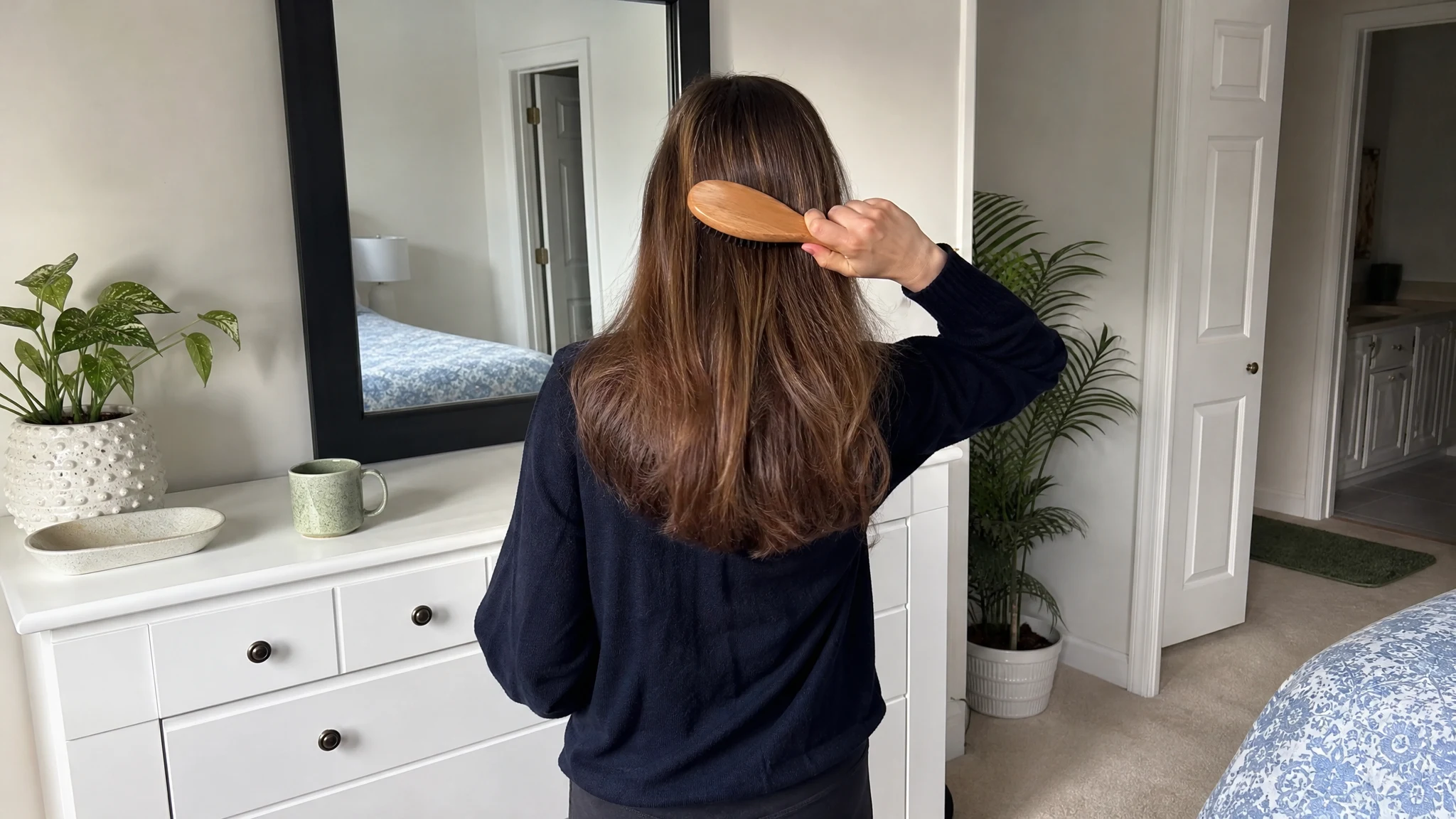
Manuka Oil for Hair: What Studies Do and Do Not Show
Plenty of blogs link manuka oil and hair, but the research is thin. We cover the nearby studies, the dermatologist-first advice, and manuka as scent.

Manuka Oil Research: What the Studies Do and Don't Show
The weedkiller myth, the East Cape chemistry and the lab-dish studies: how to read manuka research and know what it actually tested, in plain English.

Manuka Oil MIC Numbers: How to Read the Studies
One drop in a cup of liquid sounds tiny, but lab MIC numbers say little about skin. Learn the five questions that decide what a manuka study really shows.

What Does Manuka Oil Smell Like? A Honeyed, Low Note
Warm, honeyed, a little earthy and slow to fade. Why manuka smells deeper than tea tree, and how to get to know it and find a good blending partner.

Manuka Oil Triketones: How to Read the Number on a Label
Triketone percentages vary from under 1% to over 20% in the literature. We explain what is being counted and how to read a number on a manuka oil label.

Manuka History: From Māori Plant Use to Global Name
Manuka was a roof, a broom, a comb and a scented rub long before anyone distilled it. Here is its story, from Māori records to modern chemistry.