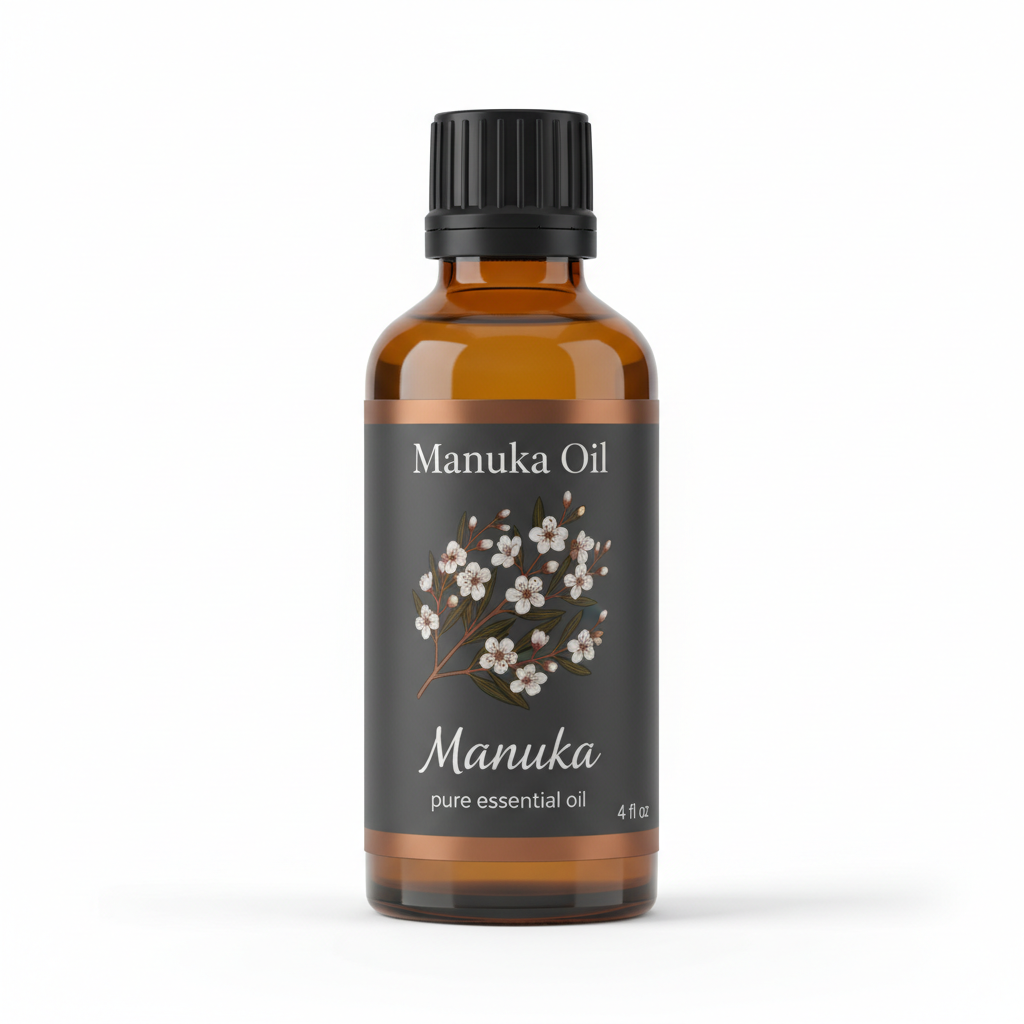
Manuka Oil Around Cats and Dogs: What Vets Say
Cats, dogs and birds react to essential oils differently from us. Here is what vets and the ASPCA say, and how to keep any bottle well out of their reach.
Does Manuka Oil Go Bad? Signs and Shelf Life
Oils do not spoil like milk, but they do change. Learn the smell and texture signs of ageing, and how to decide what to do with an older bottle of manuka.

Does Manuka Oil Stain? Getting It Out of Fabric
A spilled drop of manuka oil acts like any oil on cloth. Work in this order: blot, lift, wash, check before the dryer, and know when to call a cleaner.
Can You Use Manuka Oil Undiluted? Why We Dilute It
One drop sounds harmless, but neat manuka oil is 100% oil. Here is the dilution maths and why we suggest starting at 0.5% in a carrier.

Manuka Oil Side Effects: Reactions to Watch For
A rash on day three is not a sting in minutes. Learn the two kinds of skin reaction to oils, why freshness matters and what to do if one happens.

Using Manuka Oil While Pregnant: What to Ask First
Expecting and curious about manuka oil? Here is what the available guidance says, where it is silent, and who to ask before you use any essential oil.

Can You Swallow Manuka Oil? Why You Should Not
Manuka oil is for skin and aroma, never for swallowing. See why the question arises, what poison centres say and what to do after a swallow.
Carrier Oils for Manuka Oil: How to Choose
The carrier is 98% or more of your blend. Choose it by batch size, allergies and how fast you will use it, with drop counts for 1, 2 and 4 oz.

Manuka Oil and Acne: What Lab Numbers Cannot Tell You
Manuka oil shows up in lab studies on acne-related bacteria, yet breakouts happen in skin, not a dish. We explain the gap and who to ask first.

Manuka Oil for Eczema: What Two Trials Actually Found
Two New Zealand trials tested oil-based creams on eczema, one kanuka and one manuka. Here is what each found and why a clinician comes first.

Manuka Oil on Sensitive Skin: Irritation or Allergy?
Stinging, irritation or allergy? Learn which kind of sensitive you are, why scented products draw attention, and how to patch test a diluted blend.
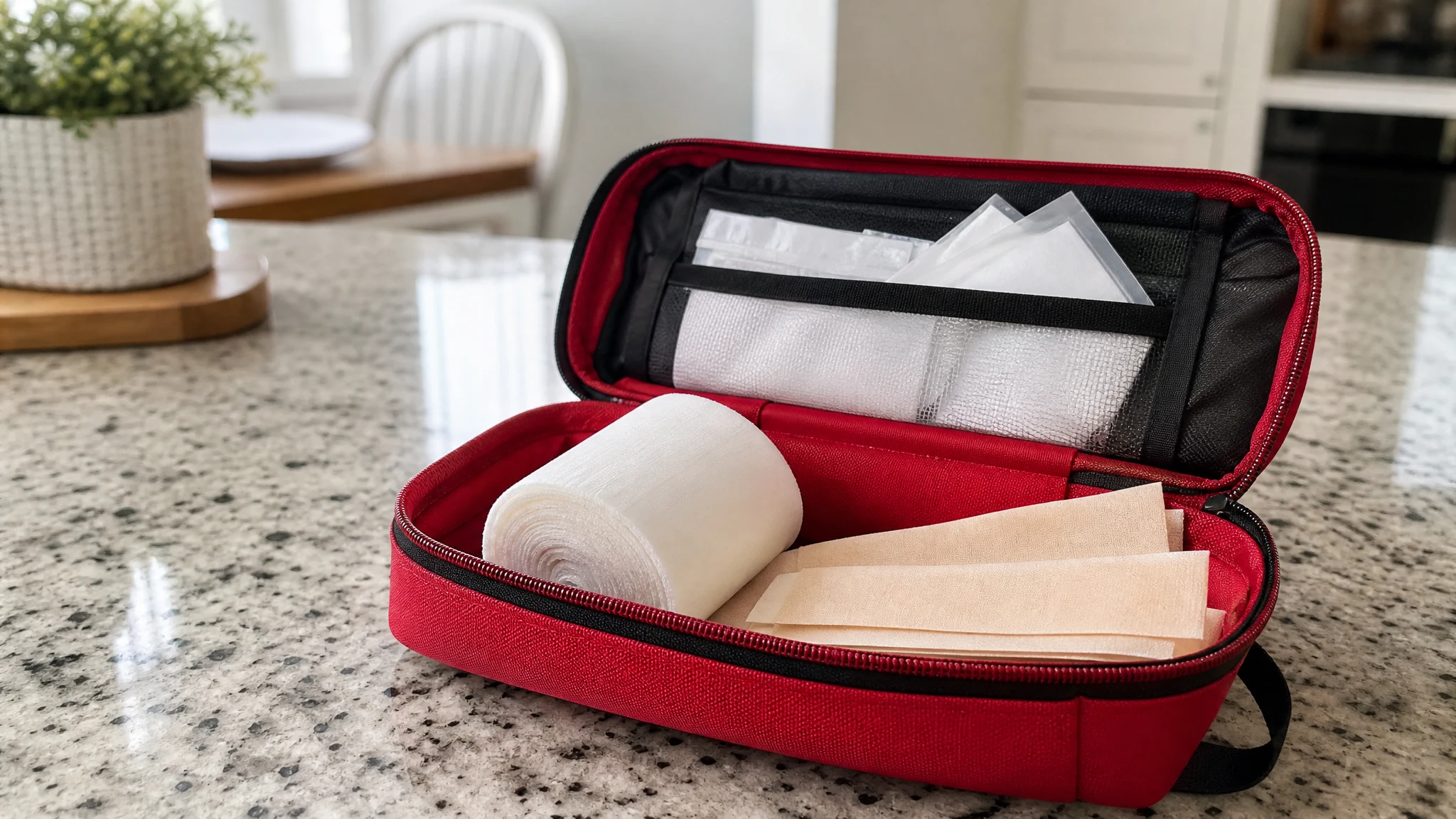
Manuka Oil on Cuts? Start With Proper First Aid
For a minor cut it is water, pressure and a clean cover. We walk through the NHS steps, the tetanus check, and where manuka oil does not belong.

Manuka Oil for Cold Sores? What Lab Studies Show
Lab dishes show manuka oil acting on herpes simplex virus, but a cold sore lives in skin. We explain the gap and who to ask when one appears.

Manuka Oil and Body Odor: Aroma vs Sweat Control
Underarm odour is bacteria meeting sweat, and a fragrance works on the nose, not the chemistry. Here is where manuka oil fits, with a 0.5% drop count.

Manuka Oil for Feet and Nails: What to Know First
Itch between the toes, a thick nail and dry heels need different next steps. Sort what you see first, then find where a scented oil fits.

Manuka Oil for Toenail Fungus? Why a Diagnosis Comes First
Nails grow slowly and many things mimic fungus. What the NHS, CDC and Cochrane say about toenails, and why a diagnosis comes before any oil.

Manuka Oil for Athlete's Foot? What the Evidence Shows
Athlete's foot thrives in warm, damp shoes. Here is what health services advise, what tea tree trials showed, and where a scent oil fits in.

Manuka Oil for Smelly Shoes: Fix the Basics First
Shoe smell is bacteria meeting moisture. Start with dry feet and rotated pairs, then add a little manuka aroma to a dry shoe. Drop counts included.
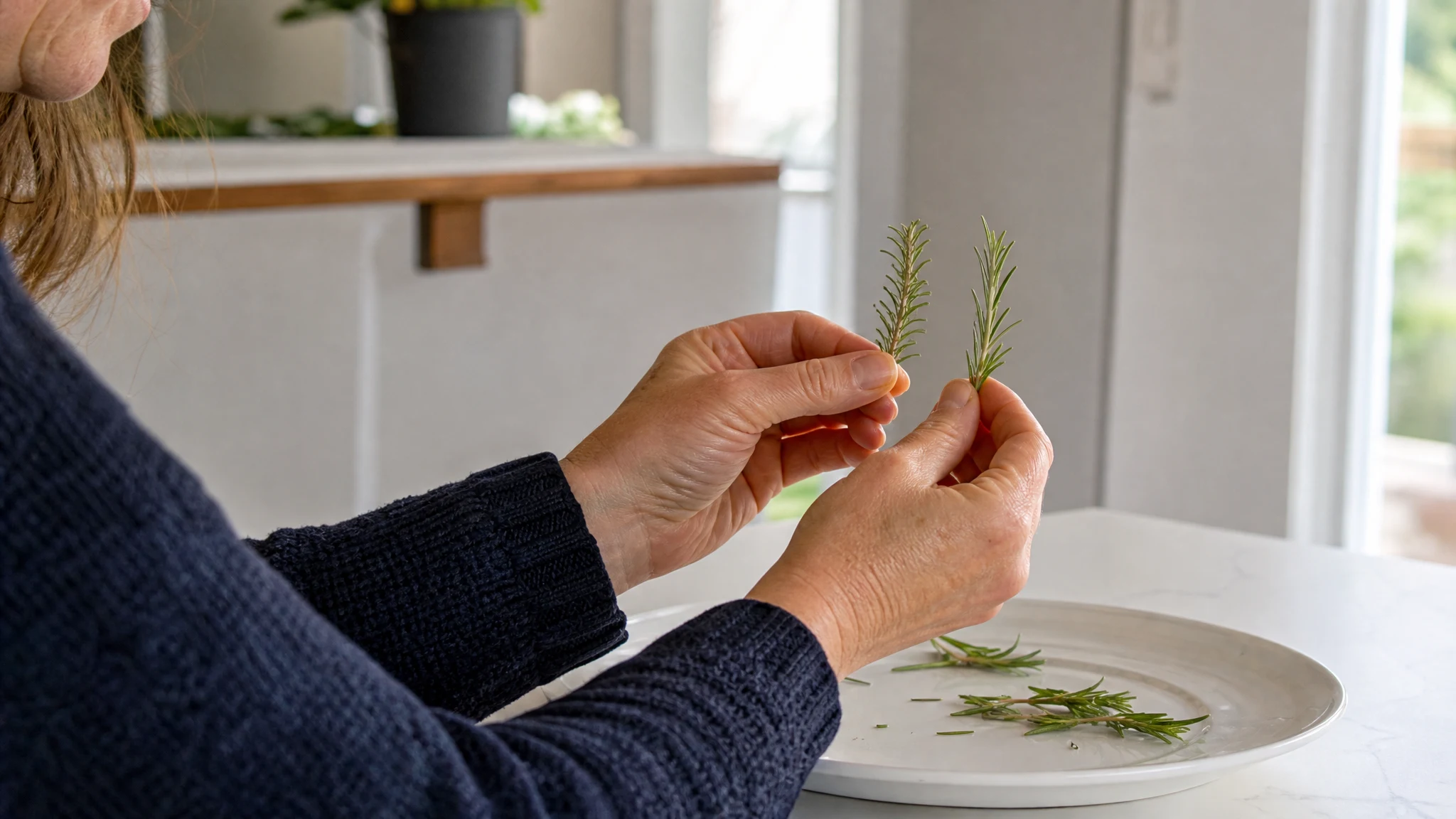
Manuka or Tea Tree Oil for Nails: What Studies Cover
Tea tree has two small human nail trials and manuka has lab work only. We lay out what each study did and why the nail itself comes first.

Manuka Oil for Ringworm? Location Decides the Plan
Where is the rash? The CDC says that decides treatment. Ringworm, why steroid creams are out, and what lab studies of oils can and cannot tell you.

Manuka Oil for Dandruff? What Dermatologists Advise
A flaky scalp has a well-trodden route to relief. We walk through the shampoos dermatologists name, one tea tree trial, and manuka oil's place.
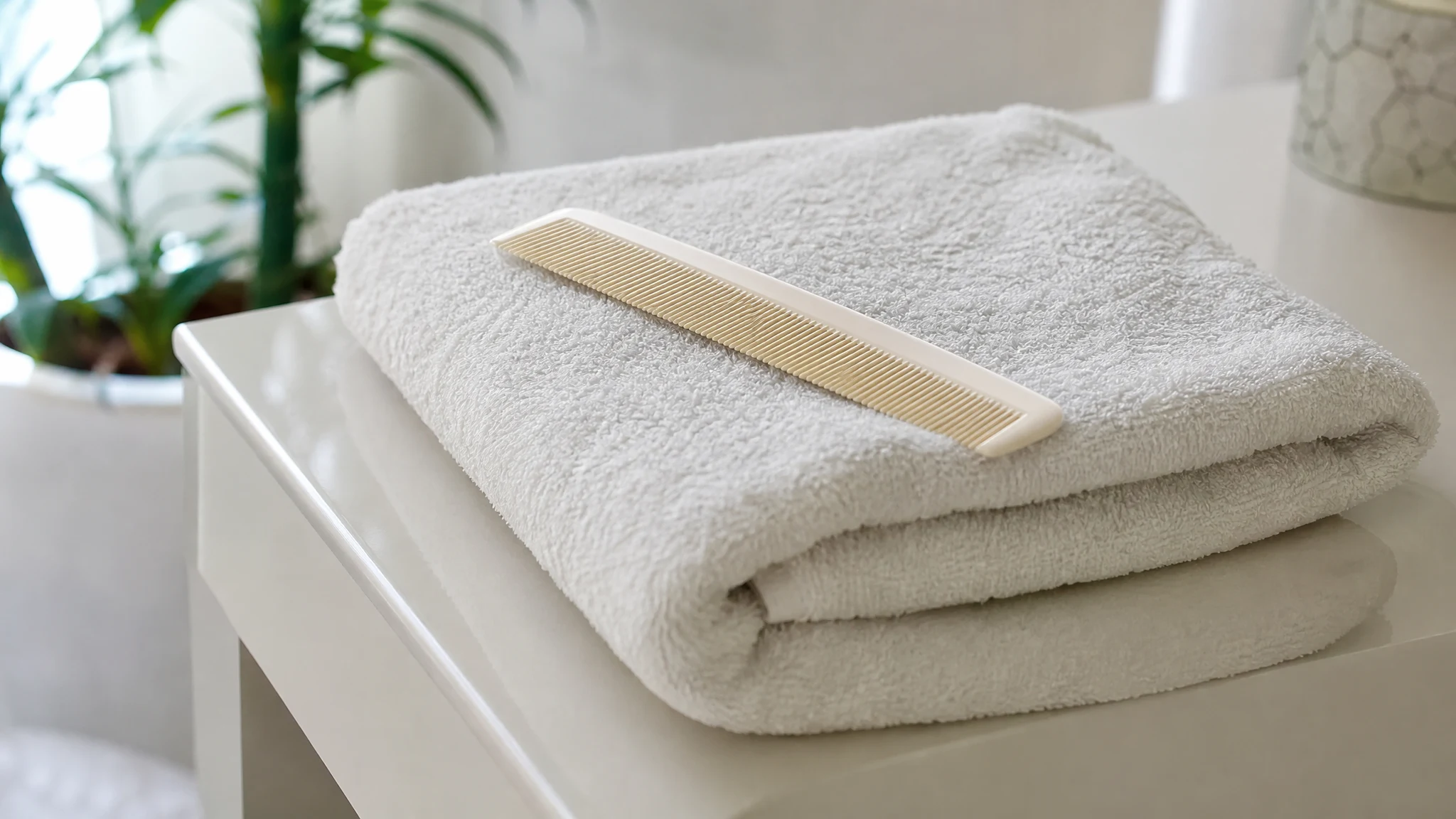
Head Lice and Manuka Oil: A Comb, a Plan, a Pharmacist
Head lice have a clear routine: a good comb, a pharmacist and patience. We cover the NHS and CDC advice and where manuka oil does and does not fit.

Scalp Bumps: Where Manuka Oil Fits and Where It Does Not
Bumps on the scalp have several possible causes, each with different care. We sort them using DermNet NZ and explain where a scented oil fits in.
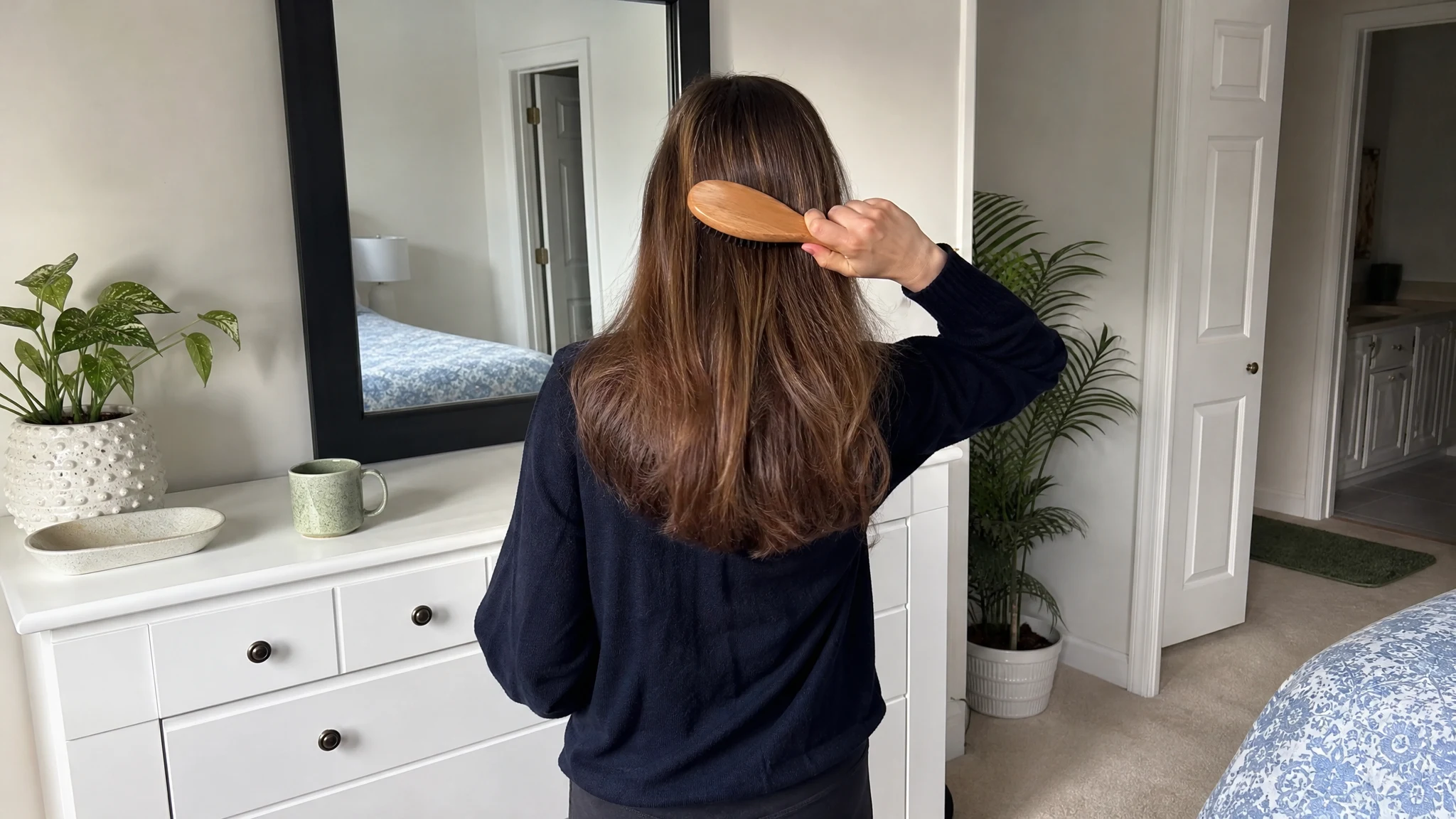
Manuka Oil for Hair: What Studies Do and Do Not Show
Plenty of blogs link manuka oil and hair, but the research is thin. We cover the nearby studies, the dermatologist-first advice, and manuka as scent.
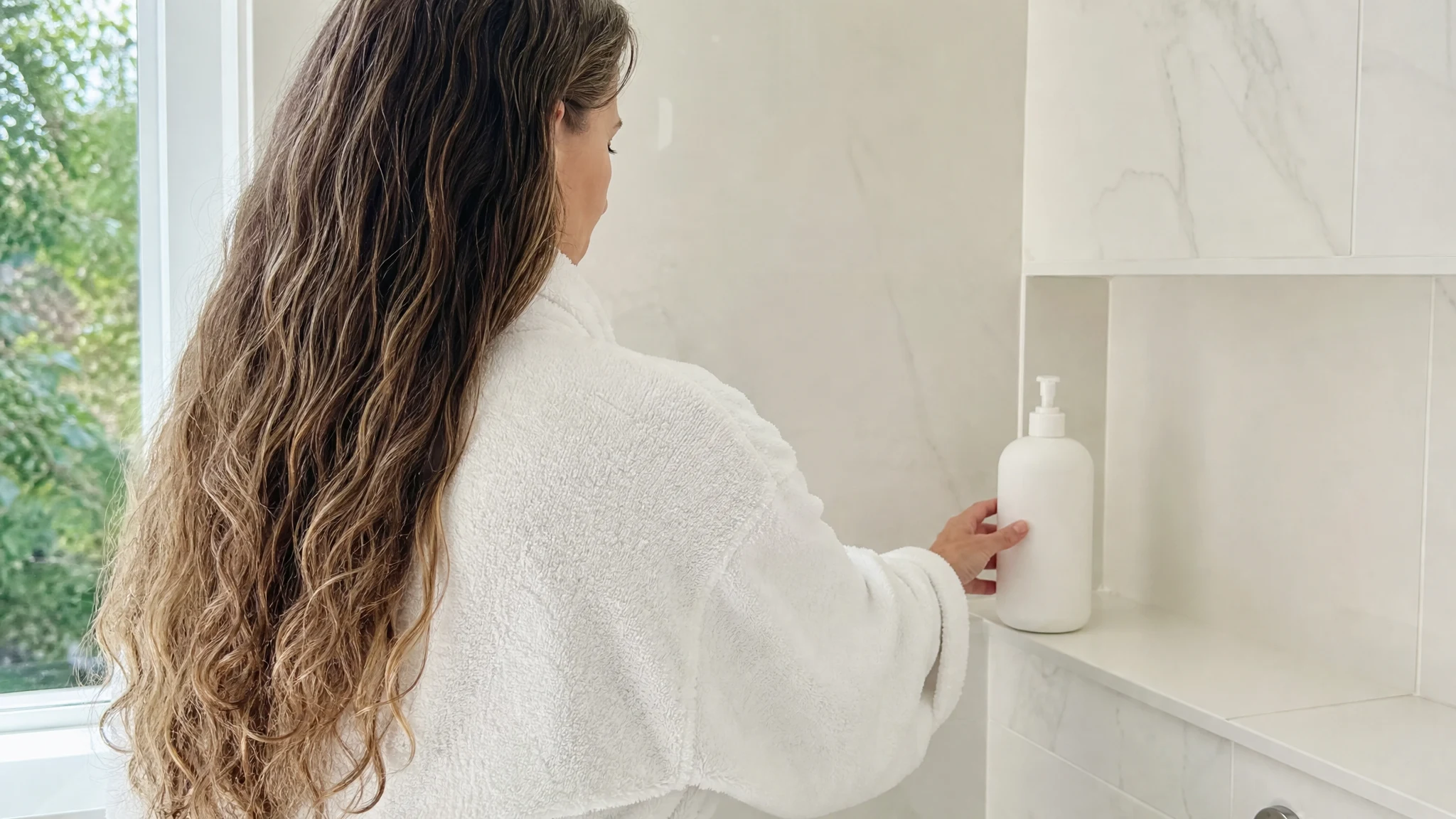
How Many Drops of Manuka Oil in Shampoo?
About 28 drops of manuka oil turns a 250 ml shampoo into a 0.5% blend. Here is the arithmetic, a small test batch method and a patch test routine.

Manuka Oil COA: What Each Line Tells You
Our certificate lists five test lines. See what each one tells you, what it leaves out, and how to ask us in writing for more detail on a lot.
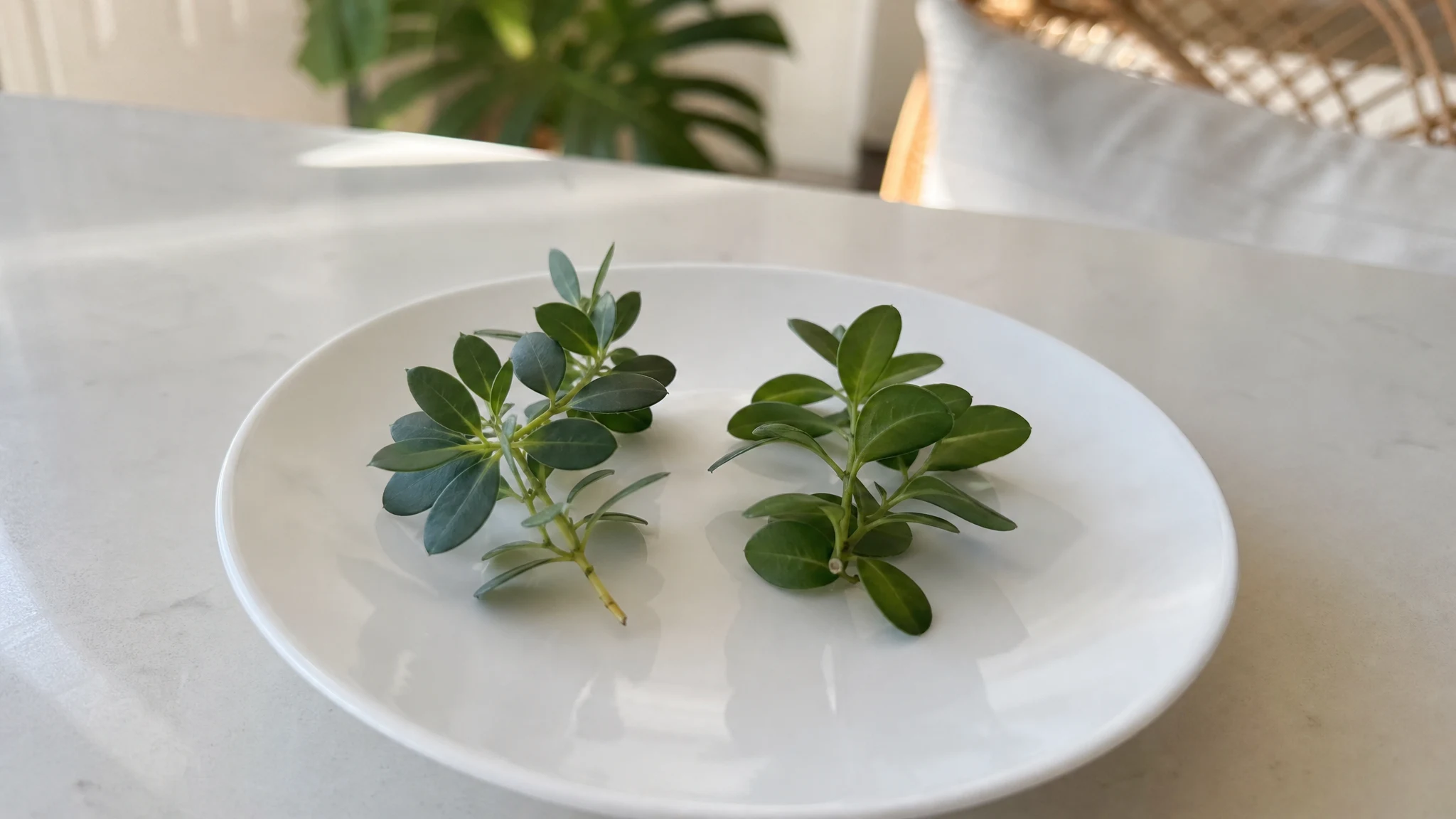
Manuka vs Kanuka Oil: How the Two Differ
Manuka is heavy, honeyed and sesquiterpene-rich; kanuka is pinene-led and fresh. How the two oils differ and why their plant names keep shifting.
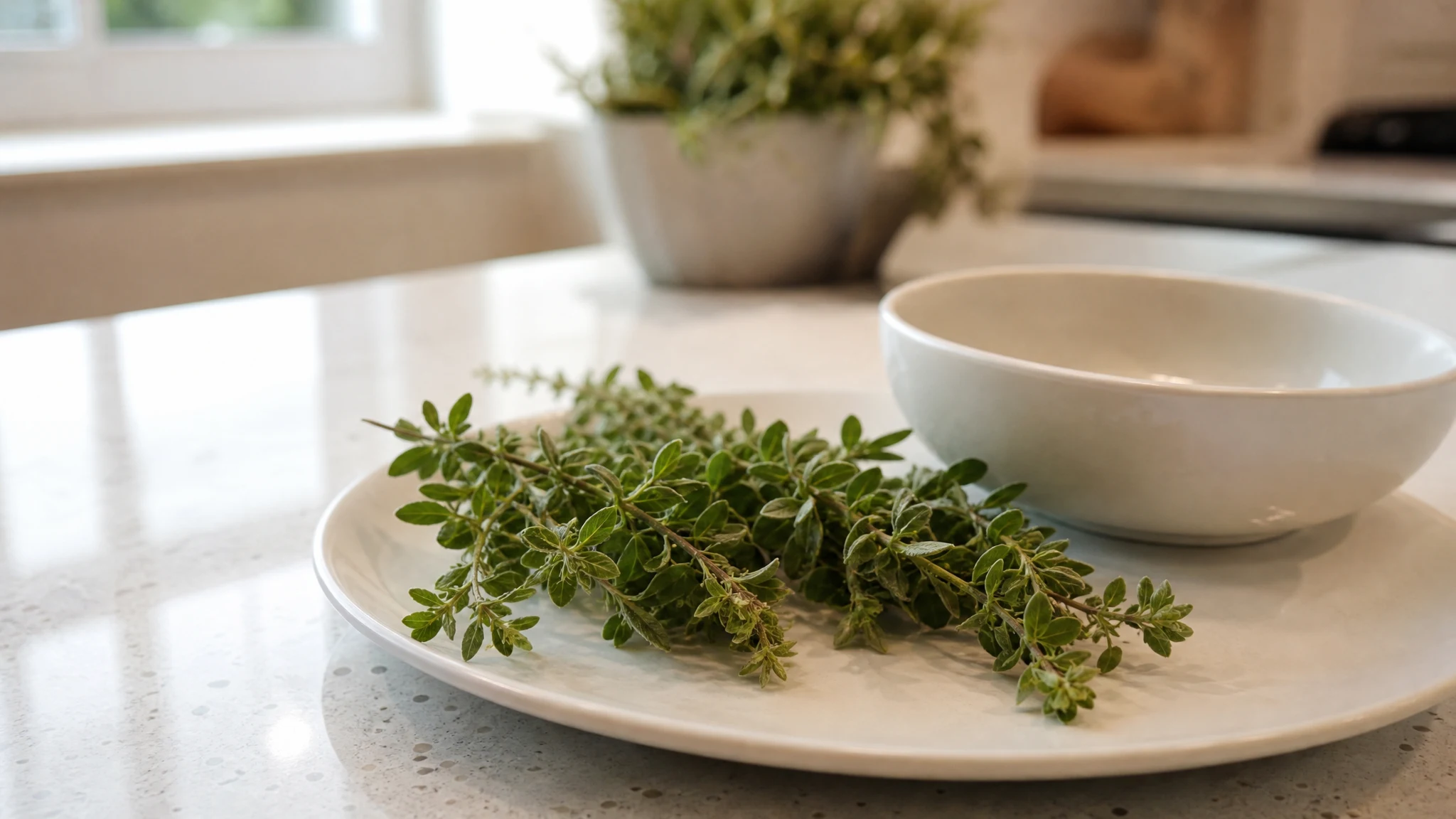
Manuka vs Oregano Oil: Which Suits Which Job?
Oregano tops lab potency rankings, but that is not how to choose an oil for skin. Manuka and oregano compared by chemistry, MIC numbers and irritation.
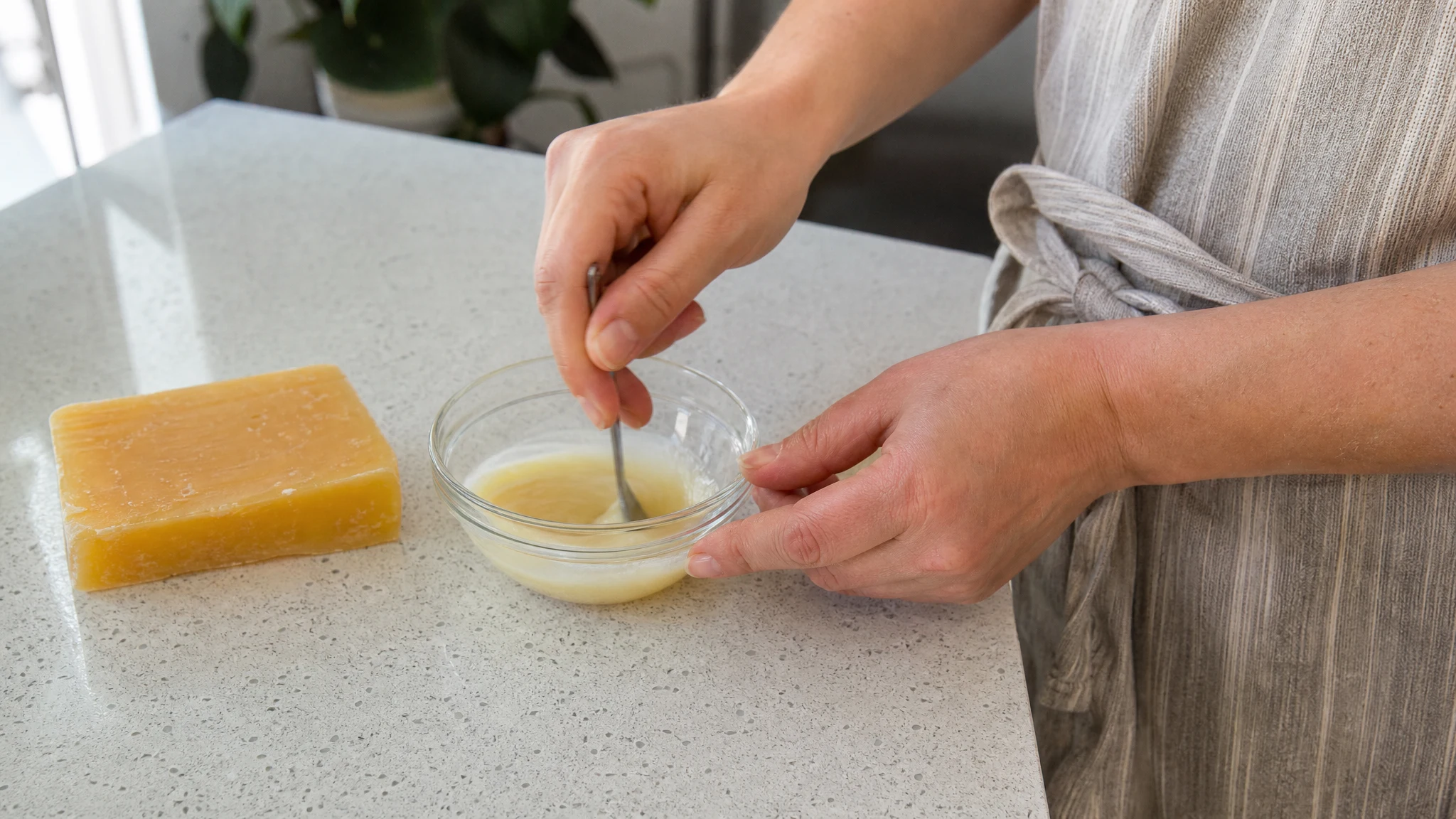
Manuka Balm Recipe: A 30 g Tin Made by Weight
About three drops of manuka scent a 30 g tin of balm. We work out the wax, butter, oil and antioxidant by weight so a small batch comes out right.

Manuka Oil Research: What the Studies Do and Don't Show
The weedkiller myth, the East Cape chemistry and the lab-dish studies: how to read manuka research and know what it actually tested, in plain English.

Manuka Oil MIC Numbers: How to Read the Studies
One drop in a cup of liquid sounds tiny, but lab MIC numbers say little about skin. Learn the five questions that decide what a manuka study really shows.
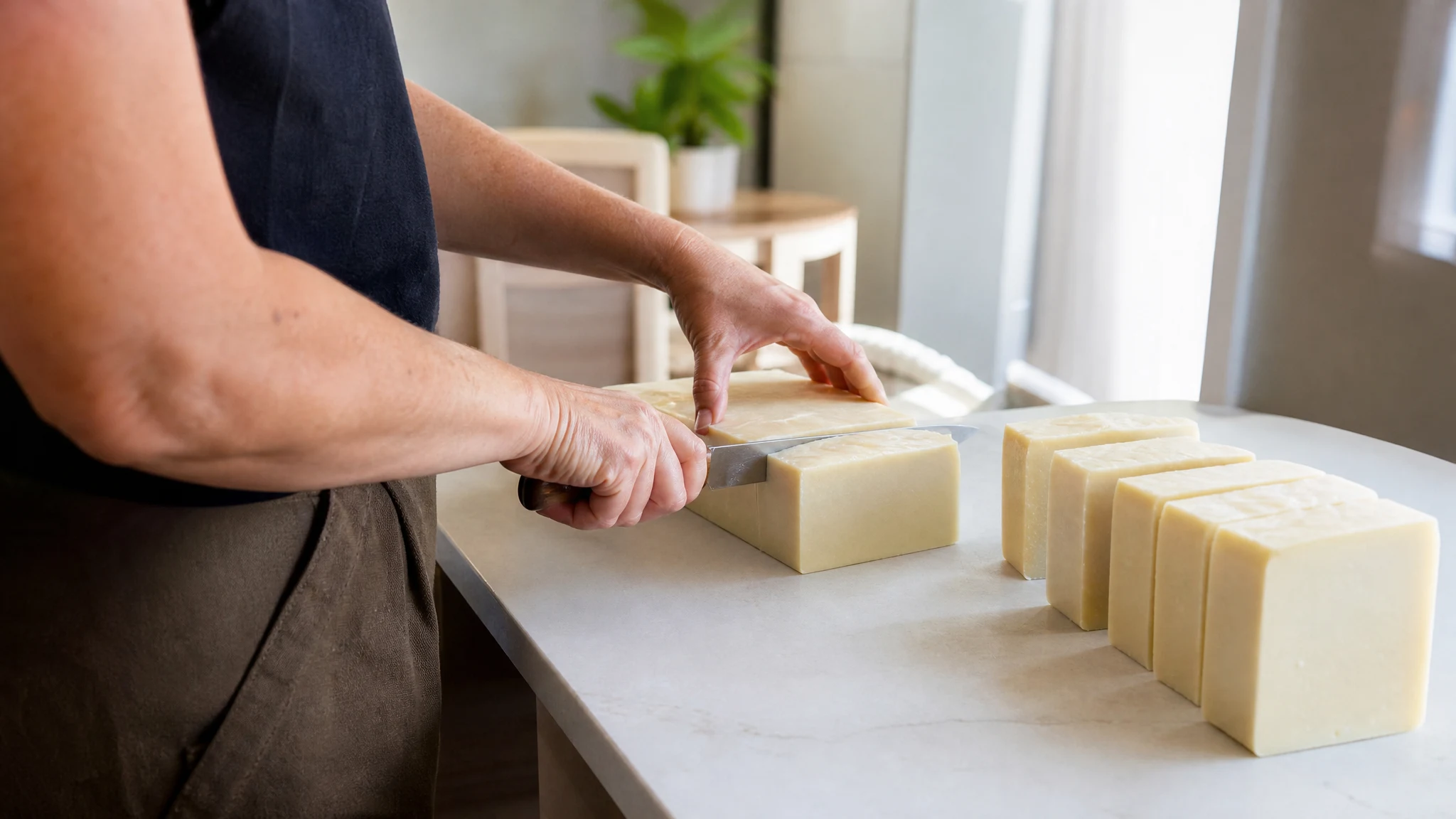
Manuka Oil in Soap: Dosing Math and a Test Bar
Will manuka oil keep its scent through lye and weeks of drying? We share the research, dosing maths for a 500 g recipe and a simple test bar plan.

What Is Manuka Oil? Plant, Scent and Safe Use
Manuka oil is not honey, not tea tree and not kanuka. Meet the plant, find out why two bottles can differ, and how our honeyed, earthy oil smells.

How to Dilute Manuka Oil: Drops, Ratios, Patch Tests
Manuka oil is a concentrate, so the real skill is counting: how many drops per ounce, how long to patch test, and when to stop. Here is the simple math.
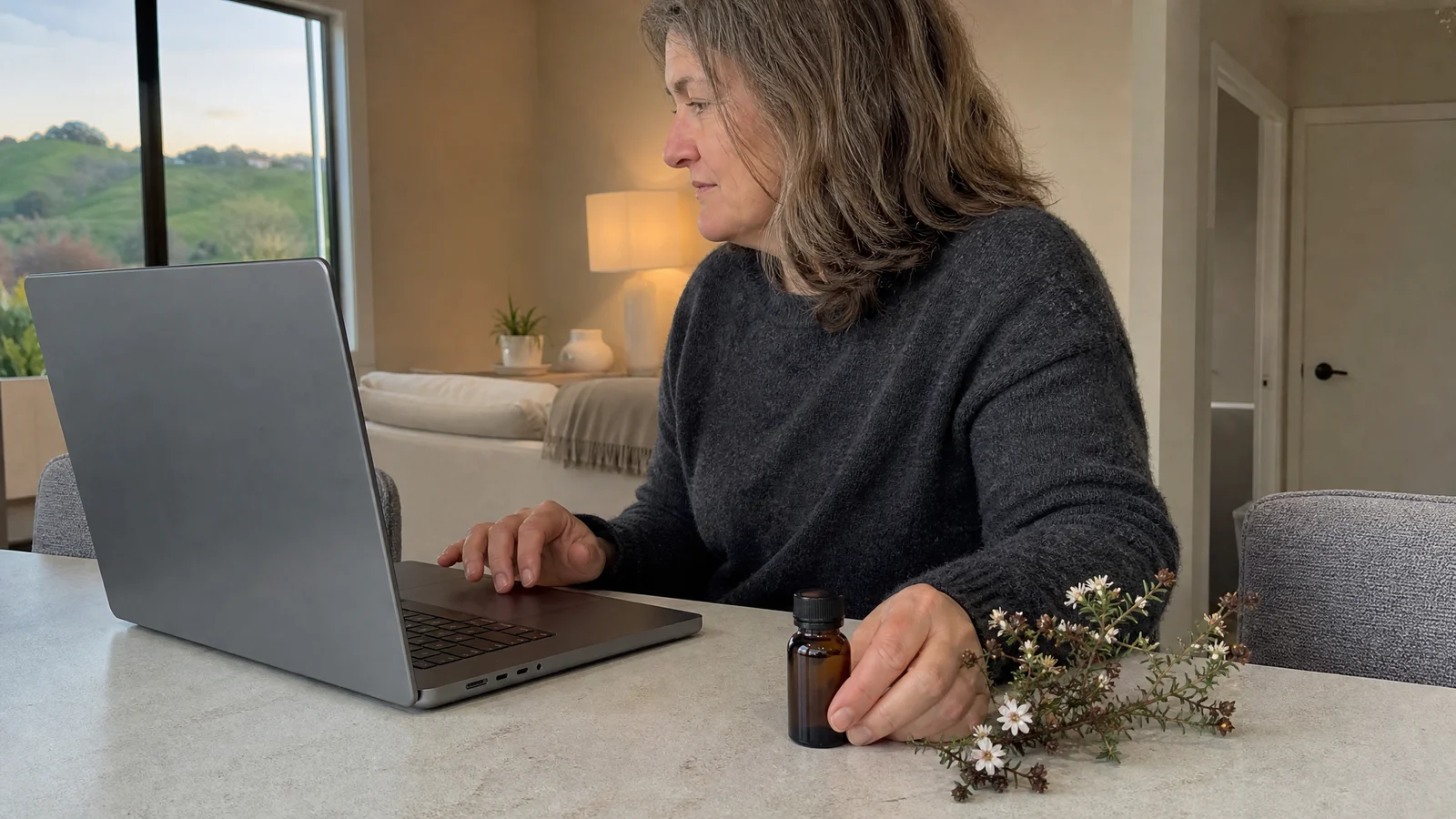
Buying Manuka Oil: 5 Questions to Ask First
Purpose, plant, paperwork, quantity and a fair comparison: five questions that make buying manuka oil simpler, plus what to do when the bottle arrives.

What Is Manuka Oil Used For? Scent, Craft and Skin Care
From diffuser blends to diluted body oils, soap and candle work: the uses we offer manuka oil for, with dilution maths and care notes for each.

What Does Manuka Oil Smell Like? A Honeyed, Low Note
Warm, honeyed, a little earthy and slow to fade. Why manuka smells deeper than tea tree, and how to get to know it and find a good blending partner.

How Is Manuka Oil Made? Steam, Yields and Bottling
Steam carries the aroma out of leafy manuka branches as oil. See what distillation takes, what it leaves behind and why a bottle needs so much plant.
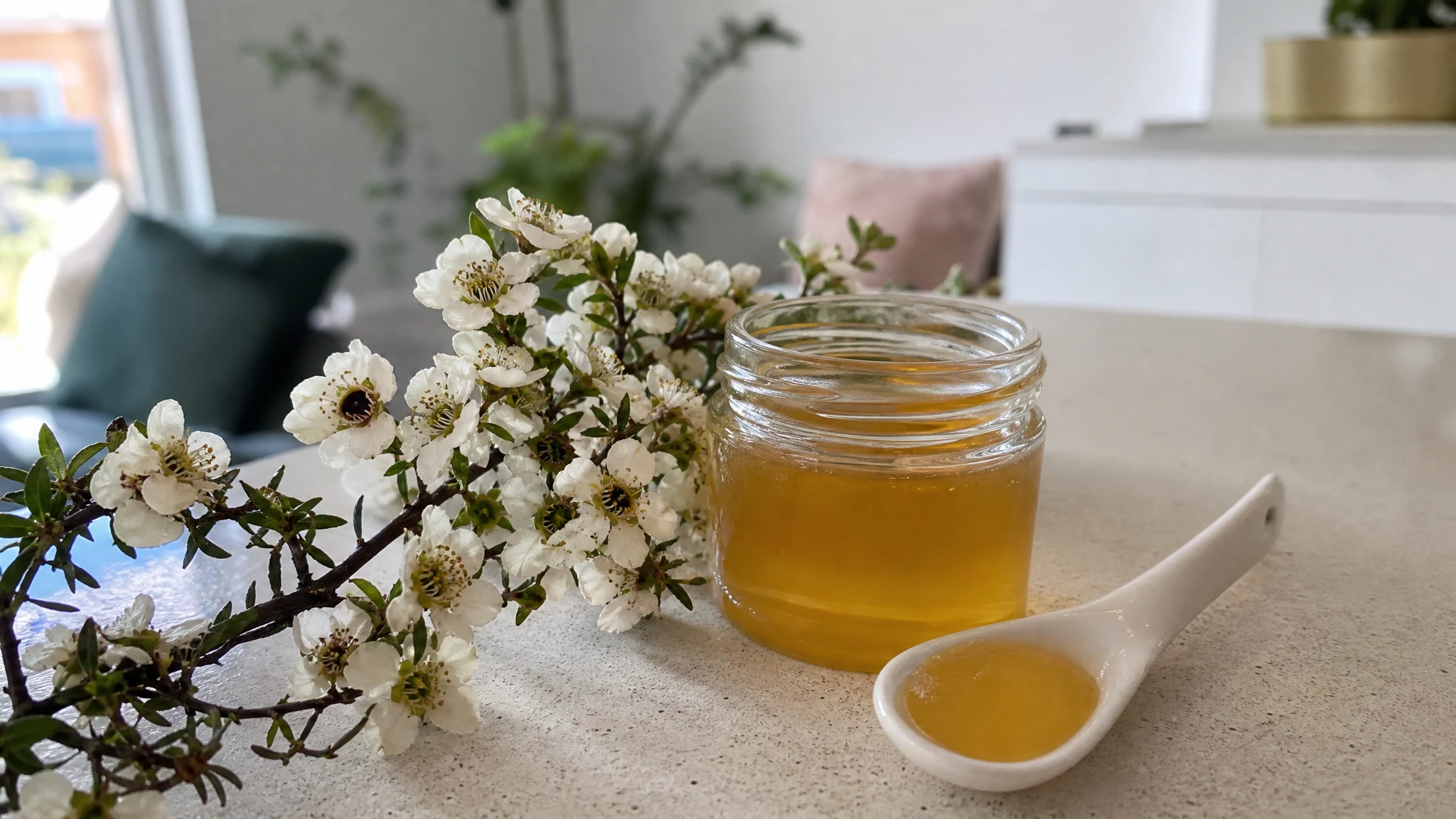
Manuka Oil vs Manuka Honey: Same Shrub, Different Products
Same shrub, very different products. Honey comes from nectar and bees, oil from leaves and steam. See why honey research does not apply to the oil.
Manuka Oil FAQ: Answers to the Questions We Expect
Is manuka oil the same as the honey or tea tree? How do you dilute it, store it, read its certificate? The questions people ask first, answered plainly.

Manuka Oil Triketones: How to Read the Number on a Label
Triketone percentages vary from under 1% to over 20% in the literature. We explain what is being counted and how to read a number on a manuka oil label.

How to Store Manuka Oil So It Stays Fresh
Air, heat and light age an oil. A few simple habits, from capping to decanting, keep your bottle pleasant for the 2 to 3 years we expect.

Manuka History: From Māori Plant Use to Global Name
Manuka was a roof, a broom, a comb and a scented rub long before anyone distilled it. Here is its story, from Māori records to modern chemistry.
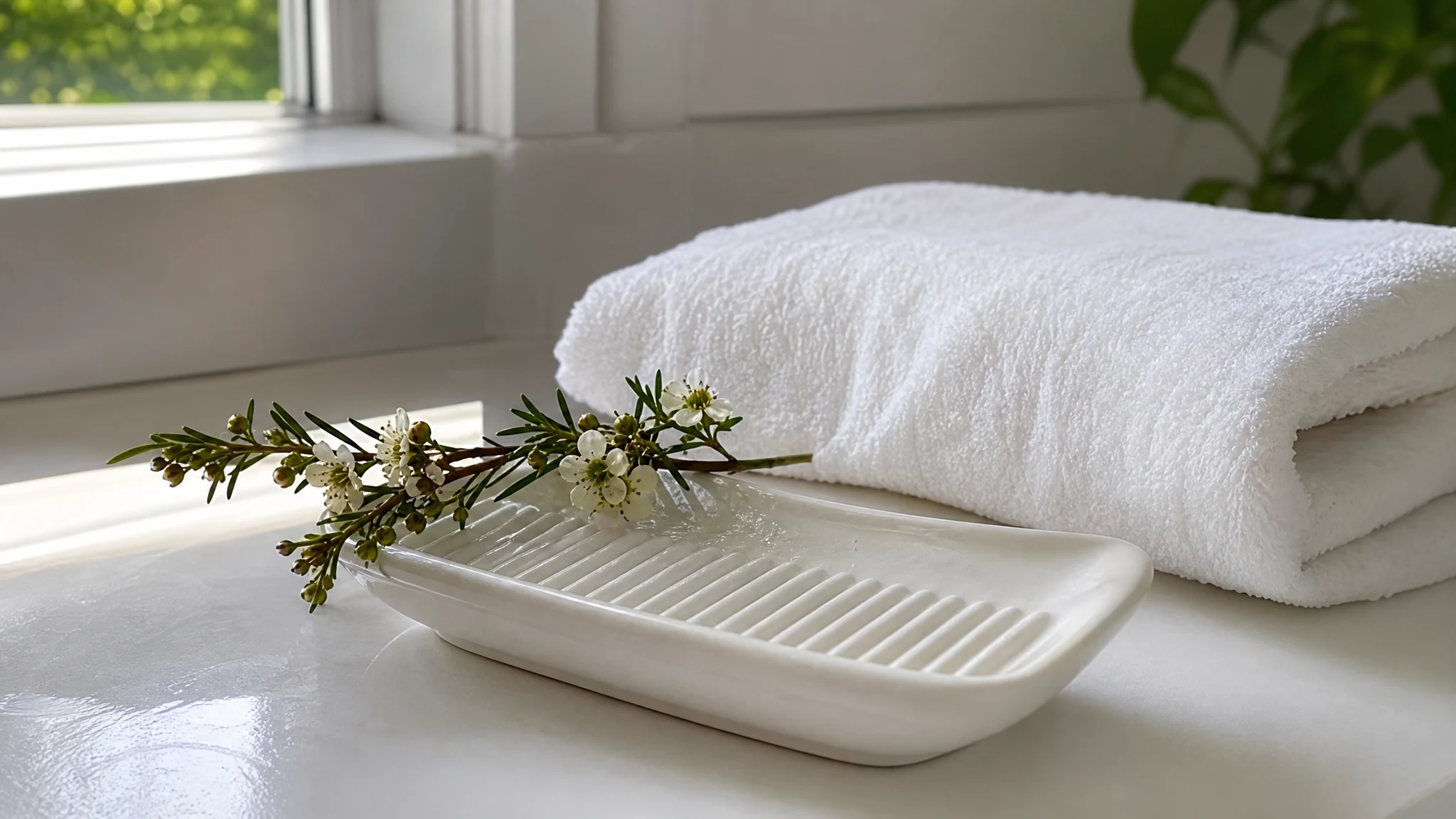
Manuka Oil Scalp Patch Test: A Seven-Day Plan
Scalp skin can take days to react, so we map out a patch test week, the drop counts for common jar sizes and when to stop and call a dermatologist.
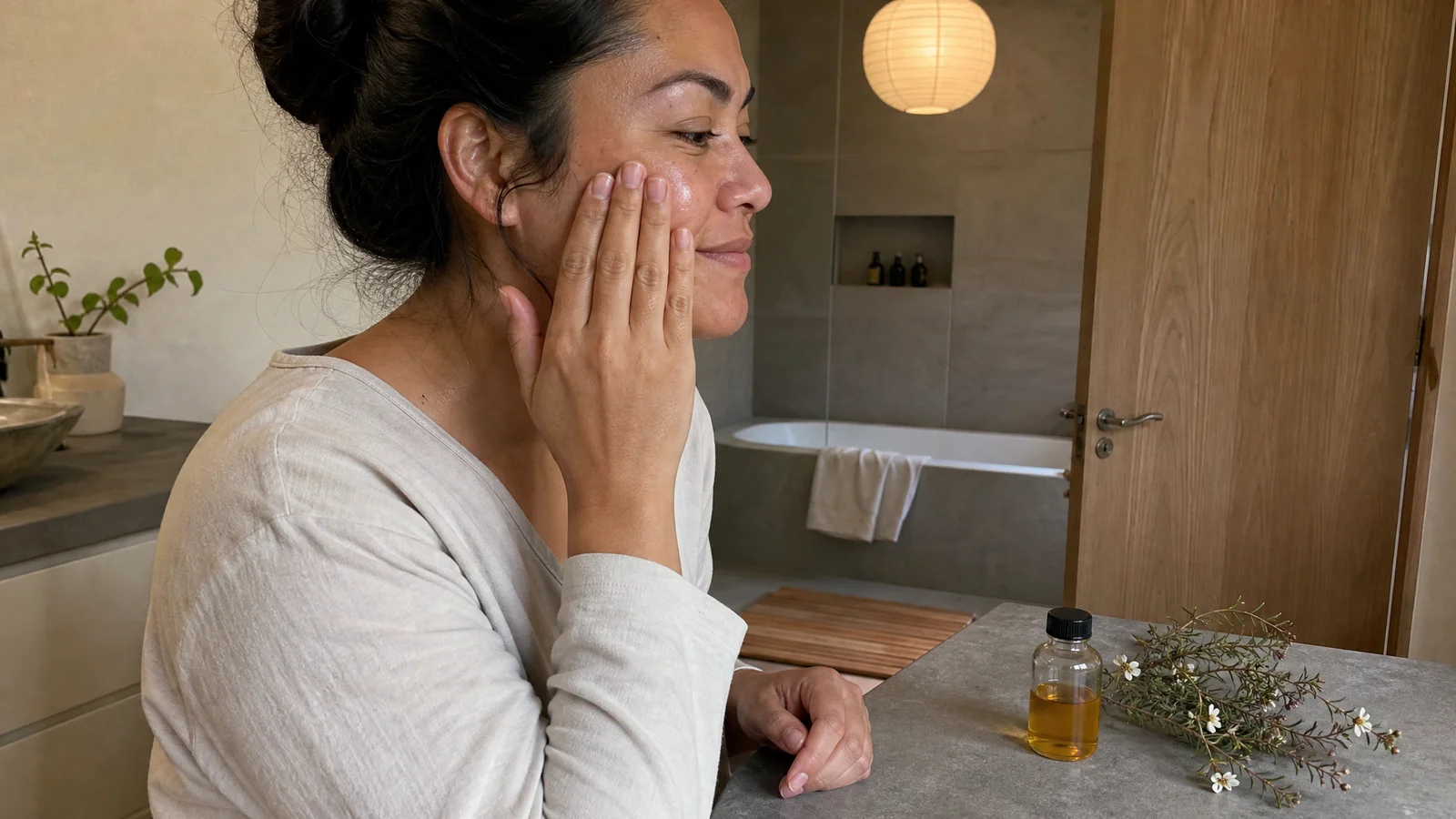
Manuka Face Oil: A Gentle Evening Blend to Mix
Three drops of manuka in 30 ml of carrier oil is a gentle start. Learn how to mix it, why the carrier matters most and how to patch test first.
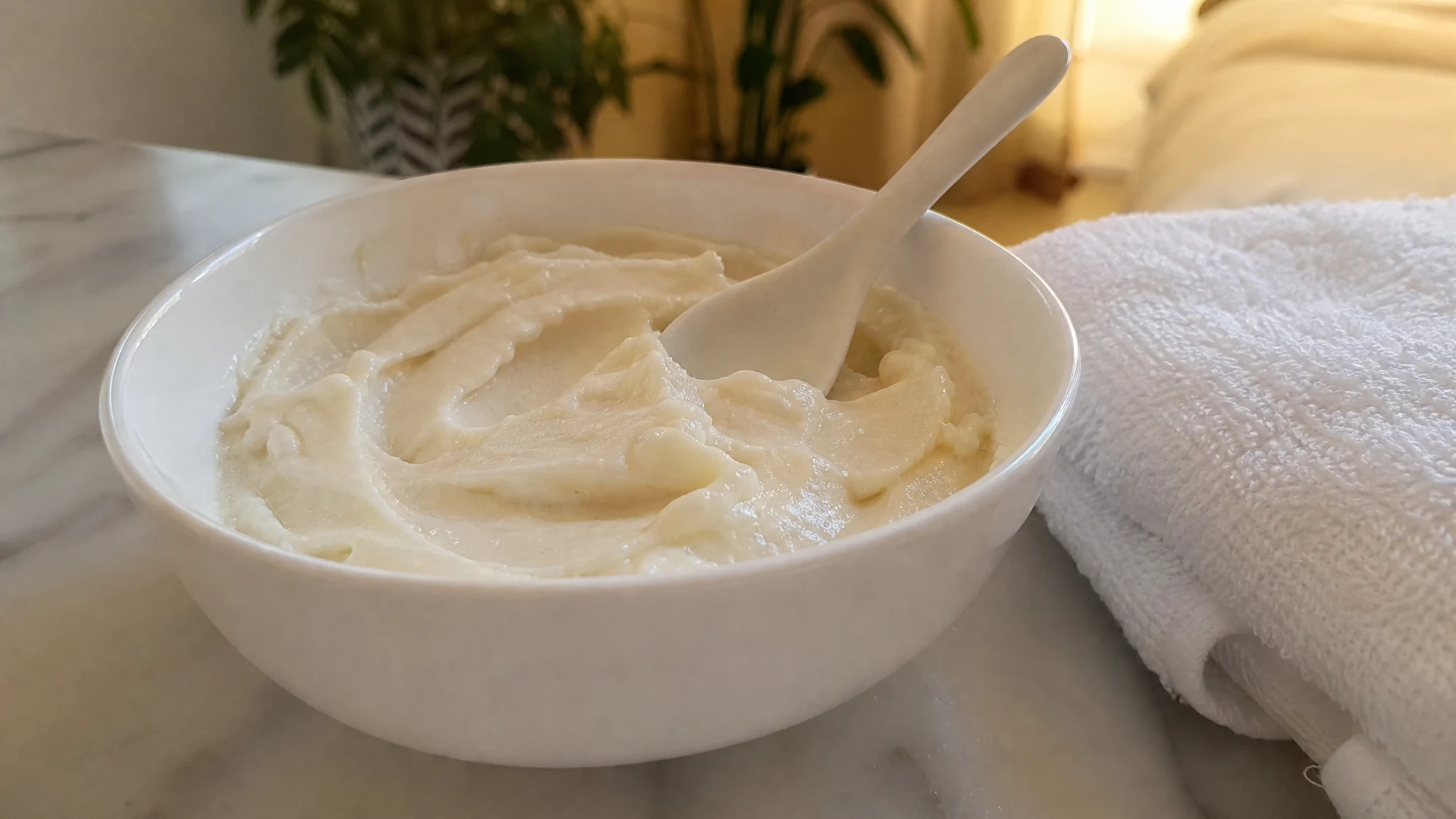
Manuka Shea Butter Hair Mask: A 60 g Recipe by Weight
A soft shea butter mask with a few drops of honeyed manuka scent. Here is the 60 g arithmetic, how to rinse it out and who should skip it.

Manuka Foot Scrub: Why It Beats the Foot Soak
Oil floats on soak water and lands neat on your skin. A sugar scrub spreads manuka scent evenly. Here are the weights, drops and cautions.

Manuka, Lavender and Cedarwood Diffuser Blend Ratios
A warm 4:4:2 starting ratio of manuka, lavender and cedarwood, counted by the drop, with stock sizes, diffuser timing and notes on storage and skin use.
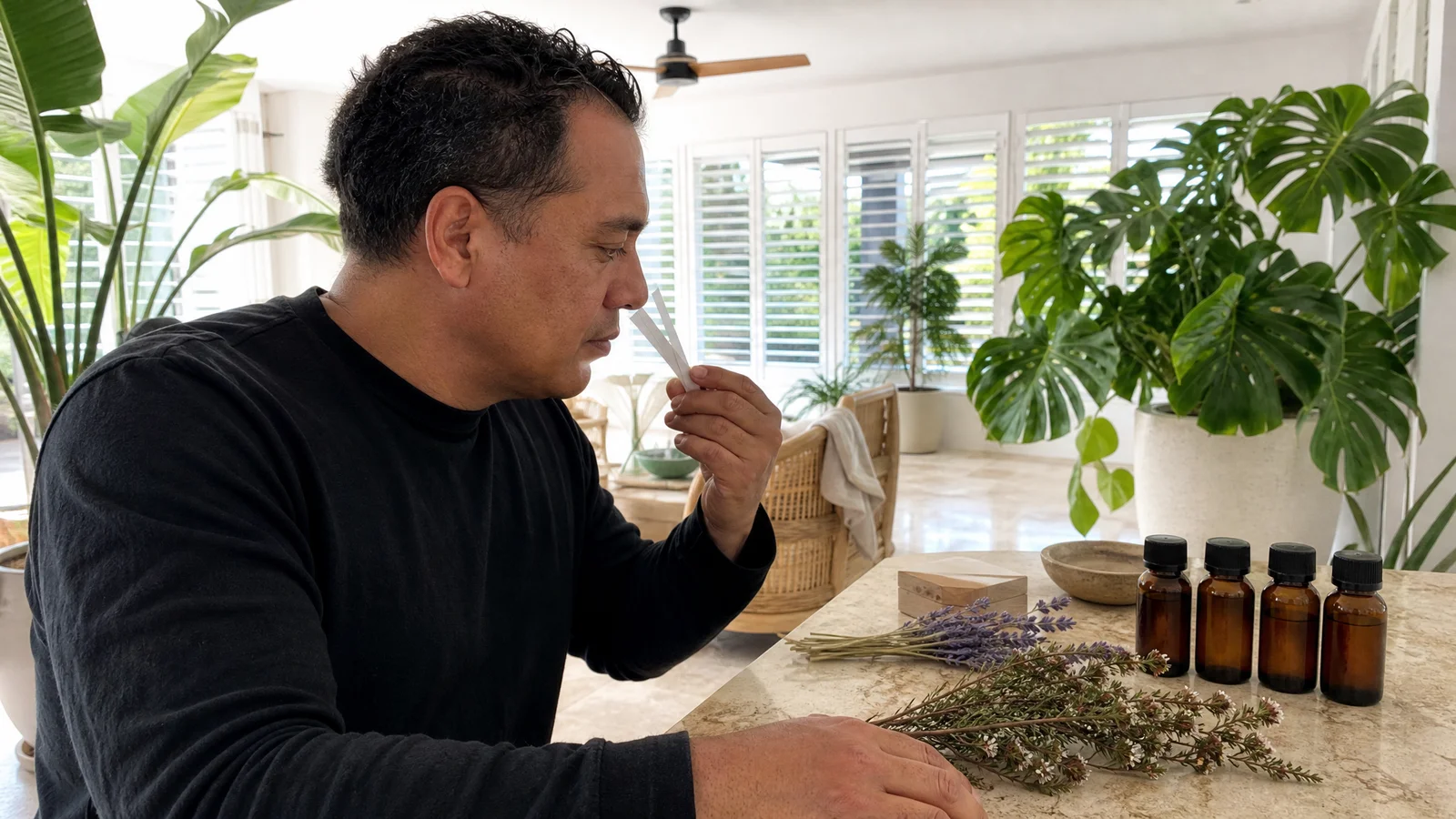
What to Blend With Manuka Oil: Pairings and Ratios
Manuka is deep, heavy and generous, so a little goes far. Pick a bright partner and a floral or woody echo, then follow the drop maths for skin blends.

Manuka Oil in a Winter Skin Routine: Where It Fits
Dry winter skin needs a plain emollient first. Here is where manuka oil fits as an aromatic extra, with dilution sums and a patch test plan.

Checking Manuka Oil Quality Before You Order
Smell and colour cannot prove a manuka oil. Learn what documents can show, what each one misses and the six questions to put to any seller.

Manuka vs Tea Tree Oil: Different Scent, Different Oil
Same plant family, different chemistry. Manuka is heavy, honeyed and woody; tea tree is bright and far better documented. Here is how to choose.

East Cape Manuka Oil: Does Origin Change the Oil?
Researchers mapped manuka's chemistry across New Zealand and found distinct oil types. Here is what East Cape means, and what it cannot tell you.
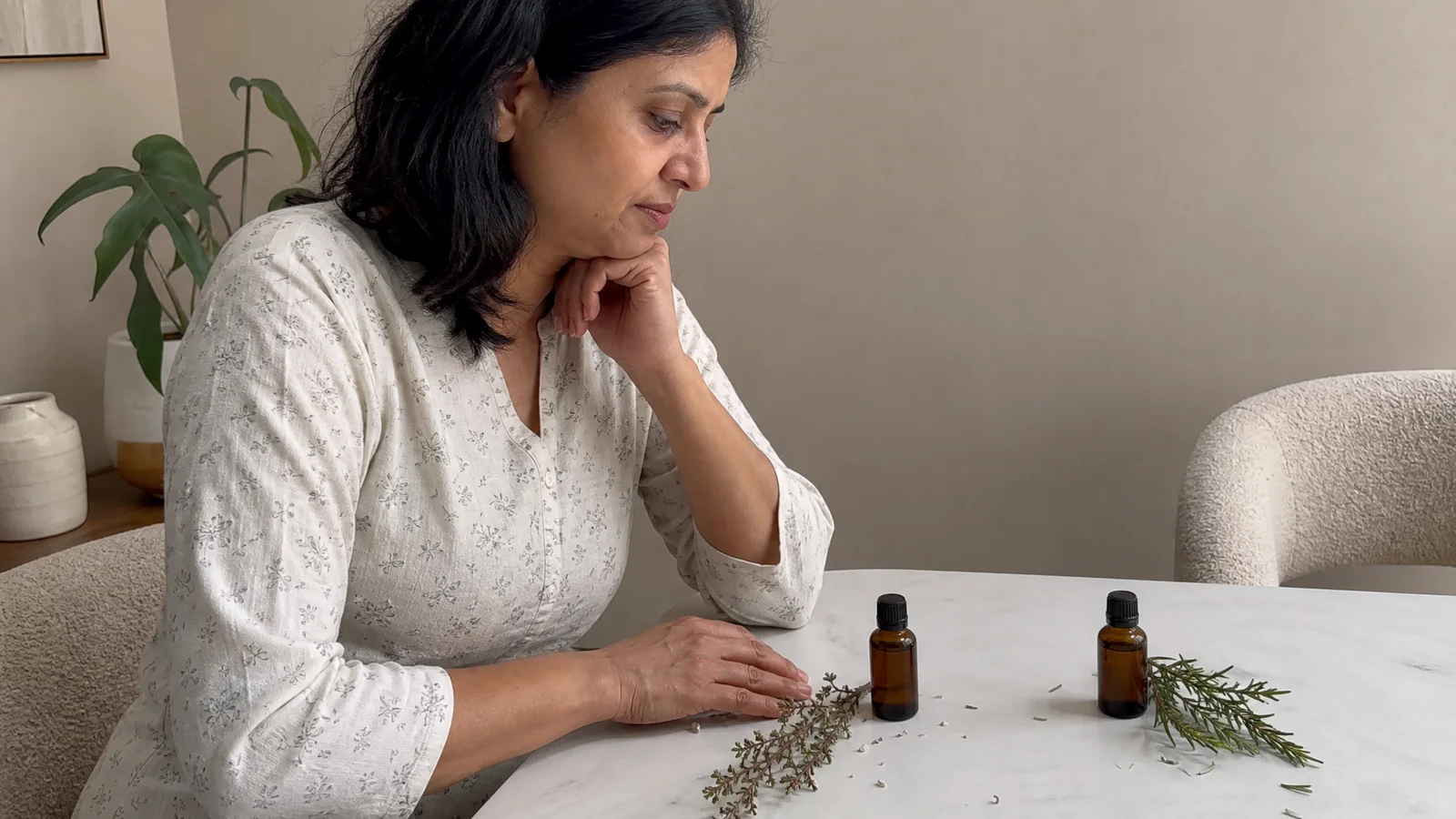
Why Is Manuka Oil Expensive? What Drives the Cost
Low yield, varied chemistry and paperwork all shape a manuka oil price. Learn what drives the cost and how to compare quotes by the gram.
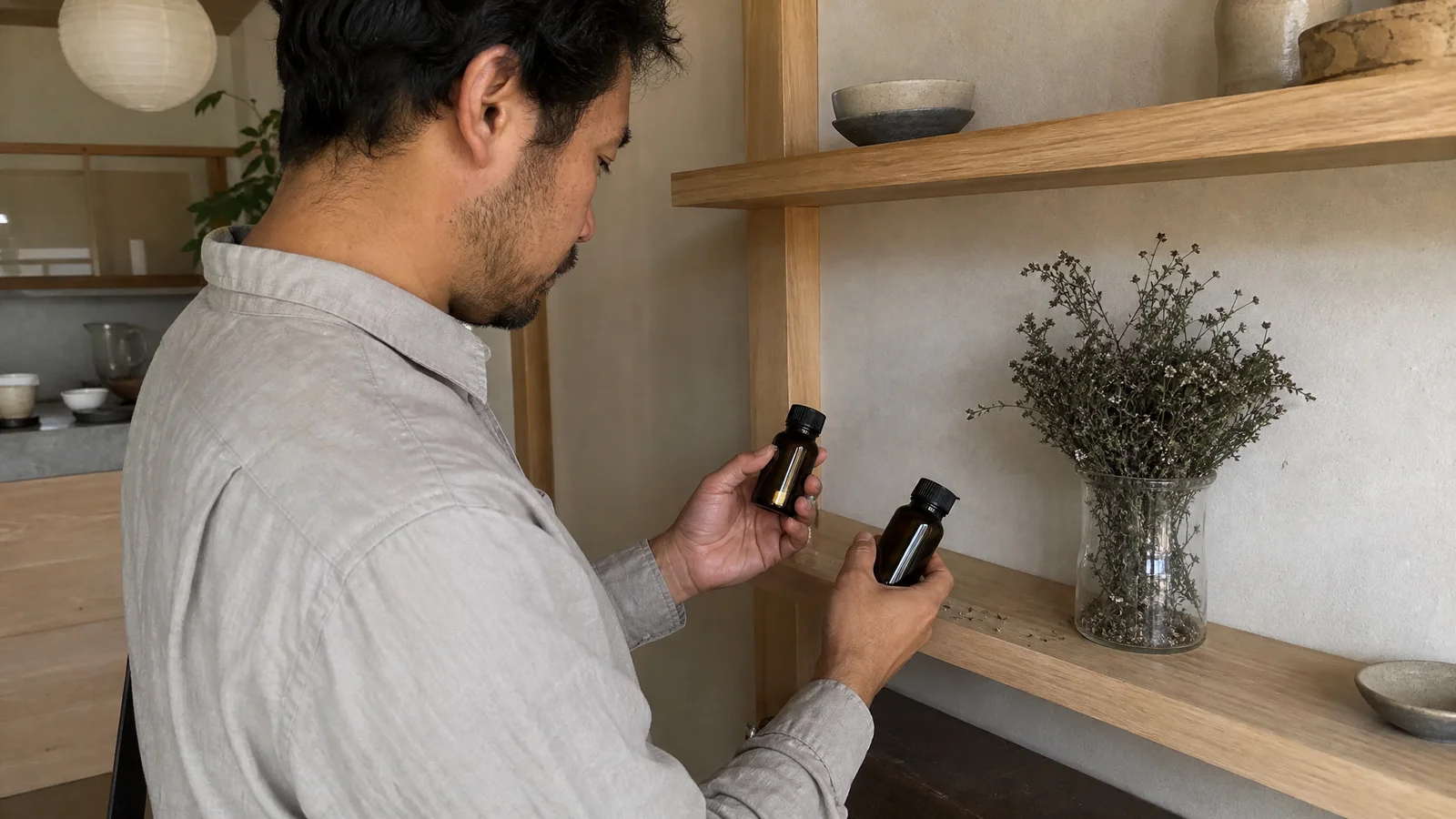
How to Read a Manuka Oil Label: Claims vs Proof
Triketone numbers, East Cape, wild, organic, lab-tested: which manuka oil label words rest on a measurement and which are just descriptions.

Manuka Products vs Manuka Oil: Which One Do You Need?
A manuka lotion and a bottle of manuka oil are different things. Read the ingredient list, see what fragrance hides, and decide who sets the dose.

Manuka Oil Bottle Sizes: How to Choose by Drops
Even our smallest manuka bottle holds almost 300 drops. See what each size gives you, how long it lasts and when a bigger one makes sense.
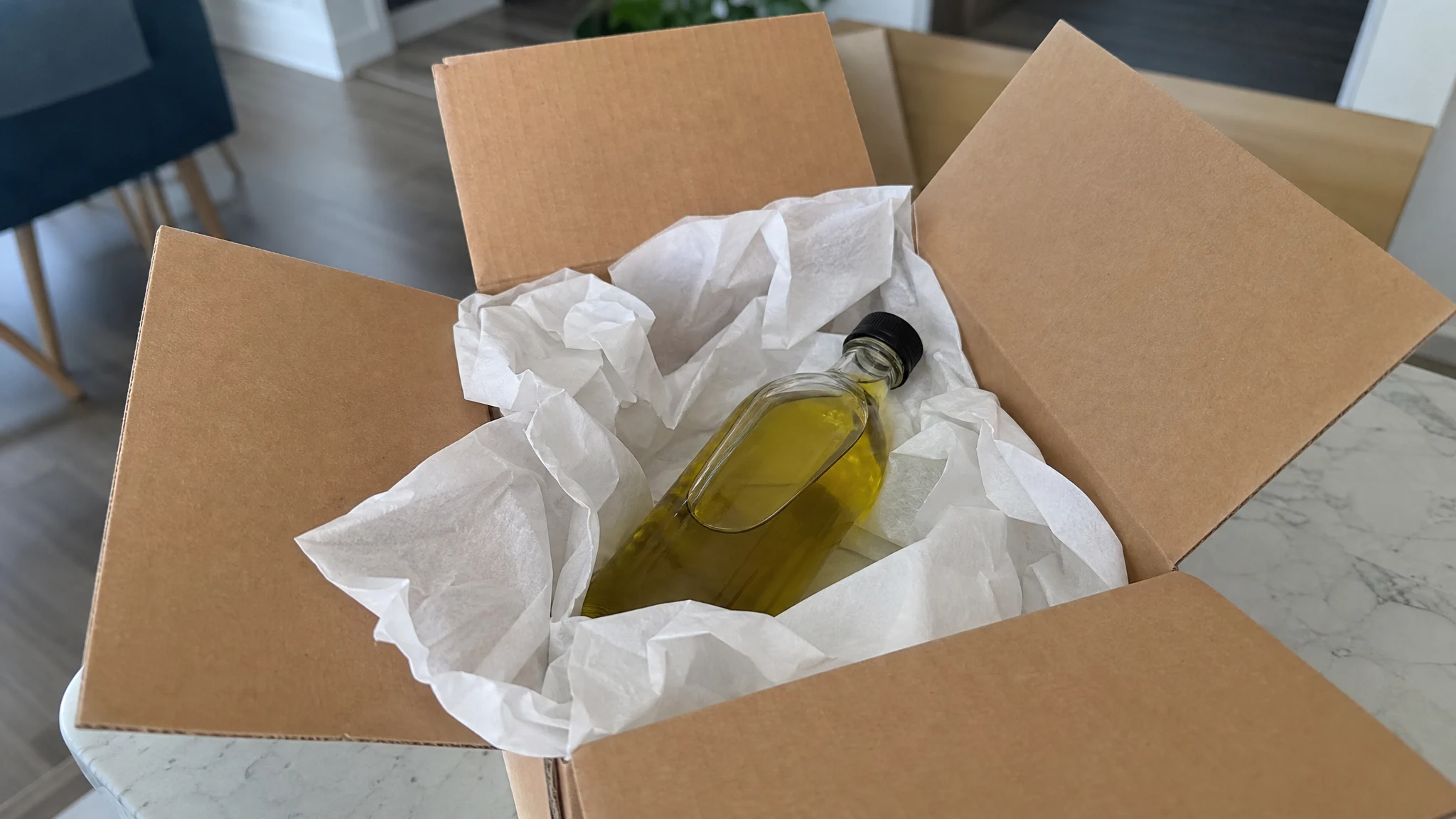
Where to Buy Manuka Oil: What to Ask First
The shelf tells you little about a manuka oil. Match the channel to your use, know what a label must show, and ask five questions before you pay.