
How to Spot Pure Manuka Oil: Quality Checks Before You Pay
Buying pure manuka oil for the first time can feel surprisingly complicated. The shelves (virtual and physical) are crowded with bottles that look identical from the outside. Prices swing from suspiciously cheap to eye-wateringly expensive. Labelling language varies wildly. And unless you know what you're actually looking for, it's easy to pay a premium for something that isn't what it claims to be.
This guide cuts through that noise. Below you'll find every practical quality check worth making before you hand over your money, from decoding Latin names on the label to understanding why a batch number matters more than a pretty bottle.
Why Manuka Oil Quality Varies So Much
Manuka oil comes from Leptospermum scoparium, a flowering shrub native to Aotearoa New Zealand and parts of southeastern Australia. The oil is steam-distilled from the leaves and small branches. That's where the story starts, but it's far from where it ends.
The chemical profile of the oil shifts depending on where the plant grew, what time of year it was harvested, how quickly it was processed after cutting, and what distillation equipment was used. East Cape manuka, grown on the northeastern tip of New Zealand's North Island, is particularly prized for its elevated triketone content. Triketones are the signature aromatic compounds that give East Cape oil its distinctive sharp, resinous scent and set it apart from South Island or Australian material.
That regional variation matters enormously to quality-conscious buyers. For a deeper look at how geography shapes the oil, see our guide on East Cape vs other origins: does region really change manuka?
The upshot: not all manuka oil is equal, and price alone tells you very little.
Quality Indicator 1: The Latin Name on the Label
Start with the botanical name. Any reputable manuka oil product should display Leptospermum scoparium clearly on the label, not just the common name "manuka." This matters because some sellers use the term loosely, and the genus Leptospermum contains over 80 species with very different chemical compositions.
If the label says only "manuka oil" with no Latin name, that's a yellow flag. It doesn't automatically mean the product is poor quality, but it suggests the seller isn't providing the full transparency that serious botanical products deserve.
Quality Indicator 2: GC/MS Testing and Batch Certificates
Gas chromatography/mass spectrometry (GC/MS) testing is the gold standard for verifying essential oil purity and composition. A credible supplier will either publish GC/MS reports on their website or provide them on request for each batch.
What to look for in a GC/MS report:
- Triketone percentage: For East Cape manuka oil, leptospermone, isoleptospermone, and flavesone are the three key triketones. High-quality East Cape oil typically shows combined triketone levels in the range of 20% or above, though this varies by season and microclimate.
- Absence of adulterants: A clean report shows no unexpected peaks that might indicate synthetic additives or dilution with cheaper carrier oils.
- Batch-specific data: Generic reports that aren't tied to a specific lot number are nearly meaningless. The chemistry of each distillation run differs. Always ask for a batch-matched certificate.
If a seller can't or won't share GC/MS data, move on. Transparency is a baseline expectation, not a luxury feature.
Quality Indicator 3: Origin and Distillery Information
The best manuka oil quality nearly always traces back to a named region and a named distillery. Labels that say "Product of New Zealand" without specifying which part of New Zealand are giving you less information than you deserve.
Look for:
- A specific region (East Cape, Gisborne Coast, Northland, South Island, etc.)
- The distillery name or supplier name, even if it's just a trading name
- A harvest year or season, since freshness affects aromatic quality
Some smaller New Zealand operations distill and sell directly, which shortens the supply chain and usually means better traceability. Larger distributors sometimes aggregate material from multiple sources without disclosing that blending. Neither approach is automatically bad, but you should know which one you're buying.
Quality Indicator 4: Bottle and Packaging

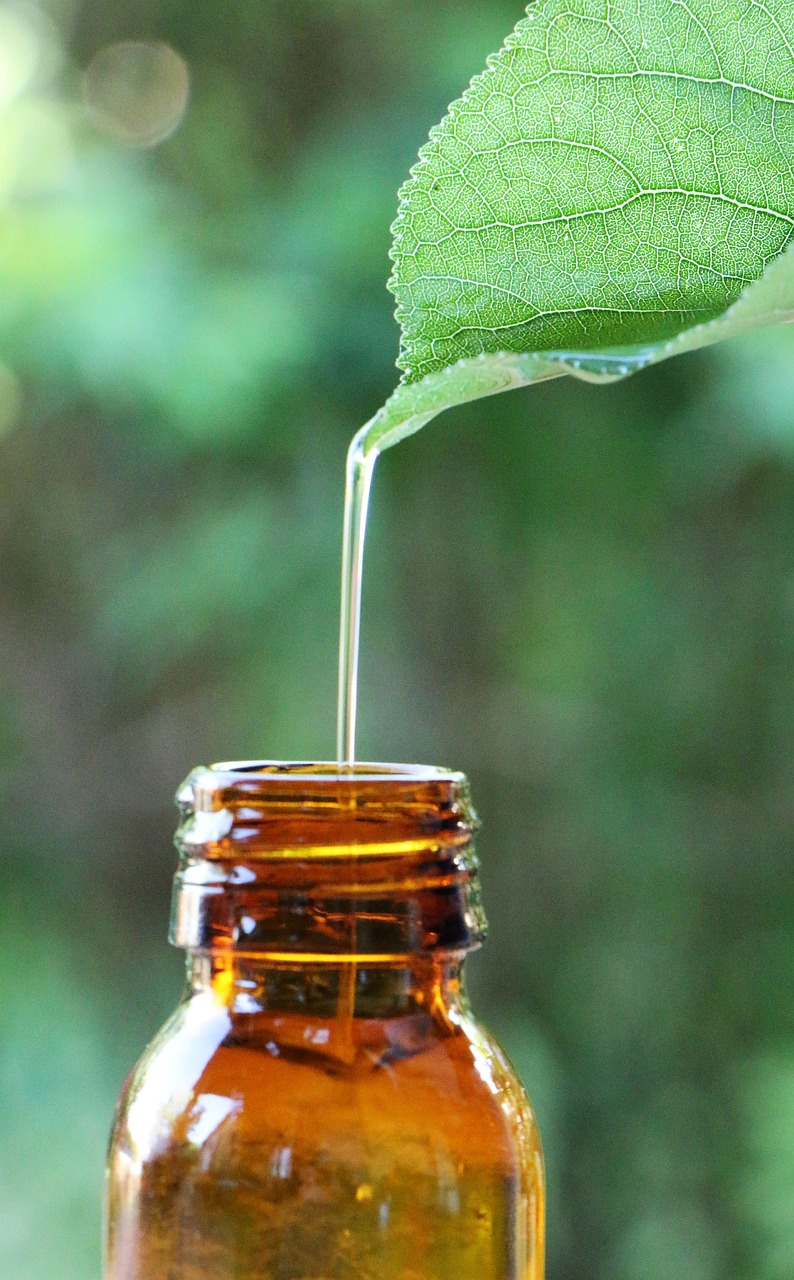
Pure essential oils oxidise when exposed to light. Reputable sellers package manuka oil in dark amber or cobalt blue glass bottles with a proper reducer insert and a tightly fitting cap. If you see clear glass, translucent plastic, or a dropper cap that doesn't seal well, those are signs the seller hasn't prioritised shelf life.
Bottle size also signals something about the seller's expectations. Manuka oil is typically sold in 5 ml, 10 ml, and 15 ml bottles for general retail use. Occasionally you'll find 30 ml or 50 ml options from suppliers catering to formulators or professional aromatherapists. Very large bottles (100 ml or more) in a retail context are worth scrutinising: genuine high-grade East Cape oil is not cheap to produce, and very large volumes at low prices often suggest dilution or inferior raw material.
Quality Indicator 5: Scent Profile
This one requires you to actually smell the oil, which isn't always possible when buying online. But if you have access to a sample, or once your order arrives, scent is one of the fastest quality checks available.
High-quality East Cape manuka oil has a complex, resinous, slightly spicy character with earthy undertones. Some people detect a faint sweetness, others a light camphor note. What it should not smell like: flat, thin, watery, or heavily piney in a generic conifer way. A harsh, acetone-forward smell can indicate poor distillation or oxidised oil.
For reference on how manuka compares aromatically to the oil it's most often confused with, our article on manuka oil vs tea tree oil: scent, chemistry, and best uses breaks down the differences in plain language.
Red Flags to Avoid
Some warning signs are subtle. Others are fairly obvious once you know what you're looking at.
Price That Seems Too Good
Authentic East Cape manuka oil costs more to produce than many other essential oils. The plant material is harvested by hand in rugged coastal terrain. Yields are modest. If a 10 ml bottle of "pure East Cape manuka oil" is priced at the same level as a standard lavender or eucalyptus oil, something doesn't add up. That doesn't mean expensive automatically equals good. But genuinely cheap East Cape oil is almost certainly not what it claims to be.
Vague or Missing Labelling
Labels that use phrases like "manuka blend," "manuka-type," or "manuka-inspired" are not selling you pure manuka oil. These terms are legal but deliberately ambiguous. Read the ingredient list carefully. The first (and ideally only) ingredient should be Leptospermum scoparium leaf oil.
No Return Policy or Contact Information
Credible essential oil sellers stand behind their products. If a seller offers no return window and no visible customer service contact, that's a sign they don't expect you to be satisfied enough to come back. Avoid.
Overreaching Health Claims
Any seller making dramatic claims about their oil's ability to address specific health conditions is not operating responsibly. This isn't just a legal issue for the seller. It's a sign that they're prioritising marketing over accuracy, which often extends to how they describe quality, sourcing, and purity as well. Consider exaggerated marketing statements as a general credibility warning.
No GC/MS Data Available
This was covered above but bears repeating. The absence of third-party testing documentation is a red flag, not a neutral signal. Reputable producers test routinely because it protects both their reputation and their customers.
Key Features to Compare Across Products
| Feature | What to Look For | Red Flag |
|---|---|---|
| Botanical name | Leptospermum scoparium stated clearly | Common name only, or no Latin name |
| Origin | Named region (ideally East Cape) | "Product of New Zealand" only |
| GC/MS certificate | Batch-specific, available on request or online | Not available, or generic undated report |
| Triketone content | Percentage disclosed; high for East Cape material | Not mentioned at all |
| Packaging | Dark glass, tight seal, reducer insert | Clear glass or plastic |
| Harvest/batch date | Year or season noted | No date information |
| Price | Reflects genuine production costs | Suspiciously low for claimed quality |
| Seller contact info | Clear, responsive customer service | No contact method, no returns policy |
Top Picks at Different Price Points

Rather than ranking specific brands (availability and formulations change regularly), it's more useful to describe what a well-priced product looks like at each tier.
Budget Range (Under $20 for 10 ml)
At this price point, you can find decent quality if you're willing to do your homework. Look for products from New Zealand-owned suppliers who clearly state their source region. South Island manuka material tends to be more affordable than East Cape, and it's a perfectly reasonable starting point for someone exploring the oil's scent profile for candle-making, diffuser blending, or general aromatic use. Just be realistic: this tier is unlikely to deliver premium East Cape triketone levels.
Avoid: marketplace listings from unknown overseas sellers with no botanical name on the listing, prices that undercut even this modest floor by a large margin, and any product marketed primarily through health claims.
Mid Range ($20 to $45 for 10 ml)
This is where the most interesting how to buy manuka oil decisions get made. At this tier, you should expect GC/MS documentation to be available, clear origin labelling, and proper dark glass packaging. Some East Cape producers sell in this range when purchasing direct. You may also find certified organic options here, which carry their own verification overhead and typically justify the modest price premium.
Look for: direct-from-producer New Zealand suppliers, or well-established aromatherapy brands with a track record of publishing batch data. Customer reviews that specifically mention scent character (rather than only health outcomes) are a good sign that buyers are engaging with the product thoughtfully.
Premium Range (Above $45 for 10 ml)
At this price point, you're typically paying for documented high triketone content, certified organic status, or direct traceability to a named East Cape property. This tier is appropriate for formulators, serious aromatherapy practitioners, or anyone who wants to use the oil as a featured ingredient in a skincare or fragrance blend where quality consistency matters.
Expect: full GC/MS data with triketone percentages clearly stated, named distillery, harvest season disclosure, and a seller who answers questions knowledgeably and promptly. If a seller at this price point is evasive about any of these details, the premium isn't justified.
Where to Buy Pure Manuka Oil
Direct from New Zealand Producers
Buying direct is nearly always the best route for traceability. Several small East Cape distilleries sell online and ship internationally. The supply chain is short, the documentation is usually excellent, and you're supporting the growers directly. The trade-off is slightly longer shipping times and potentially higher freight costs for buyers outside New Zealand.
Specialist Aromatherapy Retailers
Reputable specialty retailers (online and physical) who focus specifically on essential oils rather than selling oils as a sideline product tend to maintain higher sourcing standards. They typically publish GC/MS data, stock multiple origin options, and have staff who can answer technical questions about chemistry and distillation. These retailers have reputational skin in the game in a way that general marketplaces do not.
General Online Marketplaces
Buying through large general marketplaces is possible but requires more due diligence. Filter by sellers who provide GC/MS certificates, state their origin clearly in the listing, and have substantive (not suspiciously uniform) reviews. Be sceptical of fulfilled-from-overseas listings that claim East Cape origin: authentic East Cape material is produced in very limited quantities, and not every seller claiming it actually has it.
Health and Wellbeing Retailers
Brick-and-mortar and online wellbeing shops often stock manuka oil alongside a wide range of natural products. Quality here varies considerably by retailer. Some carry excellent New Zealand-sourced products with full documentation. Others stock whatever is cheapest from their distributor. Ask questions before buying, and don't assume a premium price tag in a wellness store context automatically means premium sourcing.
A Quick Pre-Purchase Checklist
Before completing any purchase, run through these five questions:
- Does the label or listing display Leptospermum scoparium as the ingredient?
- Is the specific harvest region disclosed?
- Is GC/MS data available for this batch?
- Is the oil packaged in dark glass with a proper seal?
- Does the price reflect realistic production costs for the claimed quality?
If you can answer yes to all five, you're in good shape. If two or more answers are no or unknown, keep looking.
Getting the Most From Your Purchase
Once your oil arrives, store it upright in a cool, dark location away from direct sunlight and heat sources. Oxidation is the main enemy of essential oil quality over time. A well-stored bottle of manuka oil should retain its aromatic character for at least two years, and often longer.
If you plan to use your oil in a DIY skincare blend or leave-on application, always dilute properly before applying to skin (typically 1-2% in a carrier oil for general use), perform a patch test on a small area of skin before broader application, and discontinue use if any irritation occurs. People with sensitive skin, those who are pregnant, and those with known botanical sensitivities should consult a qualified healthcare provider before introducing any new essential oil into their routine.
For further guidance on building confidence in your purchasing decisions, our comprehensive article on how to buy manuka oil: the ultimate quality, origin, and value guide covers the full picture in even greater depth.
The Bottom Line on Manuka Oil Quality
Spotting pure manuka oil comes down to one core principle: follow the documentation. Good oil comes with good paperwork. A seller who knows their product and is proud of it will share GC/MS reports, name their source region, disclose their harvest data, and answer your questions directly.
Scent, packaging, and price are useful supporting signals. But the paper trail is what separates genuine high-grade manuka oil from a bottle of something else wearing an attractive label. Do the checks before you pay, and you're unlikely to be disappointed.