
What Does Manuka Oil Smell Like? A Full Scent Profile of the Tea Tree Cousin
Most people have heard of manuka honey. Far fewer have encountered manuka oil, and those who do for the first time are often genuinely surprised by the scent. It is not what they expected. If you came here picturing something floral and sweet, prepare to recalibrate. Manuka oil carries a complex, slightly wild character that sits at an interesting crossroads of the botanical world.
This deep-dive covers the chemistry behind that scent, how the fragrance compares to related oils, what sourcing decisions actually affect the aroma, and what you need to know before bringing it into your home or personal care routine.
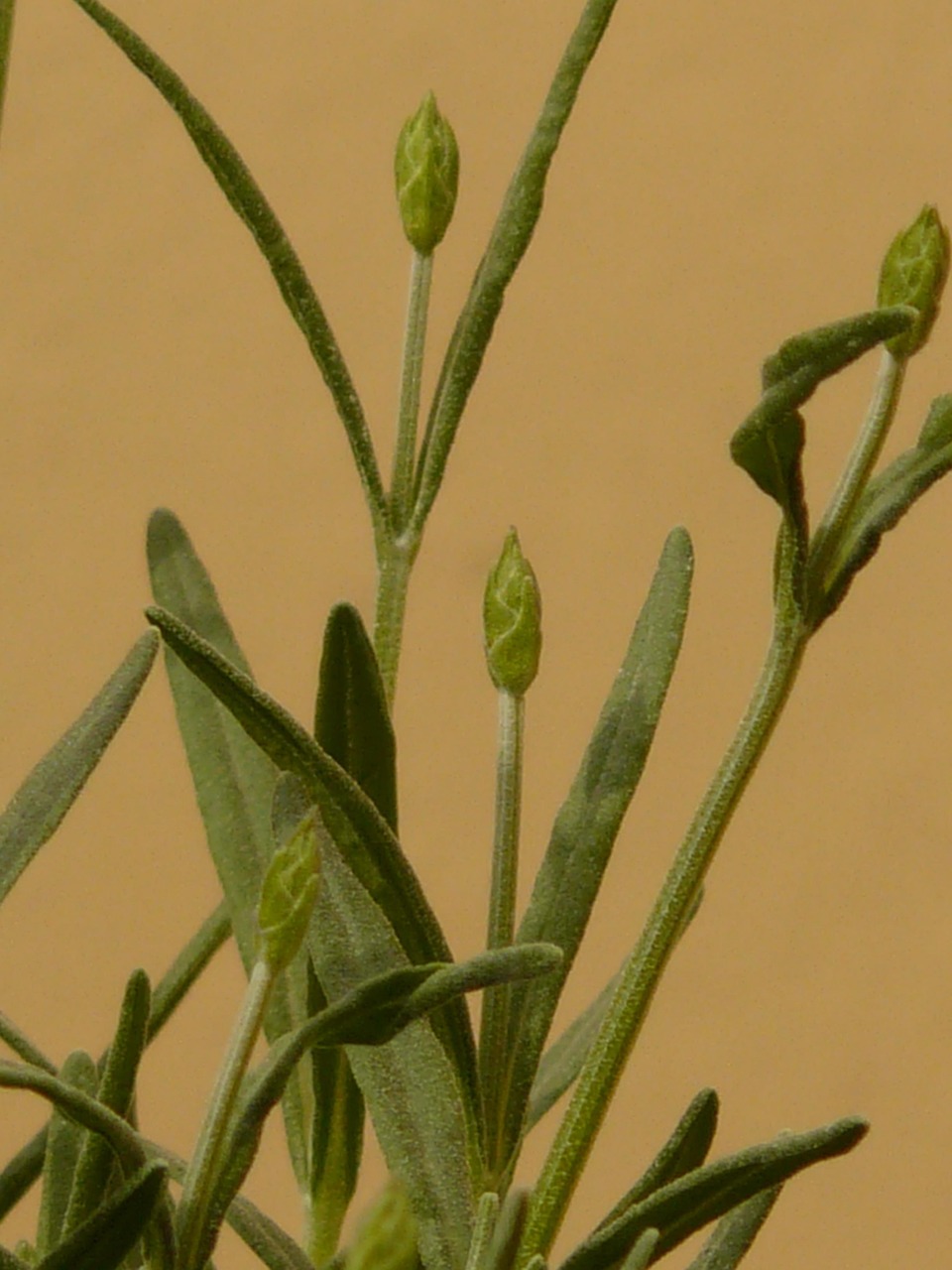
First Impressions: Describing the Manuka Oil Smell
The manuka scent is earthy, resinous, and quietly medicinal in the botanical sense. Think of damp forest floor notes layered beneath a clean, slightly spicy warmth. There is a faint sweetness underneath, but it never tips into floral territory the way lavender or ylang ylang might.
Common descriptors from perfumers and aromatherapists include:
- Woody and resinous, with a dry, almost chalky undertone
- Earthy, similar to petrichor or forest undergrowth after rain
- Slightly spicy, with a faint pepper-like edge
- Clean and green, distantly herbaceous
- A subtle sweetness in the far dry-down
It shares some DNA with tea tree oil (they are botanical cousins, both from the Leptospermum and Melaleuca genera within the Myrtaceae family) but manuka reads as noticeably drier, warmer, and more complex. Tea tree tends toward sharper, more camphorous notes. Manuka oil smell is more grounded, less clinical.
For those familiar with New Zealand's native bush, the scent is immediately evocative of that landscape: bracken fern, volcanic soil, coastal wind. For everyone else, it is simply distinctive and quietly compelling.
The Chemistry Behind the Scent
Scent does not come from nowhere. Every note in a fragrance is the sensory fingerprint of a specific molecule or group of molecules. Manuka oil's unusual aromatic profile is driven primarily by a class of compounds called triketones, which are relatively rare in the essential oil world.
Triketones: The Defining Molecules
The triketone fraction is what makes manuka oil genuinely distinctive. The three primary triketones found in East Cape manuka oil (the variety most prized by researchers and formulators) are:
- Leptospermone
- Isoleptospermone
- Flavesone
These compounds contribute the dry, resinous, slightly spicy warmth that sits at the core of the manuka scent. East Cape varieties can contain triketone concentrations of 20% or higher, sometimes reaching as high as 30%. That is exceptional. Other regional varieties of Leptospermum scoparium, particularly those from the South Island or from Australian populations, tend to show much lower triketone content and a correspondingly milder, more generically herbal aroma.
Research published in the Journal of Agricultural and Food Chemistry and related botanical studies has noted this striking regional variation in triketone concentration, observing that geographic origin appears to be the single most influential variable in the oil's chemical profile.
Sesquiterpenes: The Earthy, Woody Layer
Beneath the triketone backbone, a rich sesquiterpene fraction adds depth and earthiness. Key sesquiterpenes identified in manuka oil analyses include:
| Compound | Approximate Range | Aromatic Character |
|---|---|---|
| Calamenene | 5–15% | Woody, slightly sweet |
| Caryophyllene | 2–8% | Spicy, woody, faintly clove-like |
| Cadina-3,5-diene | 2–6% | Dry, earthy, forest-like |
| Delta-cadinene | 1–5% | Musky, woody undertone |
The sesquiterpene component is largely responsible for the oil's performance as a base or middle note in fragrance blending. It anchors lighter top notes and adds a long-lasting diffusive quality that holds on skin and fabric longer than many comparable essential oils.
Monoterpenes and Minor Compounds
Monoterpenes are present in smaller proportions and add the fresher, greener top notes to the manuka scent. Pinene and para-cymene are occasionally noted in analyses, contributing subtle resinous and herbaceous lift. These compounds evaporate faster, which is why the initial sniff of manuka oil can feel slightly brighter than what lingers on skin after five minutes.
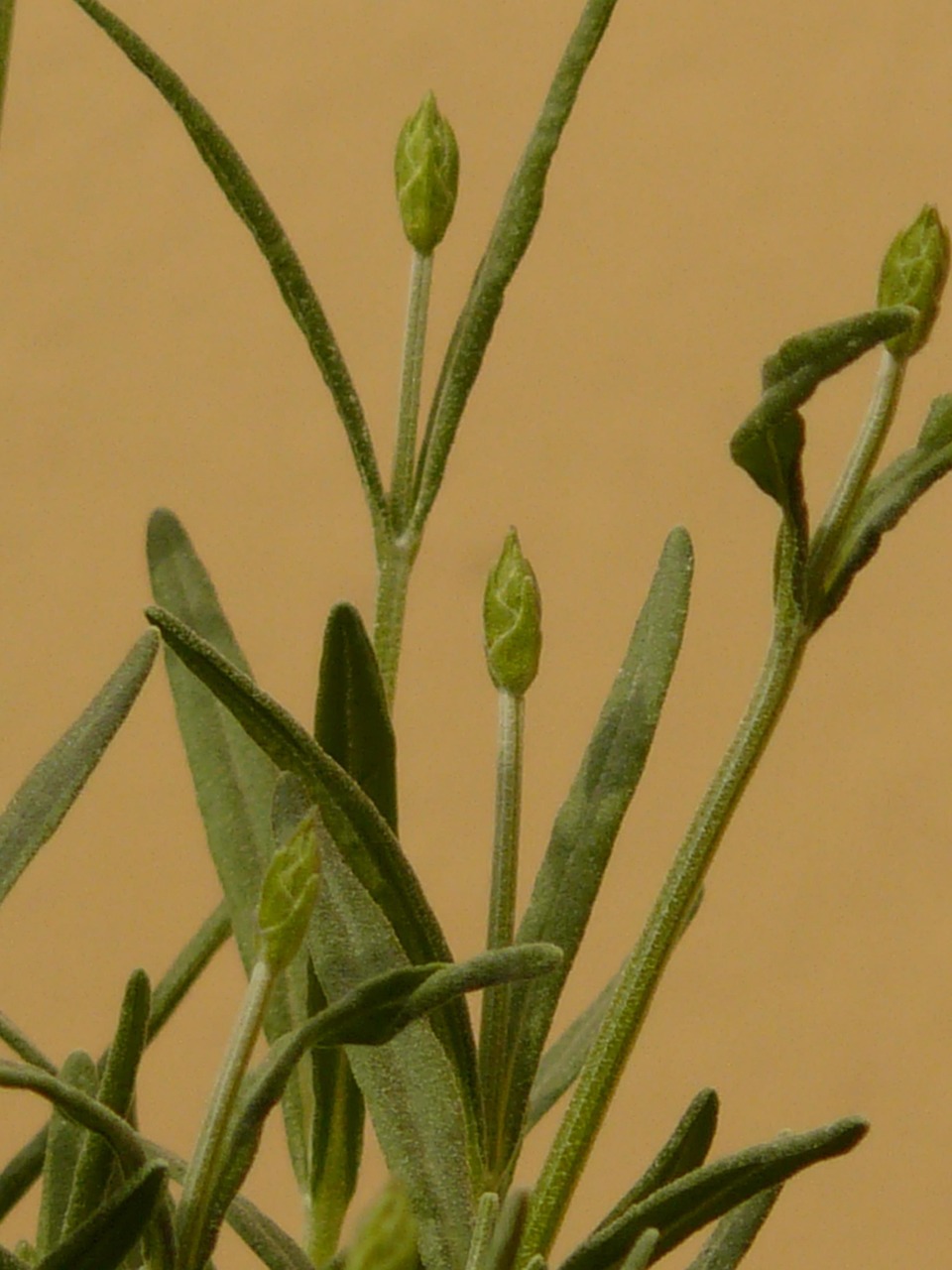
How Manuka Oil Compares to Related Scents
It helps to triangulate unfamiliar scents by comparison. Here is where manuka oil sits relative to its botanical neighbors:
- Versus Tea Tree (Melaleuca alternifolia): Tea tree is sharper, more camphorous, and more immediately recognizable as "clean" in a clinical sense. Manuka is warmer, drier, and more complex.
- Versus Kanuka (Kunzea ericoides): Kanuka, often confused with manuka, has a lighter, more floral and slightly citrusy character. The triketone content is much lower, so the profile is gentler overall.
- Versus Cypress or Juniper: There is a distant kinship in the resinous woodland quality, but manuka reads as earthier and less sharp than conifer-derived oils.
- Versus Vetiver: Both share a grounded, earthy quality, but vetiver is smokier and denser. Manuka stays drier and more diffusive.
For blending purposes, manuka pairs well with cedarwood, frankincense, lavender, bergamot, and black pepper. Its dry-down enhances these companions without dominating them, provided it is used in modest proportions.
Why Regional Sourcing Shapes the Smell
This point cannot be overstated: not all manuka oil smells the same. The variation is not minor. A South Island or Australian Leptospermum oil marketed as manuka may smell almost generically herbal, with none of the distinctive resinous depth that characterizes East Cape material.
Genuinely high-quality manuka oil originates from East Cape, New Zealand. This region's combination of soil composition, climate, and the specific genetic lineage of local Leptospermum scoparium populations produces the elevated triketone concentrations that define the signature manuka scent and make it of interest to researchers.
For more context on how the plant's geography shapes the final product, see our guide to what manuka oil is and where it comes from.
When evaluating a product, look for:
- A stated origin of East Cape, New Zealand
- A GC/MS (gas chromatography/mass spectrometry) report available from the supplier
- Triketone content listed, ideally above 20%
- Botanical name (Leptospermum scoparium) clearly stated, not just the common name
- Distillation date or batch number for traceability
The production method also influences the scent profile. Steam distillation at lower pressures and shorter run times tends to preserve delicate aromatic compounds that higher-heat or longer processing can degrade. You can read more about this in our piece on how manuka oil is made through steam distillation.
Research Observations on the Chemistry
The scientific literature on manuka oil is growing, particularly in the past two decades. Research to date has primarily focused on the triketone fraction, with several studies observing notable characteristics of these compounds in laboratory settings.
Research published in botanical and natural products journals suggests that leptospermone and its related triketones display properties that have attracted interest in multiple fields, from cosmetic formulation to agricultural science (leptospermone is actually the chemical basis of a class of herbicides, which gives some sense of how biologically active these molecules appear to be).
Some early research suggests that manuka oil may influence the olfactory experience in ways consistent with what many users report: a grounding, focusing quality during diffusion. These are observational notes from small studies and anecdotal reports, not conclusions about efficacy.
It is worth noting that the research literature on manuka oil remains far smaller than that for tea tree or lavender. Many findings are preliminary and have not been replicated at scale. Framing any of this as definitive would be premature.
Safety Profile and Contraindications
Manuka oil is potent. The same chemical complexity that gives it its distinctive scent also means it warrants careful handling.
Dilution
For adults, a typical dilution for topical use is 1–2% in a carrier oil. That translates to roughly 6–12 drops per 30ml (1 oz) of carrier. Higher concentrations may cause skin sensitization, particularly in individuals with reactive skin. Always conduct a patch test before wider application.
Patch Testing
Apply a small amount of your diluted blend to the inner forearm, cover loosely, and wait 24 hours before broader use. Discontinue if redness, itching, or irritation develops.
Populations to Exercise Caution
- Pregnant and breastfeeding individuals: Consult a qualified healthcare provider before use. The safety data for manuka oil in pregnancy is insufficient to make confident recommendations.
- Young children: Essential oils generally require additional caution with children under two. Seek guidance from a healthcare professional.
- Pets: Many essential oils are poorly tolerated by companion animals, particularly cats. Review our dedicated resource on manuka oil safety, dilution ratios, and pets before diffusing around animals.
Phototoxicity and Oxidation
Manuka oil does not appear to carry the phototoxic risk associated with cold-pressed citrus oils, but oxidized essential oils of any kind can be more irritating than fresh ones. Store your manuka oil in a dark glass bottle, away from heat and direct light, and use within two to three years of distillation for optimal quality and safety.
A note on professional guidance: The information here is educational. If you have specific health concerns, skin conditions, or are taking medications, please consult a qualified healthcare provider before adding any new ingredient, including essential oils, to your routine.
Using Manuka Oil for Its Scent
Given all of the above, how do people actually work with manuka oil's aroma in practice?
In diffusion: Two to four drops in a standard ultrasonic diffuser is typically enough. The oil is assertive. Blending it with cedarwood or frankincense softens the dryness; adding a drop of bergamot brightens the overall impression.
In personal care formulations: At low concentrations (around 0.5–1%), manuka oil contributes a distinctive botanical freshness to face oils, beard balms, and scalp serums. Its dry-down character means it does not compete aggressively with other fragrance components.
In room sprays and linen mists: Dissolved in a small amount of alcohol before combining with water, manuka oil makes an interesting addition to evening sprays. Many people find the grounded, earthy quality well-suited to pre-sleep wind-down rituals and calm evening atmospheres.
In candle and soap making: Note that essential oil fragrances behave differently under heat. High-temperature processes may alter the delicate triketone and sesquiterpene notes. If fragrance fidelity matters, use manuka oil in cold-process applications rather than hot-pour methods.
The Scent as a Quality Signal
Here is something worth remembering when you are evaluating a new bottle: your nose is actually a reasonably useful instrument for quality assessment, even without laboratory equipment.
Genuine high-triketone East Cape manuka oil has a depth and warmth that is hard to fake. It lingers. It has layers. An oil that smells flat, generically herbal, or strongly camphorous may have lower triketone content or may have been blended with other materials. That is not automatically a problem for every application, but it matters if you are selecting specifically for the characteristic manuka scent and its associated botanical properties.
Request GC/MS data from your supplier. Reputable producers of high-quality East Cape material will provide it. The numbers on that document are the only objective confirmation of what your nose is telling you.
The manuka oil smell is genuinely one of the more interesting aromatic profiles in the natural products world. It rewards patience, careful sourcing, and a willingness to work with something a little wild.