
DIY Manuka Foot Soak and Scrub: A Grounding At-Home Spa Ritual
Feet carry the full weight of a day, and they rarely get the attention they deserve. This two-part ritual changes that. A warm manuka foot soak followed by a sugar scrub scented with manuka oil turns an ordinary evening into something genuinely restorative. The process is simple, the ingredients are honest, and the result is softer skin and a calmer atmosphere before bed.
Manuka oil is steam-distilled from the leaves and small branches of Leptospermum scoparium, a shrub native to Aotearoa New Zealand and parts of southeast Australia. Its scent is earthy and slightly sweet, with a faintly green, woody depth that grounds a room rather than filling it with sweetness. Some research suggests that manuka leaf oil has interesting chemical properties connected to its unique triketone compounds, making it one of the more studied New Zealand botanicals in cosmetic science. For the purposes of this recipe, we love it primarily for what it contributes to a sensory ritual: a scent profile that feels rooted, clean, and unhurried.
What You Will Make
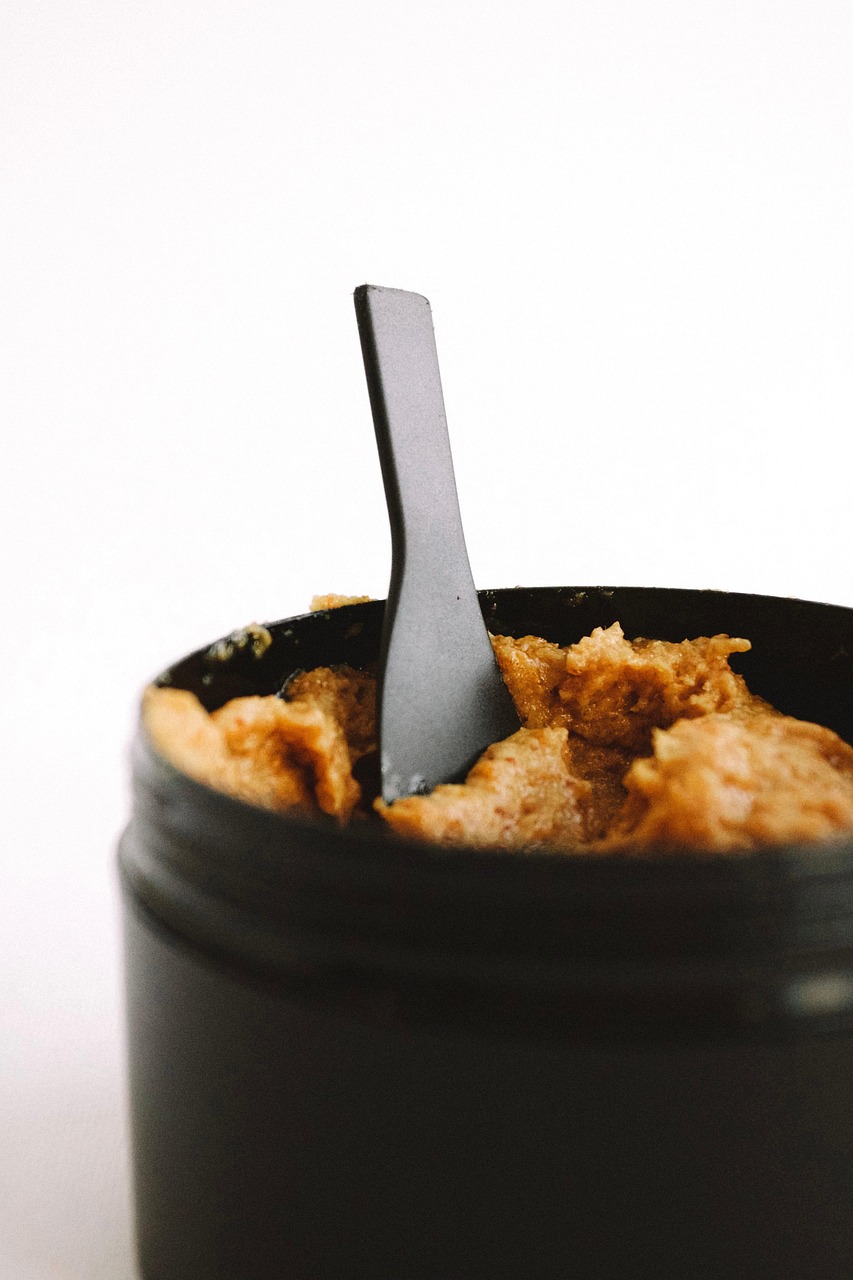
This recipe produces two products designed to be used in sequence. First, a mineral-rich foot soak that softens skin and fills your space with warm botanical fragrance. Second, a coarse sugar scrub that buffs away rough patches and leaves a light layer of nourishing oil on the skin. Together they take roughly 30 minutes from start to finish.
- Difficulty: Beginner-friendly
- Active prep time: 10 minutes
- Soak time: 15 to 20 minutes
- Scrub application: 3 to 5 minutes
- Yield: One full soak session plus approximately 200 g of scrub (enough for 3 to 4 uses)
A Note on Dilution Before You Start
Essential oils must always be properly diluted before skin contact. Undiluted oils applied directly to skin can cause irritation or sensitisation. For a foot soak, the general guidance is to pre-mix your essential oils into a carrier oil or full-fat milk before adding them to water. Oil and water do not combine, and dropping undiluted essential oil directly into a basin means your skin may contact concentrated droplets unevenly.
For body scrubs and soak blends used on feet, a dilution of 1 to 2 percent is a common starting point for most adults. That works out to roughly 6 to 12 drops of essential oil per 30 ml (one ounce) of carrier. For this recipe, we stay well within that range.
If you are new to manuka oil or any of the other oils listed here, perform a patch test at least 24 hours before your first full use. Apply a small amount of the diluted blend to the inside of your wrist or elbow, cover loosely, and check for redness or irritation before proceeding.
Part One: The Manuka Foot Soak
Soak Ingredients
| Ingredient | Amount | Purpose |
|---|---|---|
| Epsom salt (magnesium sulphate) | 120 g (roughly half a cup) | Softens water, adds a pleasant mineral weight to the soak |
| Fine sea salt or pink Himalayan salt | 60 g (roughly a quarter cup) | Contributes texture and mineral content |
| Baking soda (bicarbonate of soda) | 2 tablespoons | Softens water and may help smooth rough skin over time |
| Whole milk or oat milk (optional) | 60 ml (quarter cup) | Acts as a dispersant for essential oils; adds softness |
| Manuka oil | 4 drops | Primary aromatic and botanical note |
| Lavender essential oil | 3 drops | Softens and rounds the manuka scent |
| Peppermint essential oil | 2 drops | Adds a cool, refreshing finish |
| Sweet almond oil or fractionated coconut oil | 1 tablespoon | Carrier for essential oils; leaves skin lightly conditioned |
| Dried chamomile flowers (optional) | 1 tablespoon | Visual and aromatic garnish |
Soak Instructions
- Fill a wide basin or foot spa with warm water. The temperature should feel comfortable, not scalding. Somewhere around 38 to 40 degrees Celsius (100 to 104 degrees Fahrenheit) is a good target.
- Add the Epsom salt, fine sea salt, and baking soda to the basin. Stir briefly to begin dissolving.
- In a small bowl or ramekin, combine the sweet almond oil with the manuka oil, lavender oil, and peppermint oil. Stir well. This pre-blending step ensures the essential oils are dispersed into a carrier before they contact your skin.
- Pour the milk into the basin, followed by the carrier-and-essential-oil blend. Swirl the water gently with your hand to incorporate.
- Scatter dried chamomile flowers across the surface if using. This is purely a sensory and visual choice.
- Submerge your feet and rest for 15 to 20 minutes. Keep a towel nearby and top up with warm water from a kettle or pitcher if the temperature drops.
Part Two: The Manuka and Brown Sugar Foot Scrub
Scrub Ingredients
| Ingredient | Amount | Purpose |
|---|---|---|
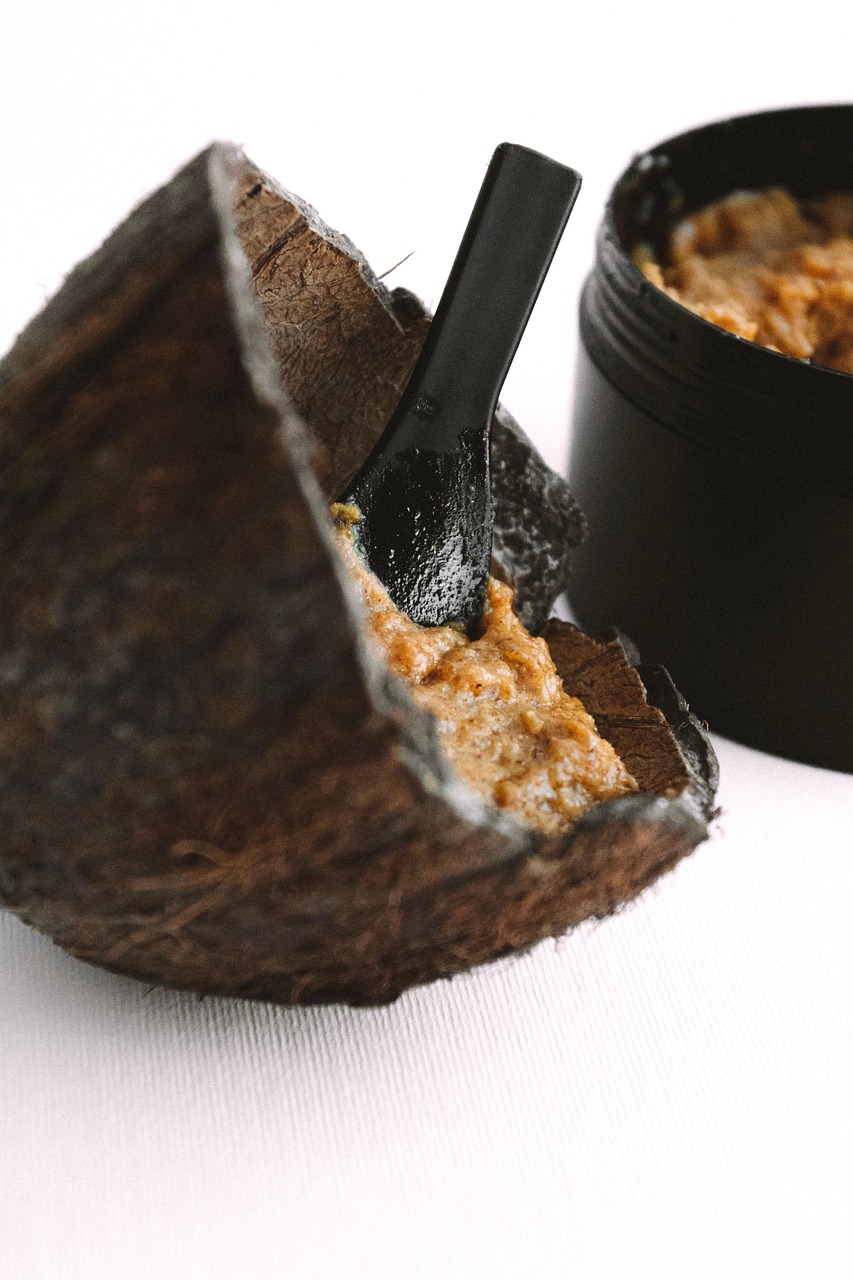
| Brown sugar (raw or turbinado) | 150 g (about two thirds of a cup) | Gentle physical exfoliant |
| Fractionated coconut oil | 3 tablespoons | Primary carrier; stable and lightweight |
| Sweet almond oil | 1 tablespoon | Adds slip and a softening quality |
| Manuka oil | 6 drops | Primary botanical scent note |
| Cedarwood or vetiver essential oil | 4 drops | Deepens and extends the earthy base |
| Vanilla extract (optional) | half a teaspoon | Rounds the scent with a warm sweetness |
| Fine sea salt | 1 tablespoon | Boosts exfoliating texture on rough patches like heels |
Scrub Instructions
- In a clean mixing bowl, combine the brown sugar and fine sea salt. Stir briefly.
- Add the fractionated coconut oil and sweet almond oil. Mix until the dry ingredients are evenly coated and the scrub holds together loosely when pressed.
- Drop in the manuka oil and cedarwood (or vetiver), then the vanilla extract if using. Stir again until the essential oils are fully incorporated throughout the mixture.
- Spoon into a clean, dry glass jar with a tight-fitting lid. A 240 ml (8-ounce) mason jar works well.
- To use: After your foot soak, pat your feet until just slightly damp rather than fully dry. Take a generous tablespoon of scrub in your palm, work it over the tops and soles of each foot using circular motions, paying extra attention to heels and the outer edges of your feet. Rinse thoroughly and pat dry.
Caution: Oils make surfaces slippery. Be careful stepping out of the basin and onto the floor. Lay down a non-slip bath mat beforehand, and hold onto a wall or sturdy surface when standing up.
Safety Warnings and Contraindications

Who Should Exercise Caution
- Pregnant or nursing individuals: Some essential oils are not recommended during pregnancy. Consult a qualified healthcare provider before using any essential oil blend during this time.
- Young children: This recipe is formulated for adults. Peppermint oil in particular is generally not recommended for children under the age of six. Seek guidance from a paediatric healthcare provider before using essential oils with children.
- Individuals with compromised skin integrity: Do not use scrubs or salt soaks on broken, cracked, or irritated skin. The sea salt and exfoliants will cause stinging and may further irritate the area. If you have any open skin, skip the soak entirely and speak with a healthcare provider.
- Circulatory considerations: People with certain circulatory or nerve-related conditions affecting the feet should consult a doctor before using any hot foot soak. This is a general precaution for any warm water soak.
- Known sensitivities: If you have known sensitivities to tree-derived botanical ingredients, review each oil in this recipe and consult a professional before use.
Patch Testing Protocol
Mix a small amount of the scrub (roughly half a teaspoon) and apply it to the inside of your elbow. Leave for 24 hours without rinsing. If you experience any redness, itching, or discomfort, discontinue use of that blend.
Storage Instructions and Shelf Life
The soak is mixed fresh each time and does not need to be stored. Simply pre-weigh your dry salts into a jar if you want to speed up the next session.
The scrub, stored in a sealed glass jar away from direct sunlight and heat, will keep for approximately 4 to 6 weeks. The limiting factor is the carrier oils. Fractionated coconut oil is highly stable, but sweet almond oil can oxidise over time. If your scrub begins to smell rancid or off, discard it and make a fresh batch.
Always use a clean, dry spoon or spatula to scoop product from the jar. Introducing water or wet fingers into the jar will significantly shorten its shelf life and may encourage microbial growth.
Variations and Substitutions
Citrus Lift Version
Swap the cedarwood in the scrub for 4 drops of bergamot or grapefruit essential oil. The citrus notes pair surprisingly well with manuka's earthy warmth and create a brighter, more uplifting atmosphere. Bergamot should be the bergapten-free (FCF) variety if the product will be used anywhere that might see sunlight.
Spice and Warmth Version
Add 2 drops of cardamom or black pepper essential oil to the scrub alongside the manuka. This creates a warmer, more complex scent that suits autumn and winter evenings particularly well.
Simpler Two-Ingredient Soak
If you want to strip the recipe back, try 120 g of Epsom salt with 5 drops of manuka oil pre-mixed into a tablespoon of carrier oil. That is the whole soak. It is spare and lovely on its own.
Carrier Oil Substitutions
Fractionated coconut oil can be replaced with jojoba (technically a liquid wax, very stable) or grapeseed oil. Avoid unrefined coconut oil in this recipe as it will solidify below room temperature and make the scrub difficult to use.
Sugar Substitutions
If you prefer a finer texture, use white caster sugar rather than brown sugar. For a more aggressive exfoliation on very rough heels, replace up to half the brown sugar with coarse sea salt. Note that a higher salt ratio will make the scrub more abrasive. Go gently and do not use it on sensitive areas.
Pairing and Further Reading
Manuka oil's versatility goes well beyond foot care. If you enjoy its scent profile in this ritual and want to explore it further in your daily routine, our guide on how to use manuka oil in your skin and hair care routine covers a range of applications from cleansers to scalp blends.
The lavender and manuka combination in the soak above is one of our favourite pairings, and it forms the heart of our Southern Coast signature blend. That article goes into more depth on why these two botanicals complement each other so well aromatically.
And if you want to experiment with the scrub variations or create your own blends from scratch, our deep dive into what blends well with manuka oil will give you a solid framework for combining it with other essential oils confidently.
A Few Final Thoughts on the Ritual Itself
The ritual works best when it is unhurried. Set up your basin before you mix anything. Have your towel, a good book or some music, and a glass of water nearby. Dim the lights if you can. The scent of manuka oil in warm steam is something quite particular: green and woody and quietly complex. It fills the room without demanding attention.
This is not a complicated recipe. The ingredient list is longer than the effort required. Once you have made the scrub once, you will have it memorised, and future batches take under five minutes. The soak comes together while the basin fills. The whole ritual costs very little and asks only for time. That, arguably, is the point.