Manuka Oil for Eczema: What Two Trials Actually Found
New Zealand researchers have put plant oils from the manuka family through proper trials for eczema, which is more than can be said for most essential oils. The results are worth knowing, partly because the newest one is a lesson in how much a plain, well-made cream can do on its own.
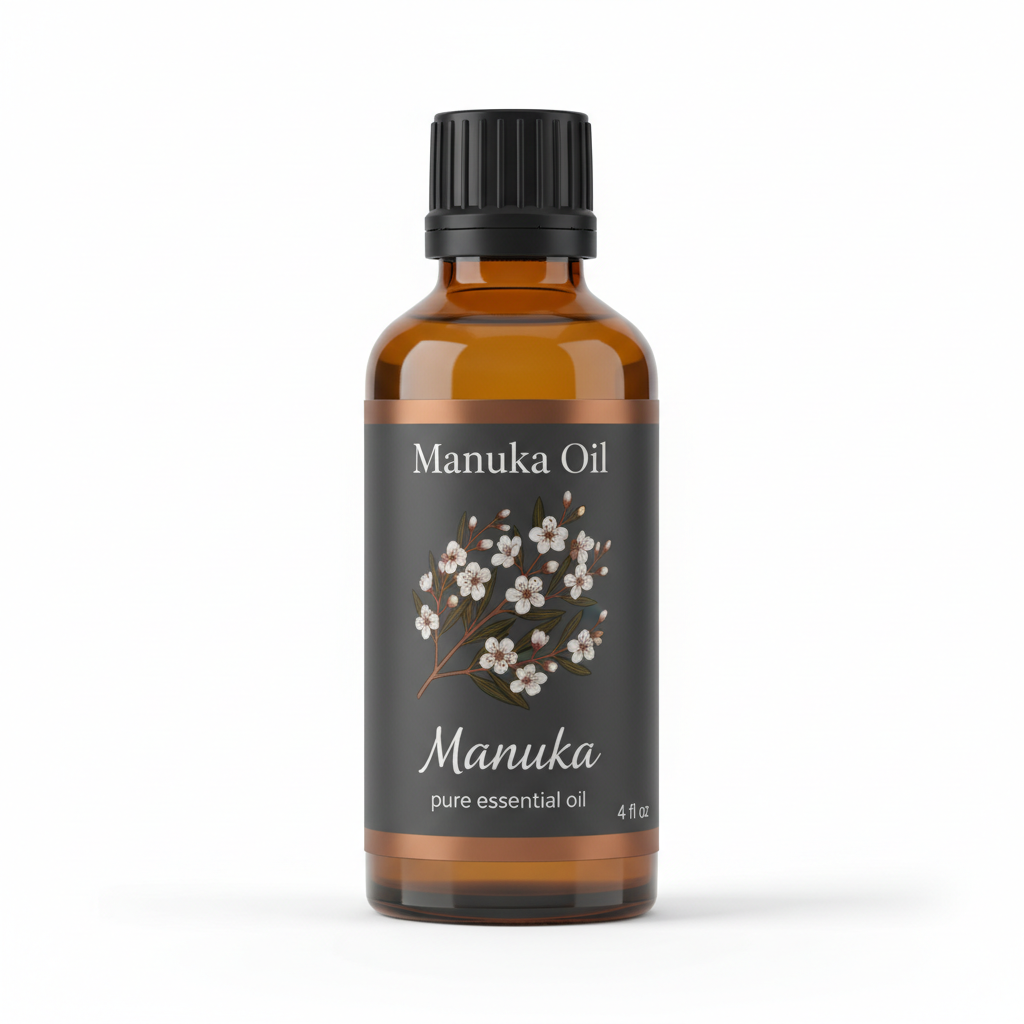
Manuka Essential Oil
Our own Manuka Essential Oil, in sizes from 0.5 oz to bulk.
From $18.99
Shop Now →Eczema is a skin-barrier conversation
The American Academy of Dermatology describes atopic dermatitis, the most common type of eczema, as a chronic condition that causes itchy, dry, inflamed skin, and recommends seeing a board-certified dermatologist as soon as you notice signs, because early diagnosis and a proper plan stop it getting worse. It adds that even when a rash clears, the skin can still be easily irritated (AAD). That last point shapes everything that follows: eczema-prone skin is skin where anything new, including a scent, deserves caution.
Two trials from the manuka family
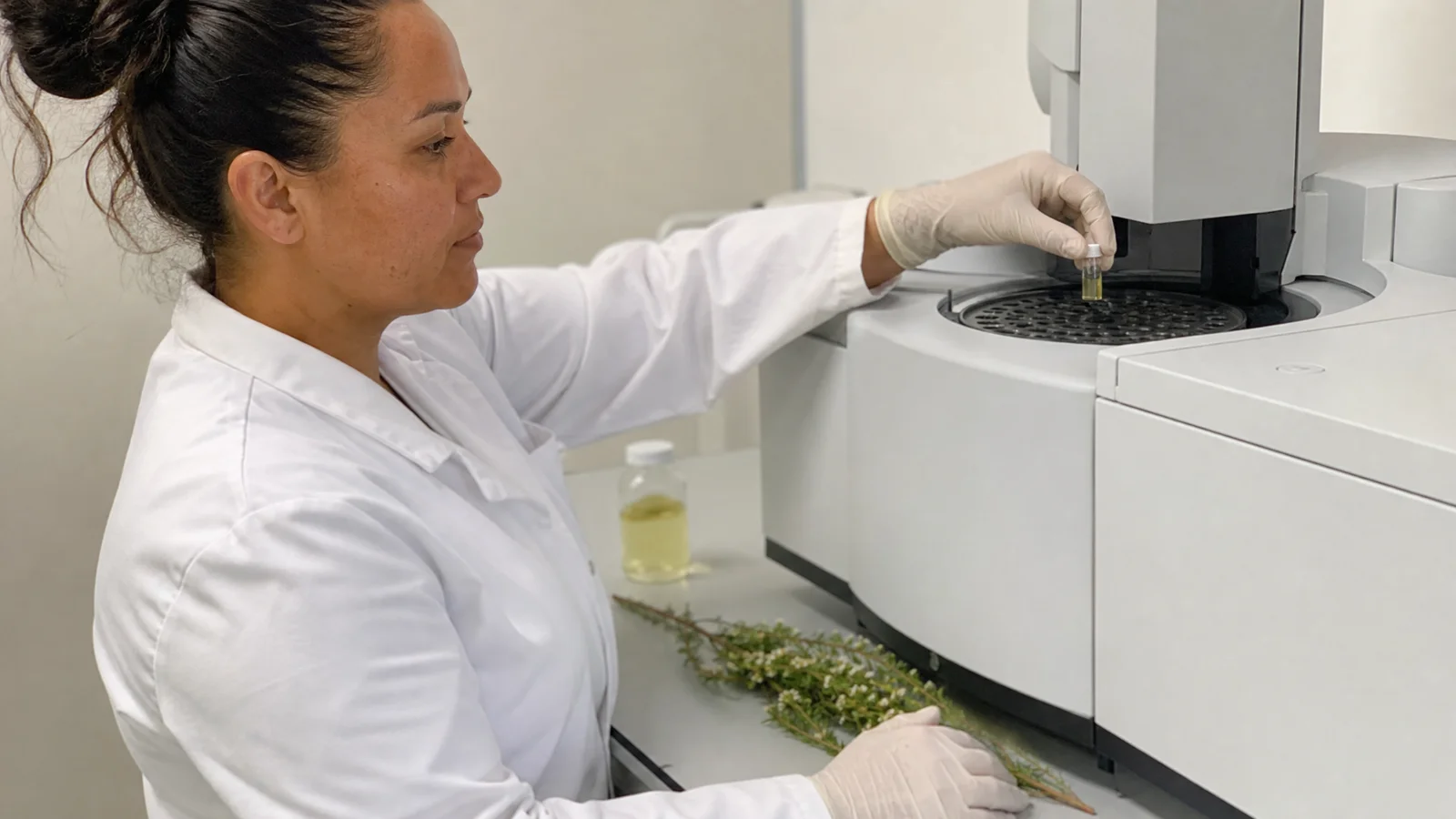
The first used kānuka, a related but different plant. In a single-blind trial across 11 New Zealand pharmacies, 80 adults with moderate-to-severe eczema used either a 3% kānuka oil cream or a vehicle cream (the same cream without the oil) twice a day for six weeks. The kānuka group scored 3.1 points better on the Patient Oriented Eczema Measure, with a confidence interval running from 0.2 to 6.0. The trial was funded by the companies developing the product (Shortt and colleagues, 2022).
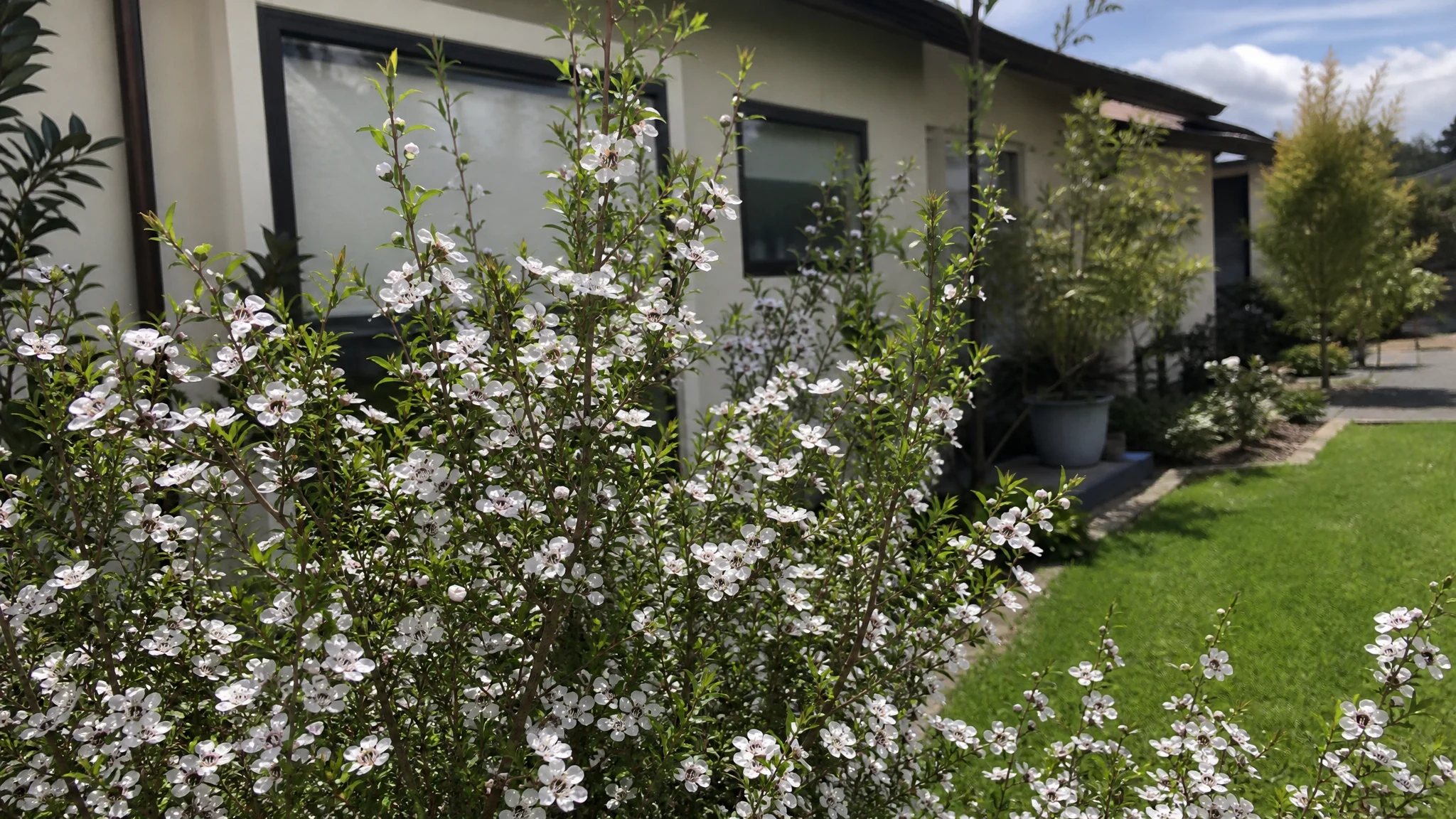
The second used manuka. A 2% manuka oil-based cream called ECMT-154 was compared with a vehicle cream in 118 adults, again in 11 pharmacies, again for six weeks. Scores improved from 16.3 to 8.8 in the manuka group and from 16.9 to 8.8 in the vehicle group, a difference of less than half a point with no statistically significant gap on any secondary outcome. No serious adverse events were reported, and the authors concluded there was no evidence of a difference between the two creams (Shortt and colleagues, 2026).
The most useful reading is the plain one. Both groups got markedly better. That fits with what dermatology has long said about moisturising and gentle skin care, and it is a reminder that a result for a formulated cream says little about neat oil diluted at home. The trial creams were purpose-built products, and the protocol paper for the manuka trial notes that the base cream itself was expected to give emollient benefits and that the study was funded by the company behind the formulation (Shortt and colleagues, 2024).
Why the cream matters more than the oil
It is easy to skim a trial headline and miss the humble part: both groups spent six weeks putting a gentle cream on their skin every day. If you take one habit from this research, it could be that one. Plain, regular moisturising is something you can talk through with a pharmacist today, and nobody needs an essential oil to start.
What delicate skin does with fragrance
DermNet notes that irritant dermatitis is more common in people with a history of atopic eczema and in any skin whose barrier is compromised, and that allergic contact dermatitis usually appears unexpectedly after an allergen was previously tolerated (DermNet, contact dermatitis). Fragrance allergy is believed to affect around 1% of adults, making it second only to nickel as a cause of allergic contact dermatitis, and natural extracts appear on the list of established contact allergens alongside synthetic fragrance chemicals (DermNet, fragrance allergy). Put those together and you get a practical rule: a patch test that looks fine on day one is not a promise on day ten.
Reading the next headline
New eczema stories turn up all the time, and a few questions make them easier to weigh. Was there a comparison cream, so you can see what the base did by itself? How many people took part, and for how long? Who paid for it? Is the product in the story the same thing you can pick up in a bottle? Once you get used to asking, you will notice how often a promising line turns out to be about a formulated product rather than a neat oil.
Where we stand
We sell manuka essential oil neat, as an aroma and cosmetic ingredient, and we do not suggest it for eczema skin. If you have eczema and want to use a scented product on healthy skin elsewhere, ask your dermatologist which areas and which products suit you, since they know your skin. Questions worth taking along: which of my current products contain fragrance, should I be patch tested for fragrance and botanical allergens, and what signs mean I should call rather than wait? Moisturisers and prescribed medicines come from a pharmacy or clinic, not from us.
For ordinary skin use, our sensitive skin guide sorts stinging from irritation from allergy, and the side effects post lists what to watch for. Our own guidance for healthy skin is a carrier oil at 0.5% to 2%, a patch test first, and keeping the oil away from eyes, children and pets.
A few notes for your appointment
If you do see a clinician, a short written list helps more than people expect: the products you use on your skin, including anything scented, when flare-ups tend to happen, and a phone photo of a bad day, since skin often looks calmer in the waiting room. Take the list along and let the person who knows your skin set the plan.
The encouraging takeaway from the research is how well eczema responds to attentive routine care, and that is a conversation to start with a clinician.
Manuka Essential Oil
Manuka Essential Oil from our own shop, in sizes from 0.5 oz to bulk.
From $18.99
Shop Now →Sources & Further Reading
- American Academy of Dermatology, "Eczema types: Atopic dermatitis overview"
- Shortt N and colleagues, 2022, "Efficacy of a 3% Kānuka oil cream for the treatment of moderate-to-severe eczema: A single blind randomised vehicle-controlled trial"
- Shortt G and colleagues, 2026, "Randomised controlled trial of mānuka oil-based ECMT-154 vs. vehicle control for the topical treatment of eczema, conducted in community pharmacies in New Zealand"
- Shortt G and colleagues, 2024, "Mānuka oil based ECMT-154 versus vehicle control for the topical treatment of eczema: study protocol for a randomised controlled trial in community pharmacies in Aotearoa New Zealand"
- DermNet, "Contact dermatitis"
- DermNet, "Fragrance allergy"