Manuka Oil Side Effects: Reactions to Watch For
If a rash shows up on day two or three after trying a new oil, it is usually not irritation, and treating it as irritation is how people end up exposing themselves again. Skin reacts to essential oils in two quite different ways, one fast and dose-related, the other delayed and immune-driven, and knowing which is which makes every next step easier. Here is how we think about it with manuka oil.
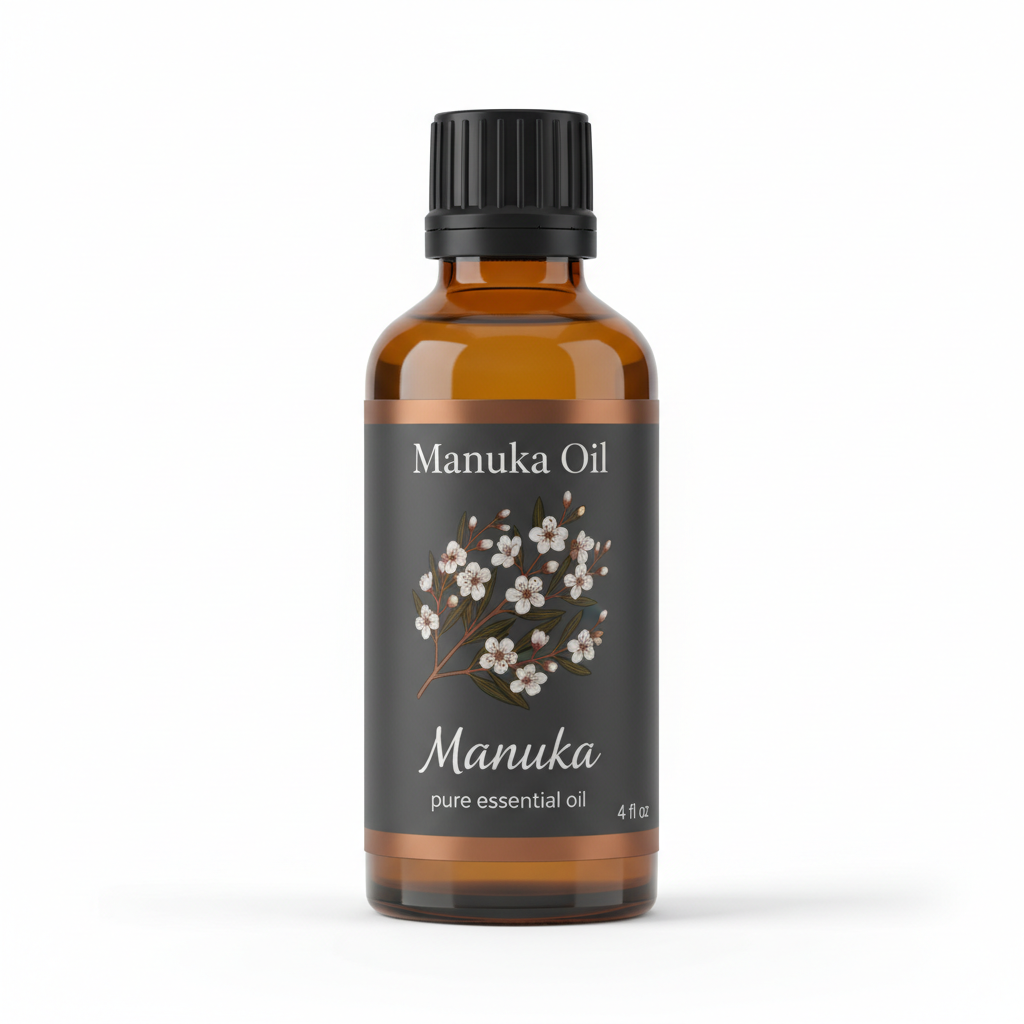
Manuka Essential Oil
Our own Manuka Essential Oil, in sizes from 0.5 oz to bulk.
From $18.99
Shop Now →Two kinds of reaction
DermNet's page on allergic contact dermatitis to essential oils describes the delayed type: the immune system is already primed, and a rash generally appears 24 to 72 hours after exposure. It can spread beyond the contact site, and people allergic to one oil often react to several, since oils share constituents. Clinic patch tests reflect that timing, with patches removed at 48 hours and read again 48 to 96 hours later. Irritation is the faster cousin. It tends to show soon after contact, stays where the oil touched, and fades once the oil is washed away.
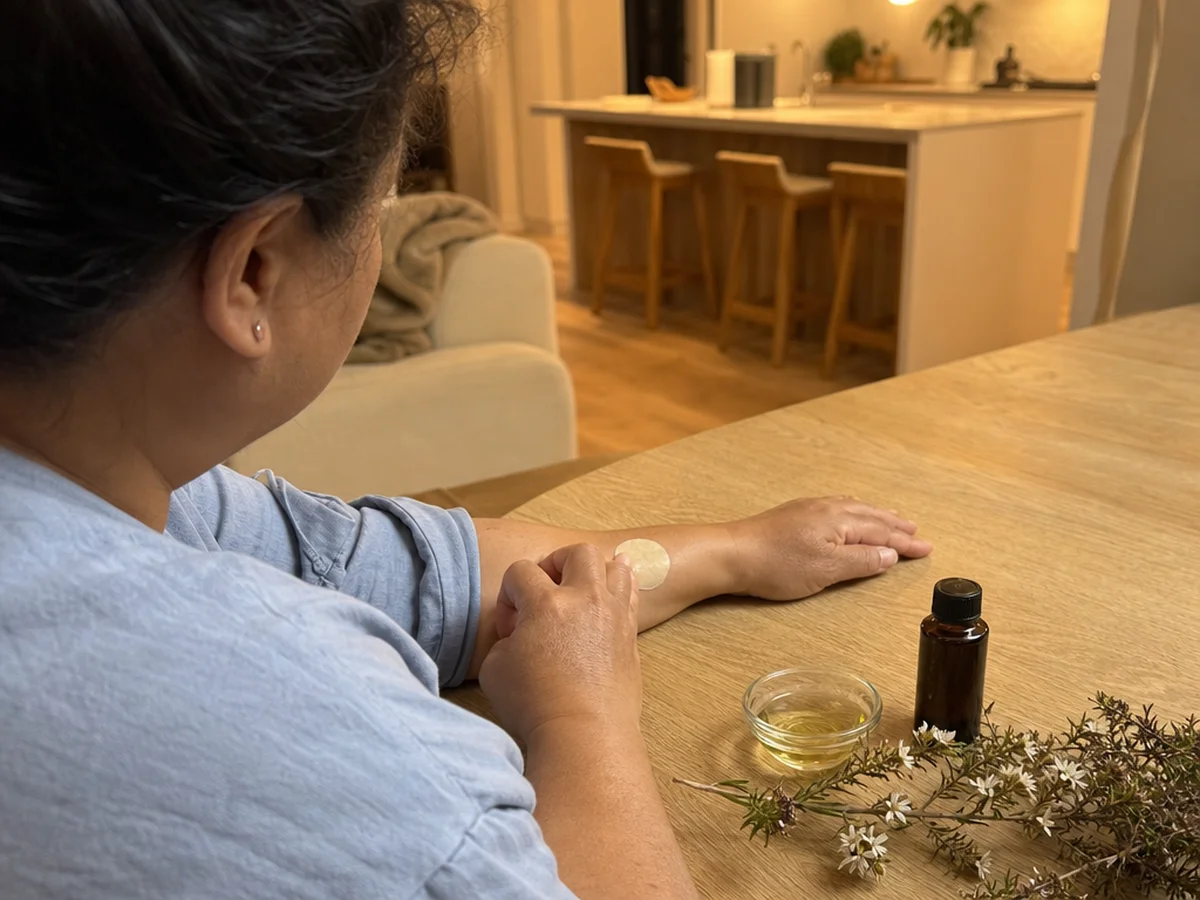
That is why a "no reaction" at the hour mark on your inner arm is a reassuring start rather than a final answer. Watching the spot for a few days is a better test.
What is known, and what is borrowed
Manuka oil has not had the large patch-test series that tea tree oil has, so the best-quantified numbers belong to its relative. In a review of one Australian patch-test clinic over four and a half years, 41 of 2,320 people tested (1.8%) reacted to oxidized tea tree oil, and eight of the 41 had applied it undiluted. Those are clinic referrals, not a cross-section of the public, and tea tree is a different oil, so we offer the figure as a reminder of why people take allergy seriously and not as a number for manuka. The 2020 manuka review adds that one commercial product was patch tested on 50 people at concentrations from 0.5% to 100% with no significant irritation reported, and then notes that clinical trials are lacking and that dosing and toxicology data are limited. We read that as a gentle picture: reasonable reassurance, plus a good reason to stay measured.
The part you control: freshness
One of the most useful findings comes from tea tree oil work on oxidation. Left on a window sill, a tea tree oil sample's peroxide level rose from under 50 to over 500 ppm in four days, and the oxidized oil was about three times a stronger sensitizer than fresh oil in guinea pigs. Manuka is a different mixture, so applying that to our oil is inference, but it is sensible inference: oxygen, heat and light are tough on terpene-rich oils. We recommend keeping the cap tight and the bottle in a cool, dark place, and our shelf-life guidance is typically 2 to 3 years kept that way. The Certificate of Analysis we publish for one batch carries a best-by date of 11/30/2027. Our storage post has the practical details.
Reading your own skin
Reactions are easier to recognise when you know your usual baseline. Look at the spot before you use anything, and then again morning and evening for a few days. You will notice that redness, a rough patch or a faint itch shows up more clearly when you are expecting to look for it.
Who should take extra care
DermNet lists people who handle oils at work, such as aromatherapists, hairdressers and cosmetics makers, plus people with atopic dermatitis, as groups more likely to react, and notes that diffusers have caused airborne contact dermatitis in households. If you make products regularly, gloves are a sensible habit, and keeping the oil off broken skin matters for everyone.
It helps to keep the bottle, and a quick note of the date and the blend, somewhere easy to find. If you do speak to a doctor or pharmacist, those details save time.
If you do react
- Stop using it and rinse the area. Poison Control advises washing remaining oil off with soap and water.
- Do not retest on the same spot. DermNet notes that avoiding the trigger usually settles an allergy, while continued low-level contact can make it chronic.
- See a doctor or dermatologist for a rash that spreads or does not settle, for facial swelling or for anything near the eyes. Trouble breathing is an emergency.
- If oil was swallowed, or got into a child's mouth or eyes, call Poison Control at 1-800-222-1222 instead of hunting for a home remedy. Our post on swallowing goes through that case.
- Report it. The FDA's MedWatch program accepts reports on cosmetics, and the batch number on the bottle helps.
Keeping the odds on your side
We recommend diluting to 0.5% to 2% in a carrier oil such as jojoba or sweet almond, which is roughly 3 to 12 drops per ounce, starting at the low end for the face and patch testing first. Our undiluted post explains why neat use is the least forgiving place to begin, and the sensitive skin article helps if your skin already reacts easily. If you are making products for other people, ask us in writing through the contact page for the documents you need before ordering, and talk to a cosmetic safety assessor before selling anything.
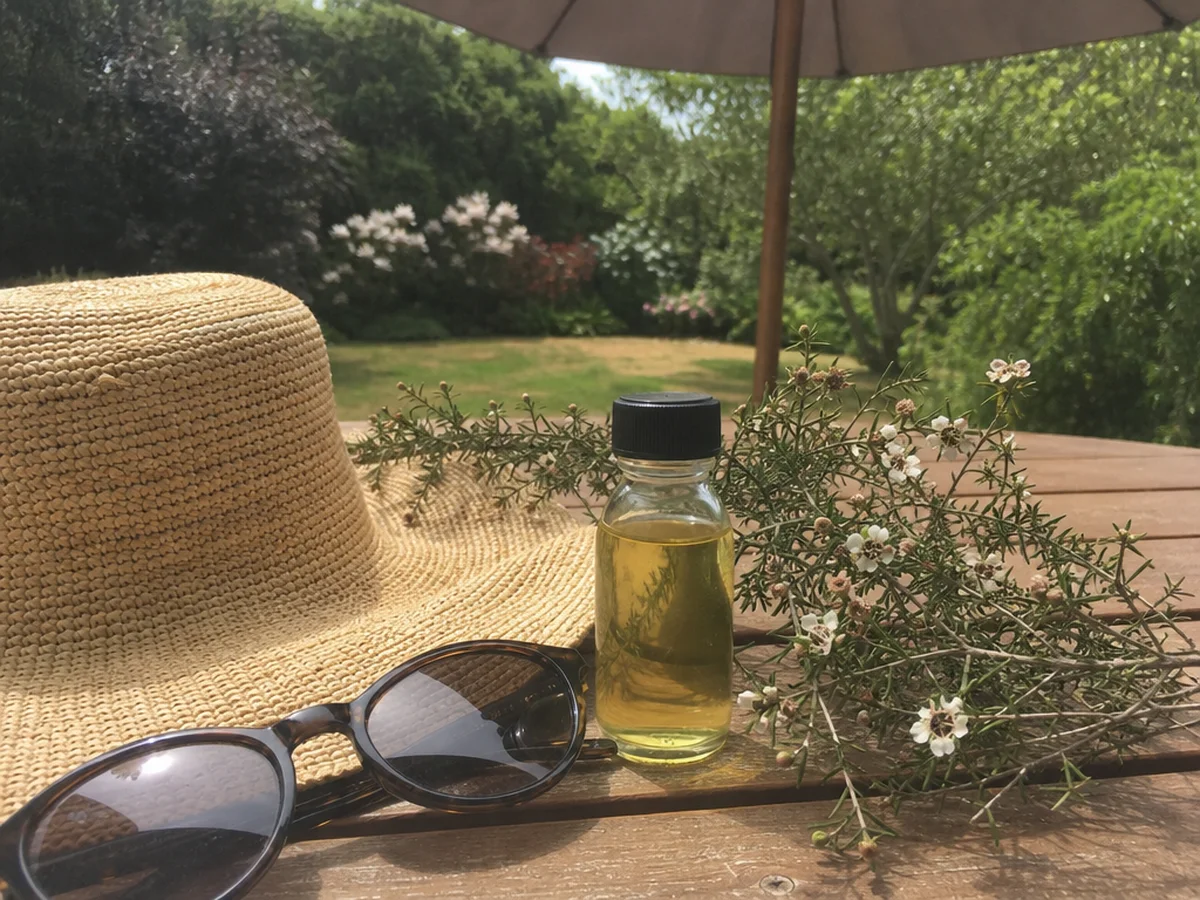
A calm way to start
Most of what makes oil use comfortable is boring: a clean bottle, a low dilution, a small test and a little patience. Enjoy the aroma, take it slowly, and let your skin set the pace.
A little patience at the start, with a low dilution and a few days of watching, makes manuka oil easy to enjoy.
Manuka Essential Oil
Manuka Essential Oil from our own shop, in sizes from 0.5 oz to bulk.
From $18.99
Shop Now →Sources & Further Reading
- DermNet, Allergic contact dermatitis to essential oils
- Allergy to tea tree oil: retrospective review of 41 cases with positive patch tests over 4.5 years (Australasian Journal of Dermatology, 2007)
- Degradation products of monoterpenes are the sensitizing agents in tea tree oil (American Journal of Contact Dermatitis, 1999)
- Mānuka Oil-A Review of Antimicrobial and Other Medicinal Properties (Pharmaceuticals, 2020)
- Poison Control, Essential oils: Poisonous when misused
- FDA, MedWatch: The FDA Safety Information and Adverse Event Reporting Program