Head Lice and Manuka Oil: A Comb, a Plan, a Pharmacist
Head lice have a way of arriving the week everything else is busy. The reassuring news is that they have a well-understood routine, one that starts with a comb and a conversation with a pharmacist, and that has nothing to do with how clean anyone's hair is.
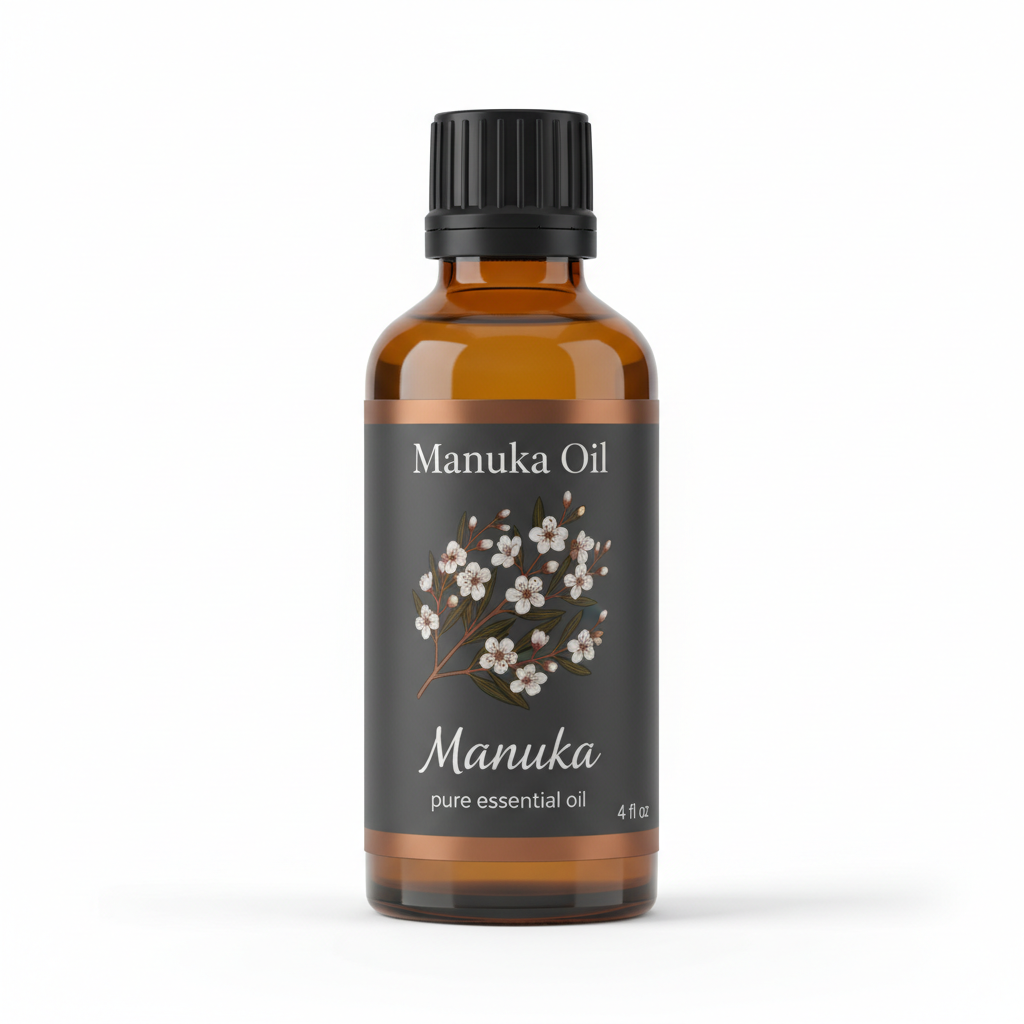
Manuka Essential Oil
Our own Manuka Essential Oil, in sizes from 0.5 oz to bulk.
From $18.99
Shop Now →What lice are and are not
The NHS explains that head lice and their eggs are very common in young children and their families, are not caused by dirty hair, and are passed on by head-to-head contact. The only way to be sure of an infestation is to find a live louse by combing with a fine-toothed detection comb. There is no need to keep a child off school, and you do not need to put the laundry through a hot wash (NHS). If it reassures anyone, that last point means the household is not about to lose a weekend to washing. The NHS does suggest checking everyone you live with or have close contact with and starting treatment for anyone who has lice on the same day, and it adds that there is nothing you can do to prevent lice, so medicated products should not be used as a preventive because they can irritate the scalp.
A few practical touches make combing days easier. Pick a time when no one is rushing, put on something the child enjoys, and sit in good light, since a window or a bright lamp helps you see what you are doing. Wipe the comb on a white tissue after each pass so you can see exactly what came out. Small treats are allowed; this part takes a while.
The comb route
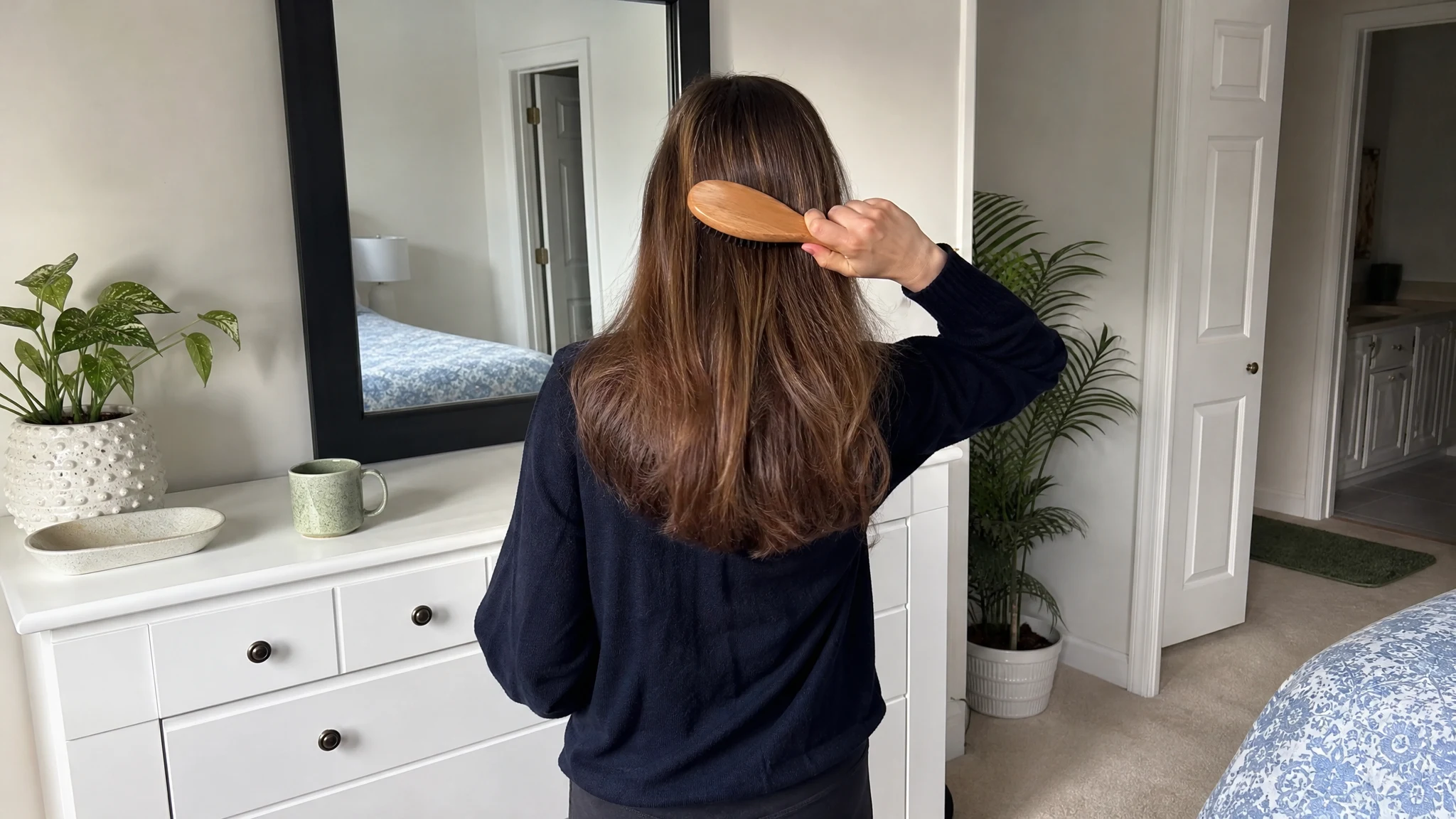
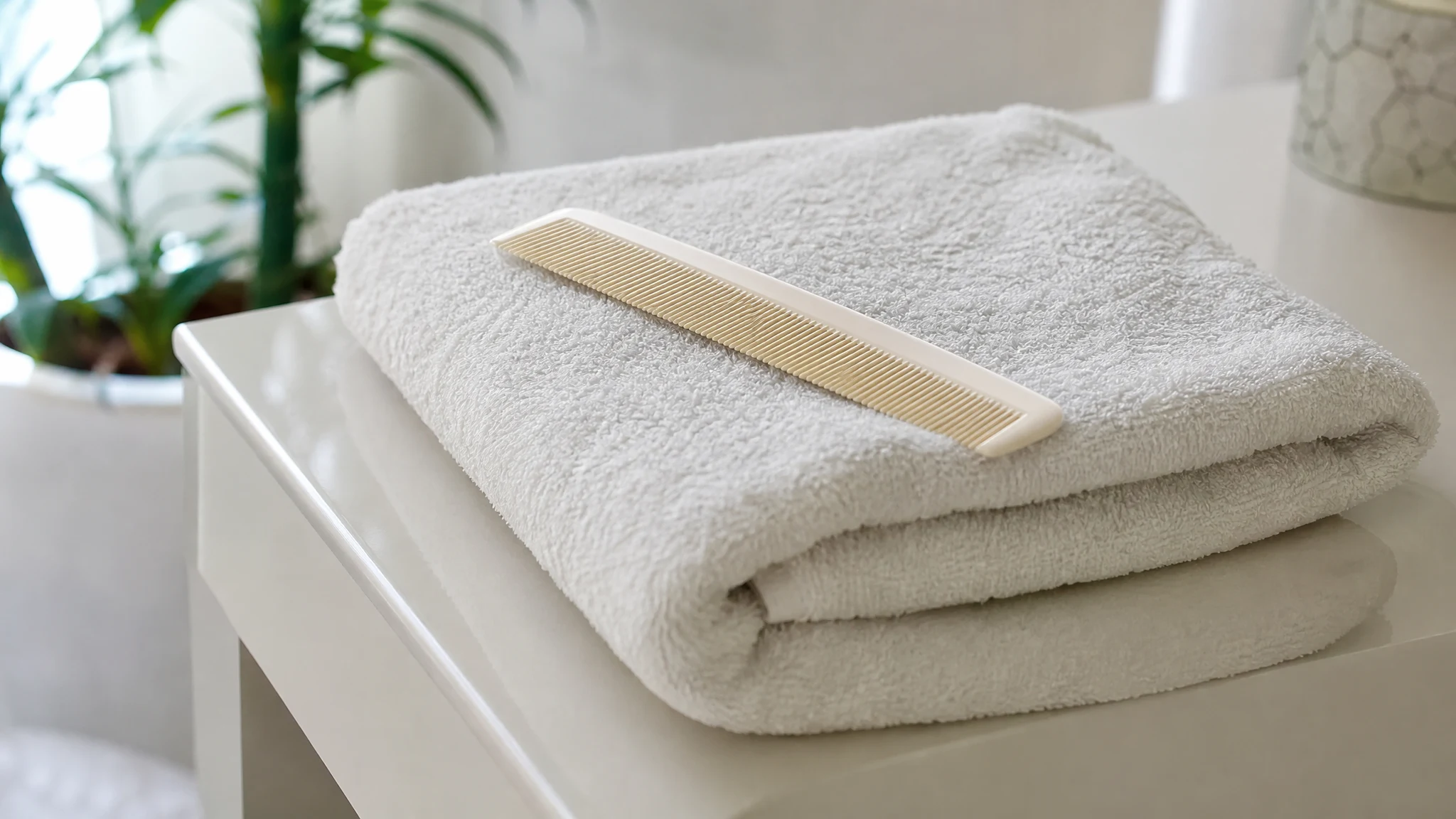
Wet combing is the NHS's first suggestion. Wash the hair with ordinary shampoo, apply plenty of any conditioner, and comb from roots to ends with the detection comb, repeating the whole head a second time. Do it on days 1, 5, 9 and 13 to catch newly hatched lice, then check again on day 17. Short hair takes about ten minutes, and long, frizzy or curly hair 20 to 30. It is not glamorous, but it is the schedule that works with the lice life cycle in mind.
When a lotion is the better tool
If combing is not working or not suitable, the NHS suggests a medicated lotion or spray from a pharmacy and recommends checking the pack for who can use it. The CDC's clinical page sets out the options in the United States. Over-the-counter products include pyrethrins with piperonyl butoxide, for ages two and up, and 1% permethrin lotion, for two months and up. Prescription options include benzyl alcohol, ivermectin, malathion and spinosad. Some products do not kill unhatched eggs, which is why retreatment timing matters, and spinosad is described as killing both live lice and unhatched eggs. The page also notes that lice have developed some resistance to 1% permethrin (CDC). Which product suits which child is a pharmacist or paediatrician question, and it is why we do not try to answer it.
Telling the school and friends
It is natural to feel awkward about letting other parents know, but lice are common and have nothing to do with how clean anyone is, so most people take the news in stride. A short, matter-of-fact message to the people your child has been in close contact with lets them check their own families the same day, which is what the NHS suggests anyway.
Where plant oils land
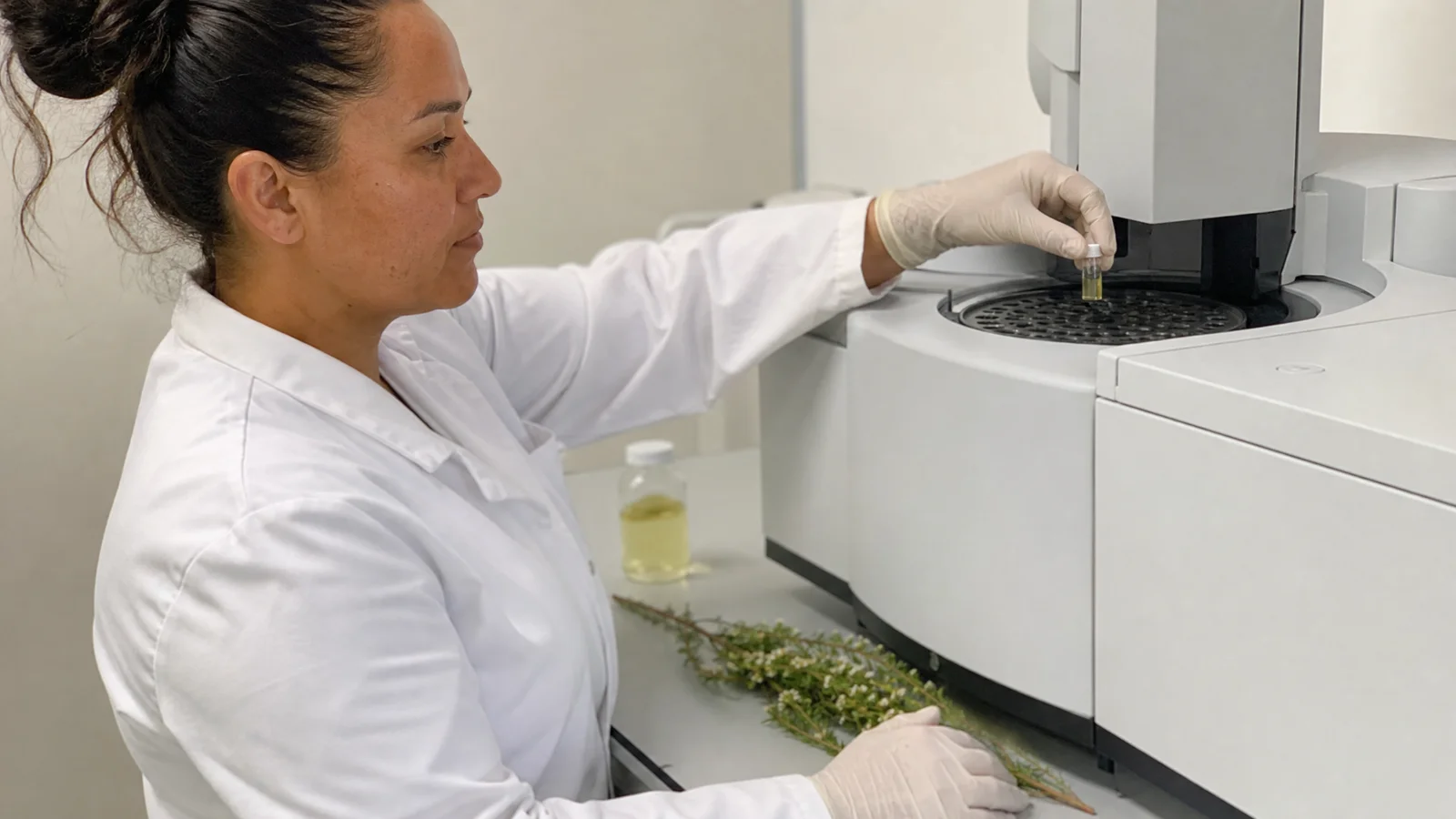
The NHS is direct about home remedies. Among treatments it does not recommend because they are unlikely to work, it lists plant oil treatments such as tea tree, eucalyptus and lavender oil, as well as herbal remedies. We have not found any study of manuka oil on head lice, and a review of the manuka oil literature, which covers a good many other organisms, concludes that clinical evidence in people is limited (Mathew and colleagues, 2020). So there is nothing for us to point to, and we would rather say so than invent something.
Scented oils are best kept for ordinary adult routines, in the evening, when the bottle is within your control and the children are not in the room. If you like a warm, earthy aroma in the house, a small diffuser blend in a room used only by adults is a perfectly pleasant way to enjoy it. Keep the bottle capped and up high either way.
Why we keep this one with the grown-ups
Our manuka oil is sold neat and concentrated. Our guidance is to dilute it to 0.5% to 2% in a carrier for adult skin, to patch test, and to keep it away from eyes, children and pets. A small bottle of concentrated oil is best stored well out of a child's reach, and if one is ever swallowed, call your local poison centre straight away rather than waiting for symptoms. That is a good habit for anything aromatic in a house with young children.
If you came for the scent, our safety basics cover adult patch testing, the weekly scalp routine is written for adults, and the research overview shows what has been studied. We sell a single cosmetic oil, so lice combs, lotions and sprays are a pharmacy trip.
A good comb, a bit of conditioner and a calendar with days 1, 5, 9, 13 and 17 marked will get most families through it calmly.
Manuka Essential Oil
Manuka Essential Oil from our own shop, in sizes from 0.5 oz to bulk.
From $18.99
Shop Now →