Manuka Oil on Cuts? Start With Proper First Aid
A kitchen knife slips, a garden fence bites, and somebody reaches for whatever is in the cupboard. First aid for a minor cut is reassuringly plain, and an essential oil is not part of it.
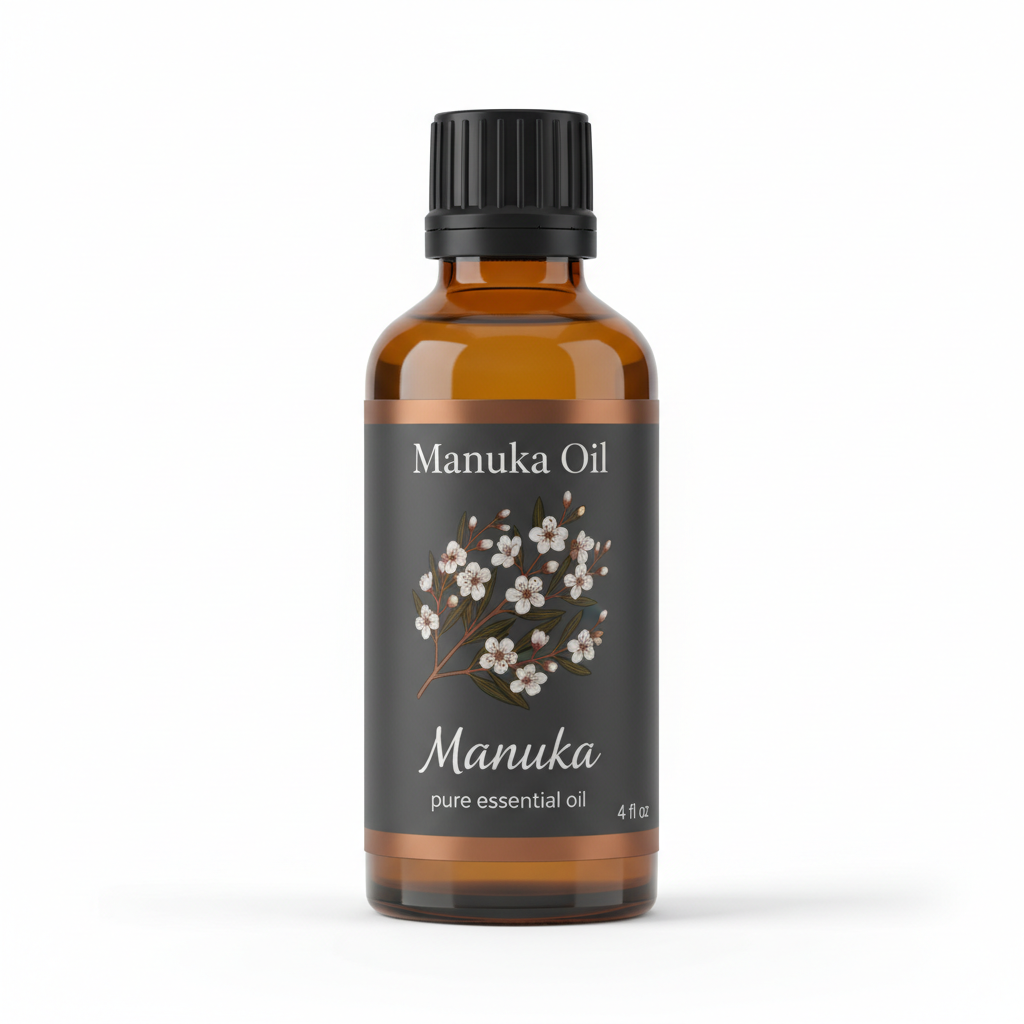
Manuka Essential Oil
Our own Manuka Essential Oil, in sizes from 0.5 oz to bulk.
From $18.99
Shop Now →The first few minutes
The NHS describes three jobs: stop the bleeding, clean the wound, cover it with a plaster or dressing, which helps stop it getting infected. For bleeding, press firmly with a bandage or clean folded cloth and raise the limb. When it has stopped, rinse a small wound with bottled or tap water or sterile wipes, pat it dry, clean the skin around it with soap and water, and cover it. Keep the dressing clean and dry and take it off after a few days, once the wound has closed (NHS). Nothing in that sequence calls for anything scented, and a fragranced product adds one more variable to skin that is already open.
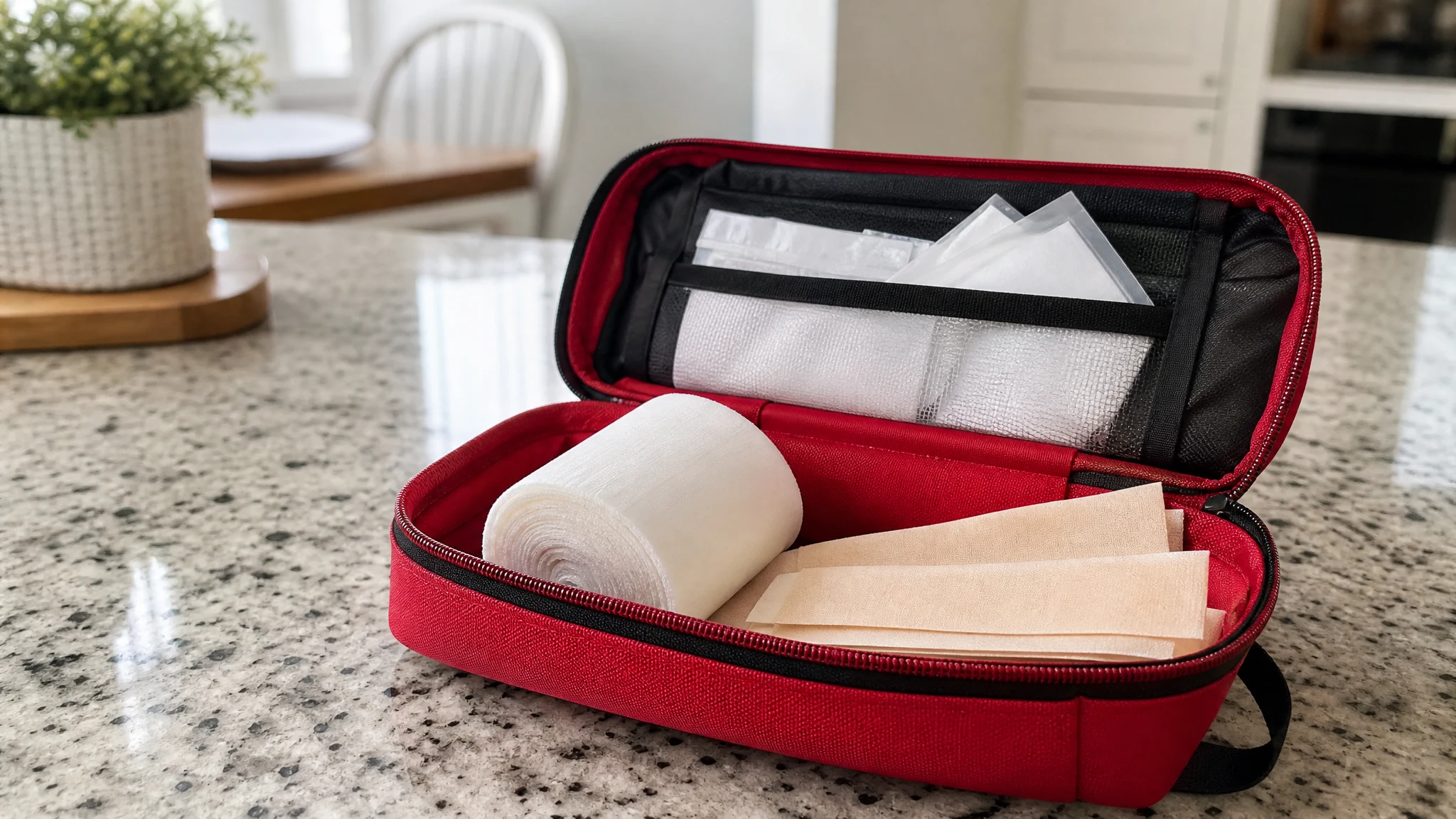
It is worth keeping a small kit where you can reach it: plasters in a few sizes, sterile wipes, a clean cloth and a note of your last tetanus date. Having it ready means that when a cut happens, you do not have to rummage through cupboards while someone is holding a towel to a hand.
Knowing when it is not minor
The NHS asks you to get urgent advice from a GP or NHS 111 if a wound has soil, pus or body fluids in it or is still dirty after cleaning, if you were bitten by a person or a wild or stray animal, if the cut is swollen, red and getting more painful, if it is larger than about 5 cm (2 inches), or if you feel generally unwell or feverish. It says to call 999 or go to A&E if you cannot stop the bleeding, the blood is bright red and spurting, you lose feeling near the wound, it is a bad cut on the face or palm, or something such as glass is stuck in it, which you should not remove yourself.
The tetanus date worth checking
Tetanus bacteria get in through broken skin, usually through injuries (CDC, About Tetanus). The CDC's wound guidance sets the booster timing for people who have completed the primary series. For a clean, minor wound, a dose is advised if the last one was 10 or more years ago. For a dirty or major wound, the threshold is 5 or more years. Nothing more is needed if the last dose was under 5 years ago, and anyone with an unknown or incomplete history should be vaccinated whatever the wound (CDC, wound management guidance). A scrape from garden soil probably leans toward the dirty side, and a clinician decides, so check the date of your last booster before you check the cupboard.
What the manuka oil studies are
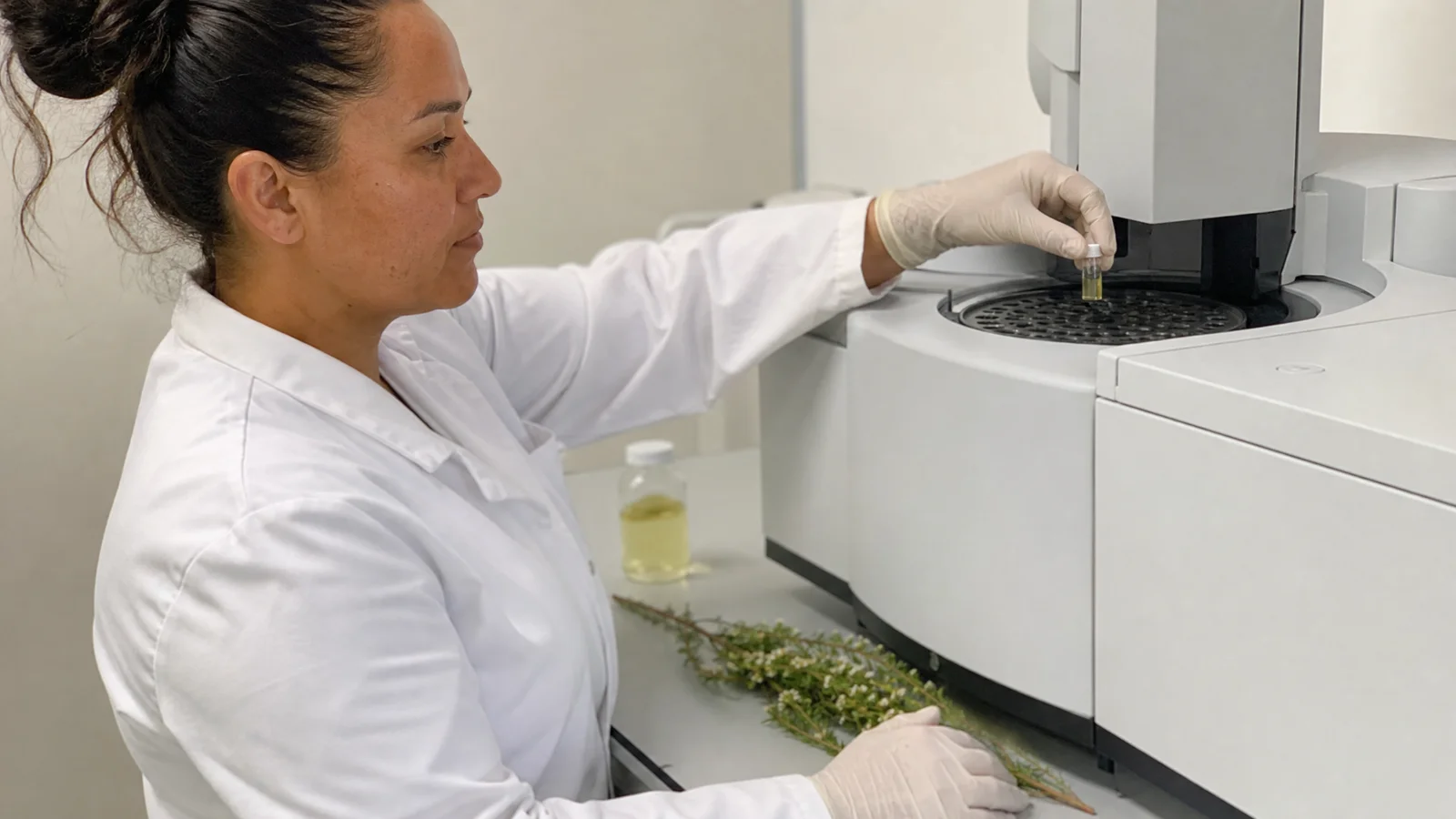
Manuka oil does have a lively laboratory record, and it is natural to wonder whether it connects to cuts. A review of the literature lists minimum inhibitory concentrations against wound-relevant bacteria, including 0.03% against methicillin-resistant Staphylococcus aureus, and also notes that clinical trials are lacking and dosing and toxicology data are limited. Its one wound-adjacent item is a veterinary study of dogs with bacterial skin infection, where an essential oil spray containing manuka was combined with oral antibiotics, which improved healing compared with antibiotics alone (Mathew and colleagues, 2020). That is a mixed product, in dogs, alongside antibiotics, so it is not something to extend to a kitchen cut.
A broth culture is a tidy place. A real wound has blood, tissue fluid, dirt and damaged skin, none of which is in the dish, so the laboratory figures do not translate into an outcome on a person. If you are thinking of manuka honey, that is a different material from the same plant, and our oil versus honey post explains why one's record does not transfer to the other.
After the cut has closed
Once a wound has healed over and the skin is closed, ordinary skin habits come back into play. Even then, new skin can be tender and the area can feel sensitive for a while. You will probably notice that it prefers plain, gentle care for a few weeks. If a scar or an odd patch bothers you, a pharmacist or doctor is the person to ask.
Why open skin is its own question
DermNet notes that damaged skin barriers make further irritation more likely and that allergic contact dermatitis usually appears unexpectedly, after something that was previously tolerated (DermNet, contact dermatitis). Reasoning from that, a cut has no barrier, so a scented material placed on it meets the body more directly than on intact skin. That is our inference rather than a measured rate for manuka oil, and it is why our guidance (0.5% to 2% in a carrier, patch test first, away from eyes, children and pets, not for internal use) is written for intact skin only.
Plasters, wipes and dressings come from a pharmacy, because we sell a single cosmetic oil. Our side effects post covers what to watch for with ordinary skin use, and the antibacterial research page shows how to read those laboratory numbers.
Keeping the kitchen and garden safer
Many minor cuts have small, avoidable causes: a dull knife, a wet chopping board, garden gloves left in the shed. A sharp knife is safer than a blunt one because it needs less force, and a pair of gloves takes the sting out of pruning. These are ordinary things, but they are worth more than anything in the cupboard.
Water, pressure, a clean cover and an up-to-date tetanus record is the whole plan, and it works wonderfully.
Manuka Essential Oil
Manuka Essential Oil from our own shop, in sizes from 0.5 oz to bulk.
From $18.99
Shop Now →