Using Manuka Oil While Pregnant: What to Ask First
If you are pregnant and wondering about manuka oil, the most useful thing we can tell you is who should answer. Your obstetrician or midwife knows your history; we sell a cosmetic oil for aroma and external use, and we would rather point you to the right person than hand you a verdict. What we can do is lay out what the sources say, because there is more nuance than a yes or no.
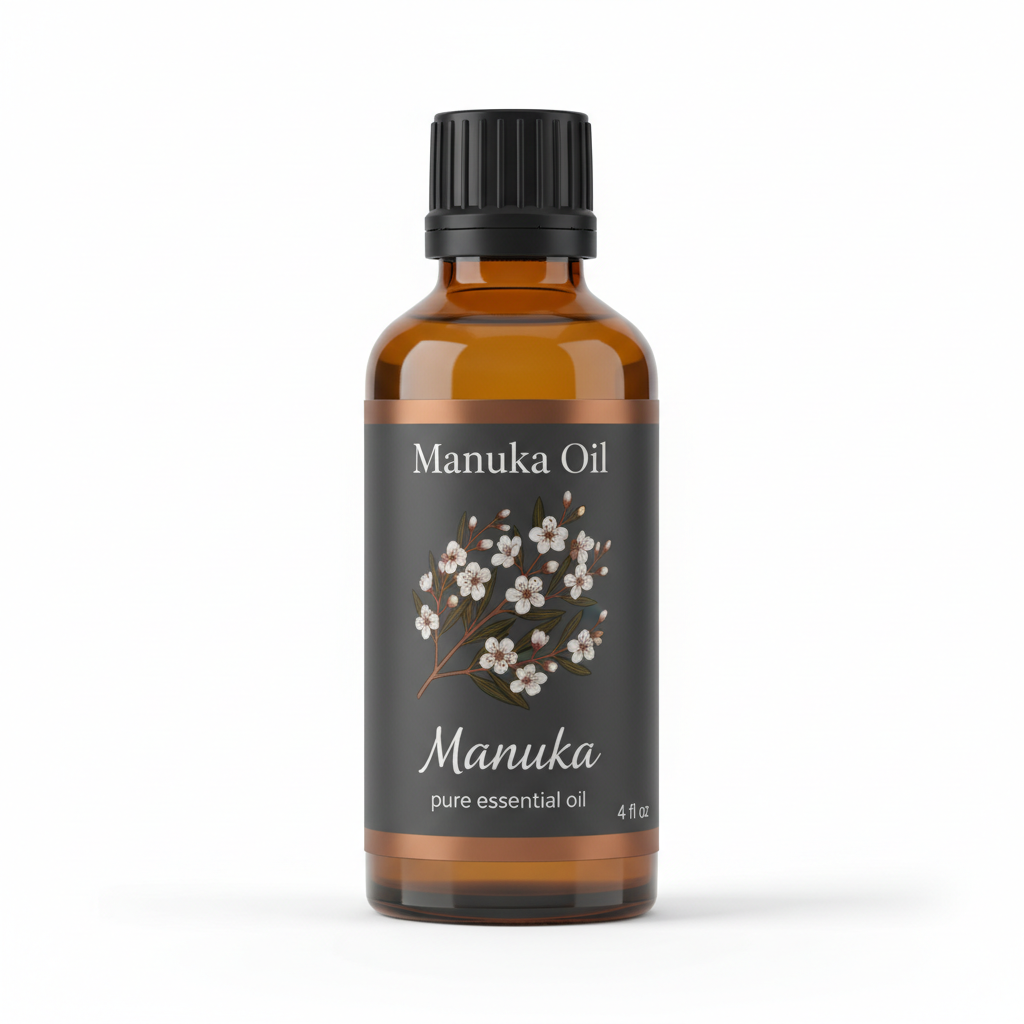
Manuka Essential Oil
Our own Manuka Essential Oil, in sizes from 0.5 oz to bulk.
From $18.99
Shop Now →What the general guidance says
The Tisserand Institute, a respected training body in aromatherapy, lists pregnancy among the situations where you should seek advice from a doctor or suitable practitioner before using essential oils at all. It speaks about essential oils as a group, not manuka in particular, and it is the sensible starting point for any oil in the cabinet.
The National Center for Complementary and Integrative Health takes a gentler tone on a different oil. Its tea tree page says that tea tree products used topically may be safe during pregnancy and while breastfeeding, and that tea tree oil should not be swallowed. That is useful context, but it is about tea tree, which has different chemistry and a much larger body of research. We would not borrow it for manuka.
The one manuka-specific note
A 2020 review of manuka oil by Mathew and colleagues advises against using the oil as a relaxant in childbirth, based on laboratory observations of its effect on isolated tissue. It is a caution drawn from lab work, not a human study, and it concerns labor specifically. The same review points out that clinical trials of manuka oil are lacking, so dosing and toxicology information is limited. In plain terms, the evidence is thin, and thin evidence is a good reason to involve a professional rather than guess.
One more thing worth knowing: the difference between irritation and allergy. Irritation tends to follow exposure and fade, while allergy can appear later and return with smaller amounts, which is another reason to ask before starting anything new.
If you are in the first weeks and not ready to share your news, a pharmacist can still answer a general question about a product without anyone needing to know why. Many people find that is a gentle way to start.
It can also help to ask who in your care team is the best person for a question like this. A midwife, an obstetrician and a pharmacist each see a different slice of the picture, and a quick call to the right one saves you waiting for the wrong appointment.
Questions worth bringing to your appointment
Because the written guidance is general, the most useful thing is a specific conversation. You might ask whether any essential oil on the skin is fine for you at all, whether a diffuser in the room changes the answer, and whether anything about your pregnancy, such as a skin condition or asthma, shifts the advice. The Tisserand Institute names exactly those conditions, along with epilepsy, as reasons to check first. If you are breastfeeding, ask the same questions; the NCCIH sentence about breastfeeding covers tea tree products only.
Scent can wait
It is perfectly all right to put the bottle on a shelf for a while. Aroma is a pleasure, not a necessity, and nothing about manuka oil is time sensitive. A tightly capped bottle kept cool and dark will be there when you are ready, and our shelf-life guidance for that is typically two to three years.
How our oil fits in
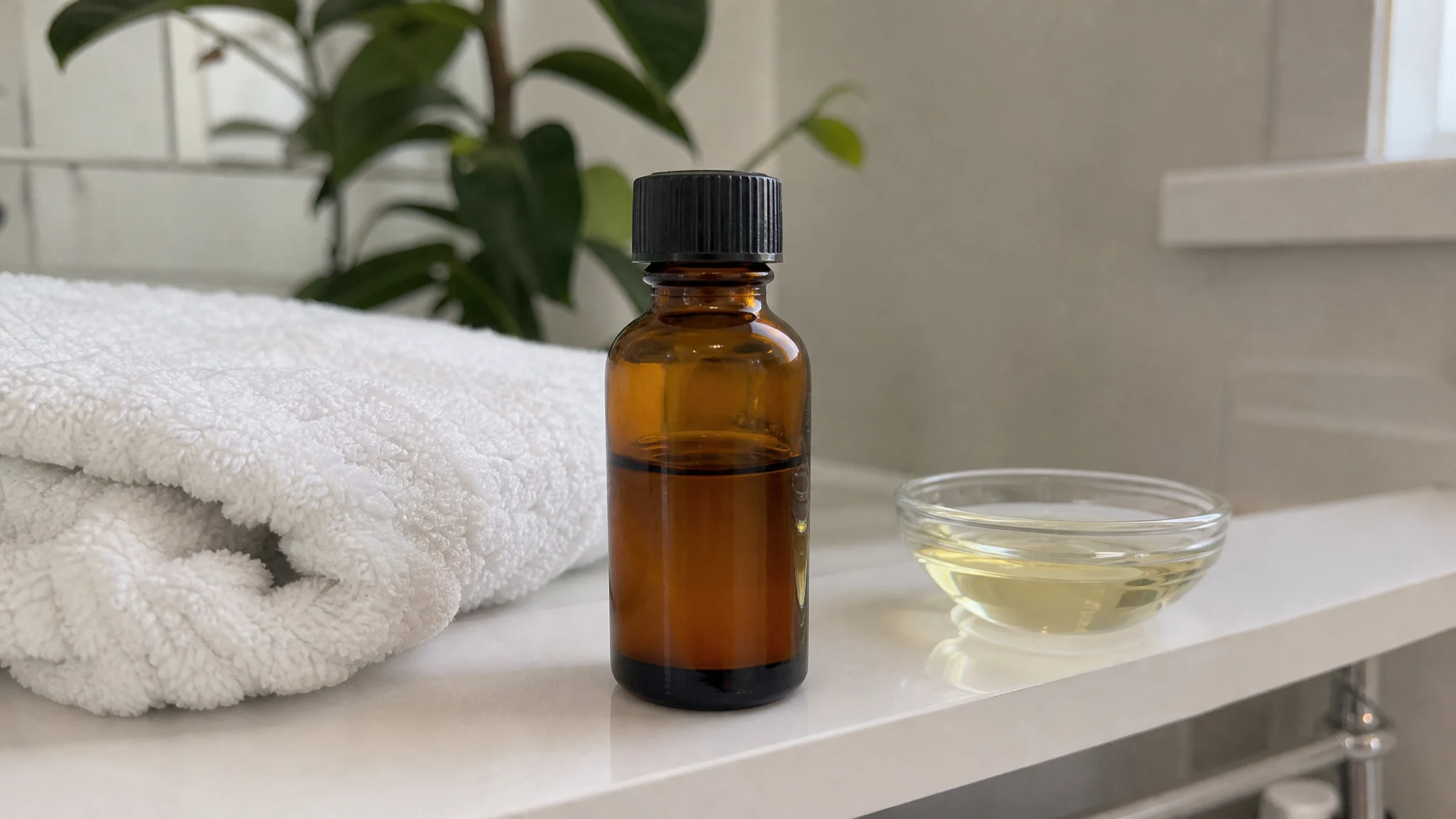
Our manuka oil is sold neat, and our general guidance for adult skin is 0.5% to 2% in a carrier oil with a patch test first. That is general guidance, not a pregnancy dilution, and we do not offer one. Skin can behave differently in pregnancy, so if something new is itching or changing, ask your clinician before adding another product. We also keep the aroma conversation separate from health: we do not claim manuka oil helps with nausea, sleep or anything else, and the FDA looks at the claims made for an aromatherapy product when it decides whether the product is a cosmetic or a drug.
Two practical rules apply to everyone, pregnant or not. The oil is never swallowed, and the bottle stays out of reach of children and pets. Our swallowing article explains what to do if that goes wrong, and the side effects article describes how delayed skin reactions show up, usually a day or three after exposure.
Write down the questions before the appointment, since they have a way of vanishing once you are in the room. Bring the bottle if you can. Clinicians like specifics, and a label with the name of the oil, the botanical name and the batch number is a useful thing to put in their hands.
Making the conversation easy
If you do want to ask, bring the details. The botanical name is Leptospermum scoparium, the oil is a single-ingredient steam-distilled oil with nothing added, and the batch number is on the bottle. A pharmacist can also check any oil against medicines you already take. Our FAQ collects the other questions people tend to ask before they start.
If you share a home with the oil
If someone else in the house uses the oil, keep an eye on where it is stored and how it is used. A bottle kept tightly capped in a cupboard does not scent a room by itself, and a diffuser is something you can ask about before it goes on. A short, friendly conversation at home is part of the plan too.
Pregnancy is a season for borrowing as little risk as possible, and nobody will think less of you for waiting on the oil until you have heard from your clinician.
Manuka Essential Oil
Manuka Essential Oil from our own shop, in sizes from 0.5 oz to bulk.
From $18.99
Shop Now →Sources & Further Reading
- How to Use Essential Oils Safely, Tisserand Institute
- Tea Tree Oil: Usefulness and Safety, NCCIH
- Mānuka Oil-A Review of Antimicrobial and Other Medicinal Properties, Pharmaceuticals (Basel), 2020
- Aromatherapy, FDA