Where to Buy Manuka Oil: What to Ask First
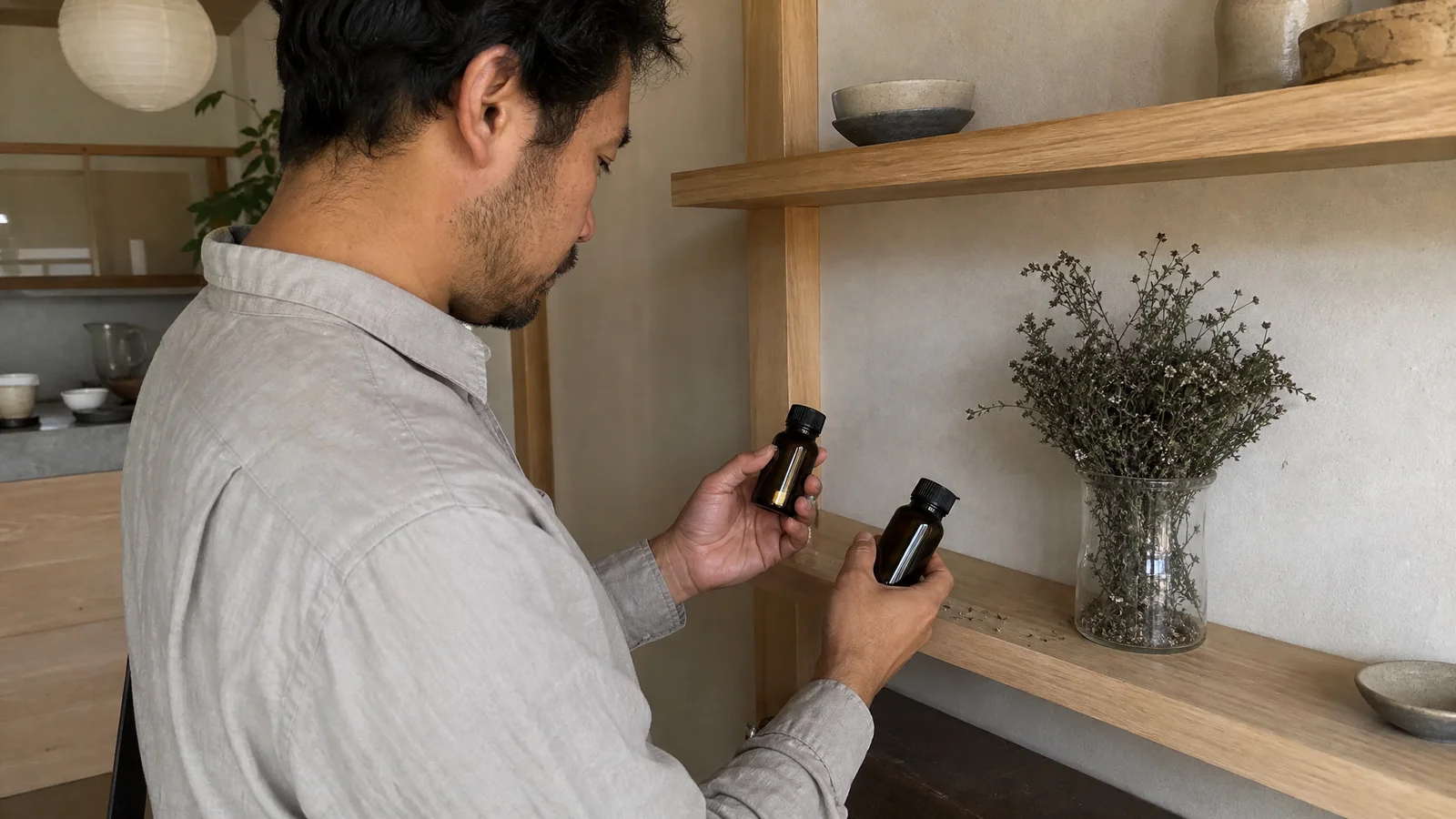
Nobody can tell a good manuka oil from a poor one by looking at the shelf it sits on. A tidy shop and a polished website both look the same from the outside, so the smarter question is not where to buy but what the seller will put in writing about the lot you receive. Here is how we would think about it, starting from what you want the oil for.
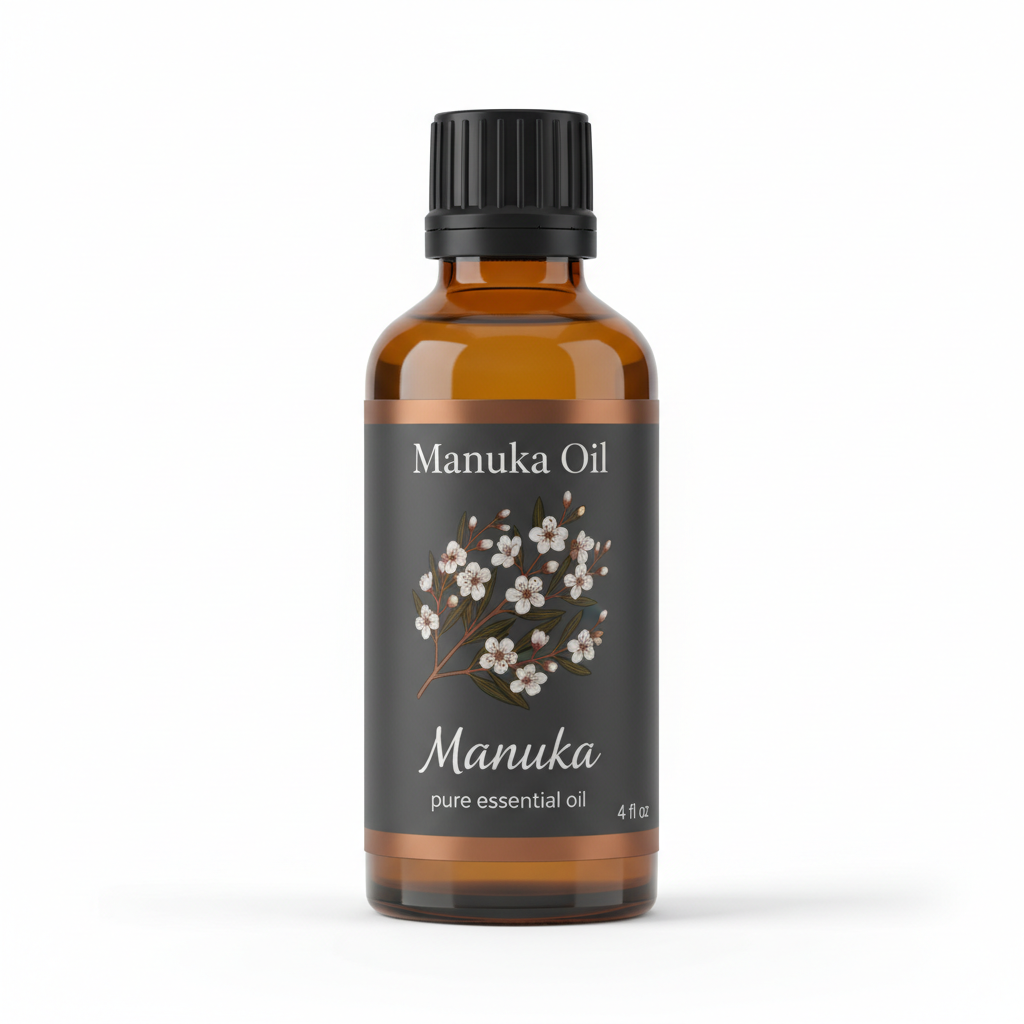
Manuka Essential Oil
Our own Manuka Essential Oil, in sizes from 0.5 oz to bulk.
From $18.99
Shop Now →Start from the use
You just want to smell it. For a diffuser blend or a first impression, composition hardly matters and a small bottle is plenty. A shop that lets you open a tester is a lovely way to meet manuka, and any online seller with a small size works too. We describe the aroma as earthy, honeyed and warm with a slightly spicy edge, while the certificate we publish for one batch records "Sweet, Honey, Herbal". Smelling a sample yourself beats either description.
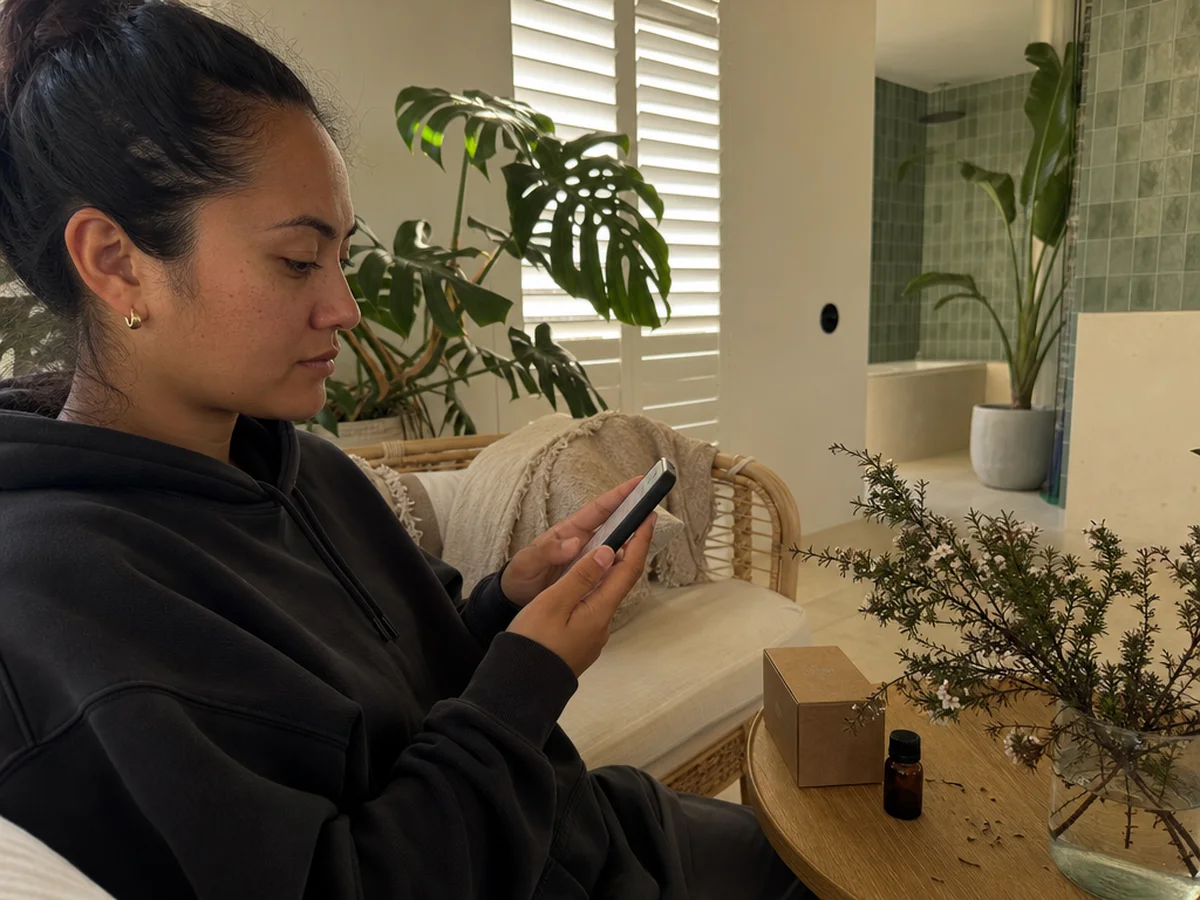
You are making something for skin. Now it is worth buying from a seller who can give you the botanical name, the lot and whatever has been measured. Our undiluted use article and carrier oil guide cover the dilution side.
You formulate or resell. Treat it as procurement: ask for a sample, the batch document and the specification, all in writing. Our buying guide goes through quality questions in full.
What a label has to show, and what it does not
In the United States the FDA lists what a cosmetic label must carry: an identity statement, net quantity, the name and place of business, any needed warnings and, for retail sale, the ingredients. It does not pre-approve cosmetic labels, and the manufacturer or distributor is responsible for them. The page we read does not require a botanical name, a chemotype, an origin or a test result. So anything beyond the basics on a manuka bottle is the seller's own choice, which makes the questions you ask more important than the logo on the box.
A rough guide to where the checking falls, from our own reasoning rather than any survey of sellers:
- Local shop: you can smell and handle the bottle, and ask for the lot number on the spot.
- Online specialist: check the listed documents and the return policy, and make sure any document matches the lot that will reach you.
- Marketplace listing: find out who actually fills the bottle, since the listing is not a label.
- Producer or wholesaler: often the most complete paperwork, so ask for the method and laboratory behind any figure.
None of these is a verdict on a type of seller. A small shop can stock a very well-documented oil and a marketplace seller can document brilliantly. The list just says where the homework lands.
Why identity comes first
"Manuka" gets used loosely. A 2020 review reports that Australian-grown Leptospermum scoparium gave oil with more monoterpenes and almost no triketones compared with New Zealand samples, and that kanuka, a different tree, gives an oil of about 75% alpha-pinene. Within New Zealand, a survey of 261 plants at 87 sites found a triketone-rich type concentrated on the East Cape and ten further chemotypes elsewhere. So the same Latin name can still mean quite different oils, and a similar name can mean another oil altogether. Our manuka versus kanuka article untangles the names.
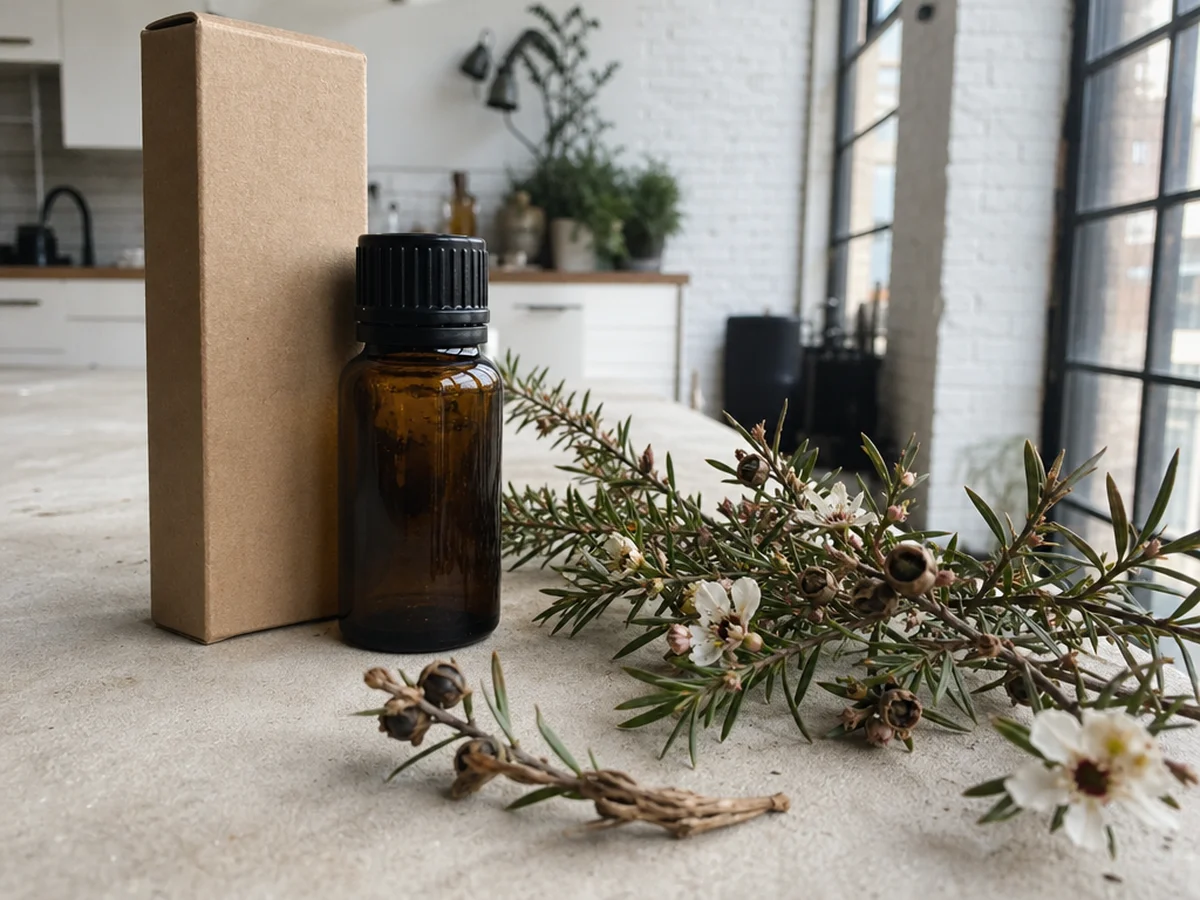
Dilution with a cheap carrier oil is harder to spot. A 2021 study of lavender, lemon and tea tree oils found that adding a vegetable oil leaves the normalised marker percentages unchanged, so catching it takes absolute quantitation against a reference profile. That study did not involve manuka, but it shows why a quantitative, lot-specific document is more reassuring than a nice-looking bottle. Our checks article explains what each answer can and cannot prove.
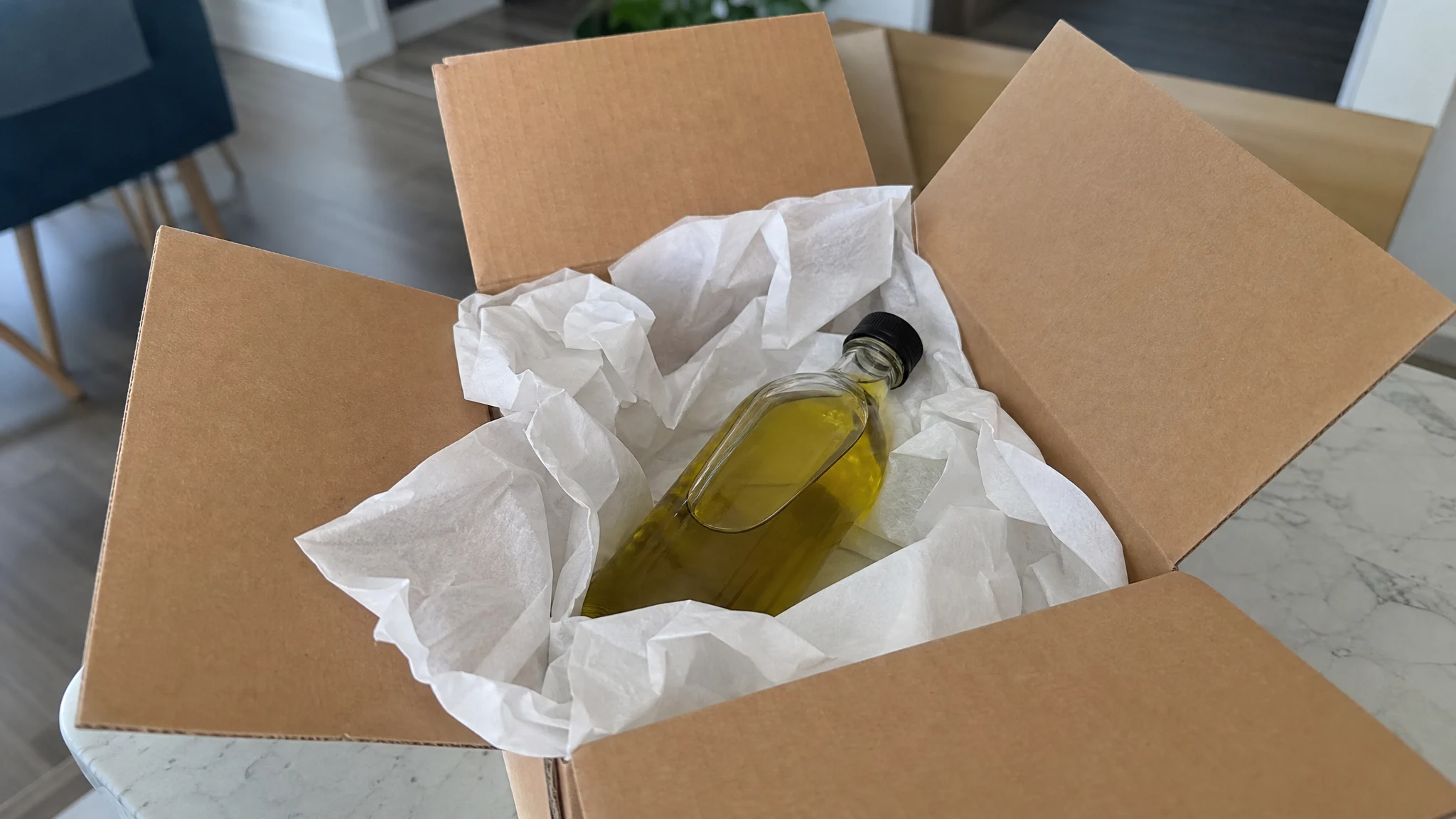
Our suggestion is to send your questions before you order, not after the parcel is open. How a seller answers, how quickly and how clearly, tells you a good deal about how they will handle a problem later.
Five questions worth asking in writing
- What is the botanical name, and which plant part and process does this lot come from?
- What is the lot number, and does your document match it?
- What was measured (density, GC-MS, triketones), by which method and which laboratory?
- Is each figure a literature range or a measurement of this lot?
- What happens if the oil does not match the description?
Keep the replies by message or email so you have them later.
Where we fit in
We sell one product, Manuka Essential Oil (Leptospermum scoparium), in 0.5, 1, 2, 4, 8 and 16 oz bottles and in 5, 25 and 400 lb bulk sizes. Orders ship within 1 to 2 business days, and our shop, bulk and wholesale pages carry the current details, including sample bottles for anyone planning to buy volume. The Certificate of Analysis we publish covers one batch and lists physical measurements, not GC-MS or triketone figures. If you need those, ask us in writing through our contact page before ordering.
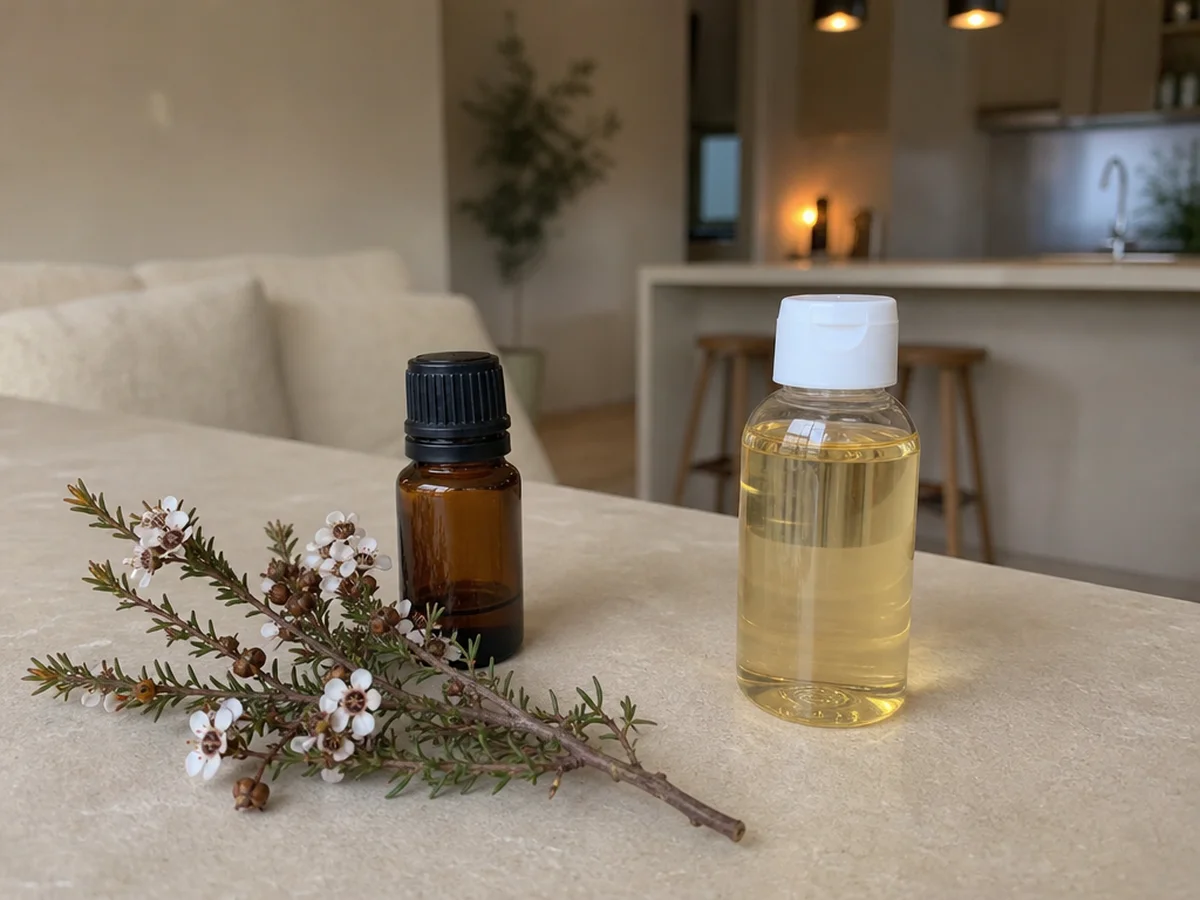
We do not sell carrier oils, butters, waxes, tea tree or other essential oils, so for those a pharmacy, a craft or soap-supply shop or a grocery store is the place to go. And if your plan involves a health or skin condition, a dermatologist or physician is the right person to ask. The FDA treats claims on a label or website as evidence of intended use, so a seller promising relief of a condition is telling you something about the seller.
The simple version: decide what the oil is for, buy the smallest size that covers it, and ask for the lot's paperwork before you pay.
Whichever route you take, give yourself a day with the bottle before you plan anything big: open it, smell it, and see whether it is what you expected. A good seller will not mind your questions, and a good oil will not mind being looked at closely.
Manuka Essential Oil
Manuka Essential Oil from our own shop, in sizes from 0.5 oz to bulk.
From $18.99
Shop Now →Sources & Further Reading
- FDA. Cosmetics Labeling Regulations. fda.gov
- FDA. Is It a Cosmetic, a Drug, or Both? (Or Is It Soap?). fda.gov
- Mathew C et al., 2020. Mānuka Oil-A Review of Antimicrobial and Other Medicinal Properties. PMC7694078
- Douglas MH et al., 2004. Essential oils from New Zealand manuka: triketone and other chemotypes of Leptospermum scoparium. pubmed.ncbi.nlm.nih.gov/15184010
- Capetti F et al., 2021. Adulteration of Essential Oils: A Multitask Issue for Quality Control. Three Case Studies: Lavandula angustifolia Mill., Citrus limon (L.) Osbeck and Melaleuca alternifolia (Maiden & Betche) Cheel. PMC8471154