How Is Manuka Oil Made? Steam, Yields and Bottling
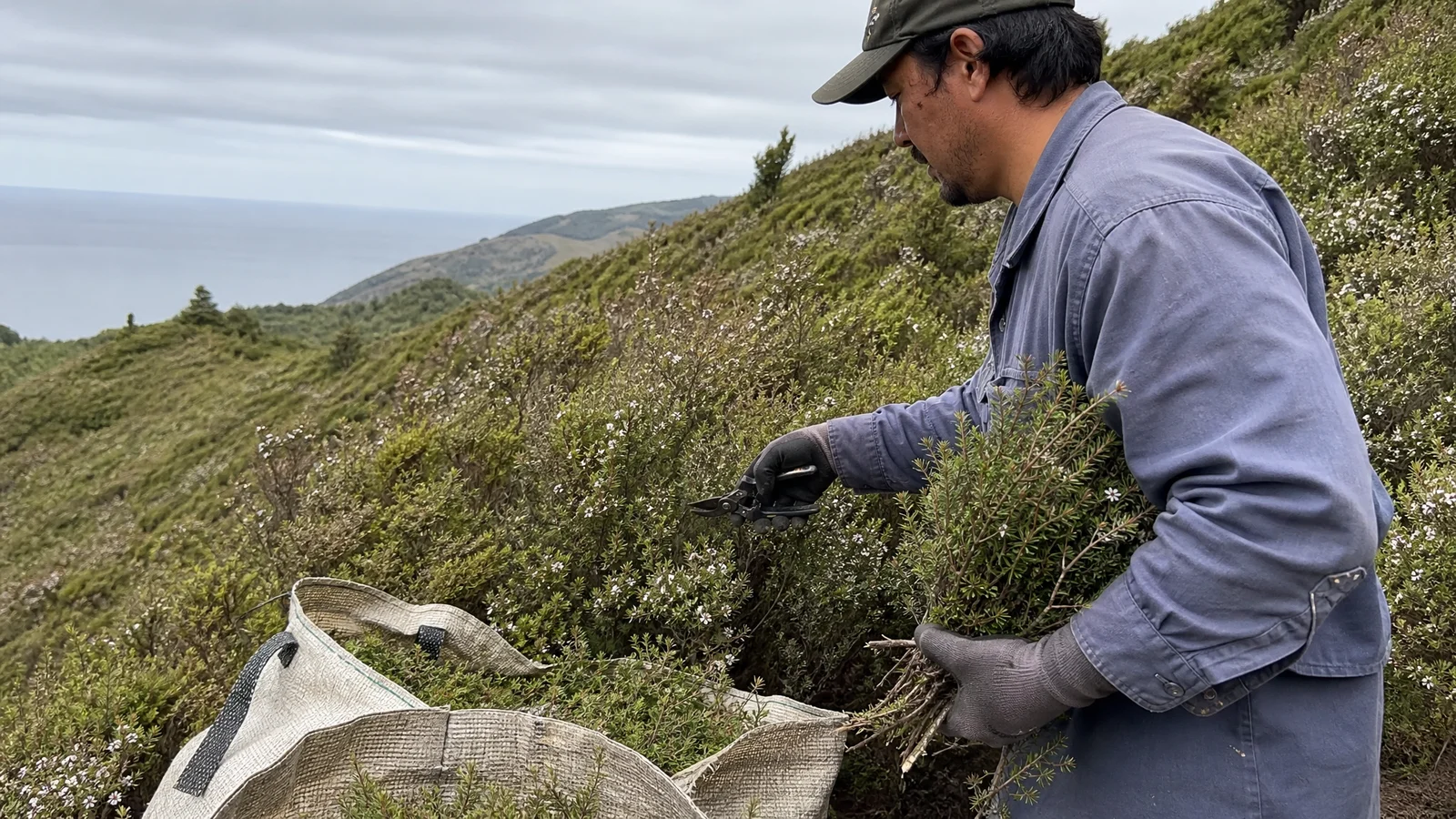
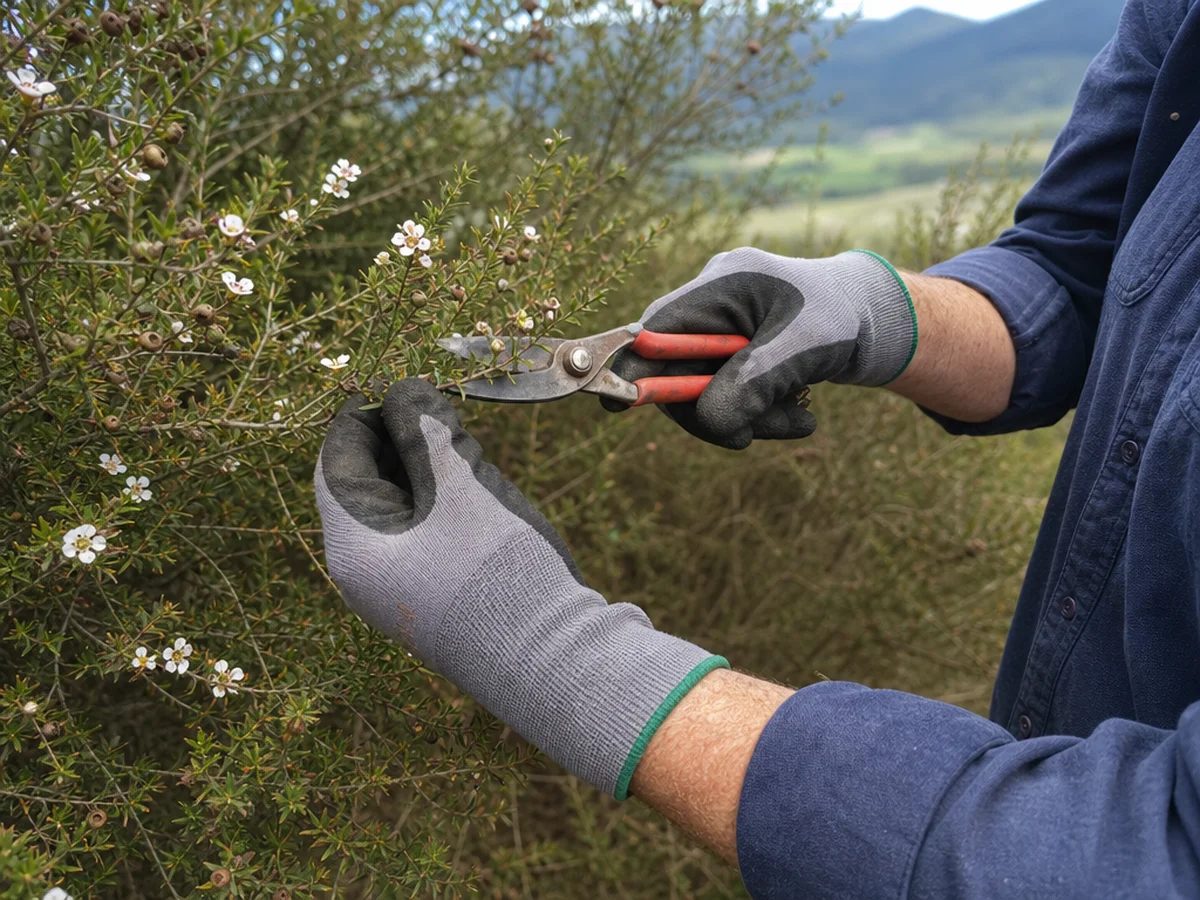
A hillside shrub goes in, a small amber-glass bottle comes out, and in between there is steam. Manuka oil is one of those products where the process is simple to describe and surprisingly interesting to think about, because it explains both the scent in the bottle and why a little oil goes a long way.
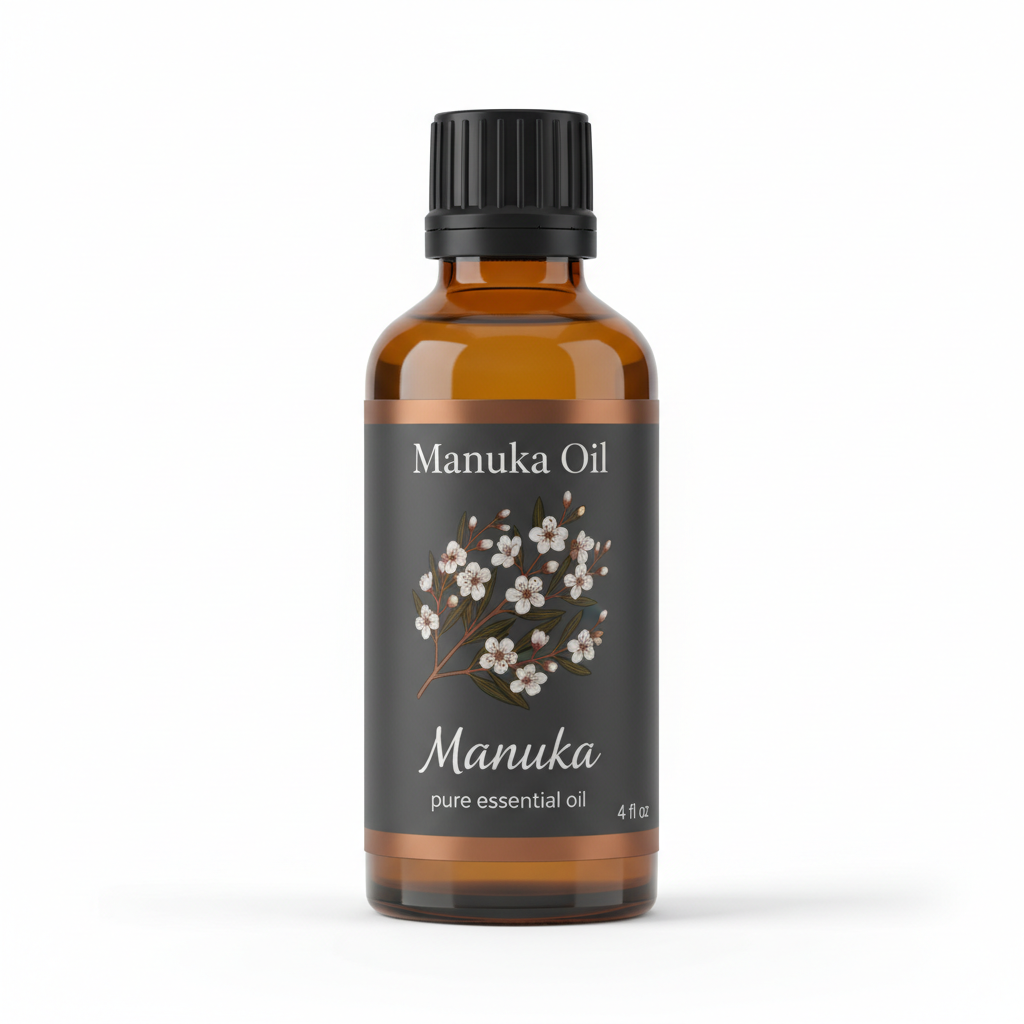
Manuka Essential Oil
Our own Manuka Essential Oil, in sizes from 0.5 oz to bulk.
From $18.99
Shop Now →What the steam does
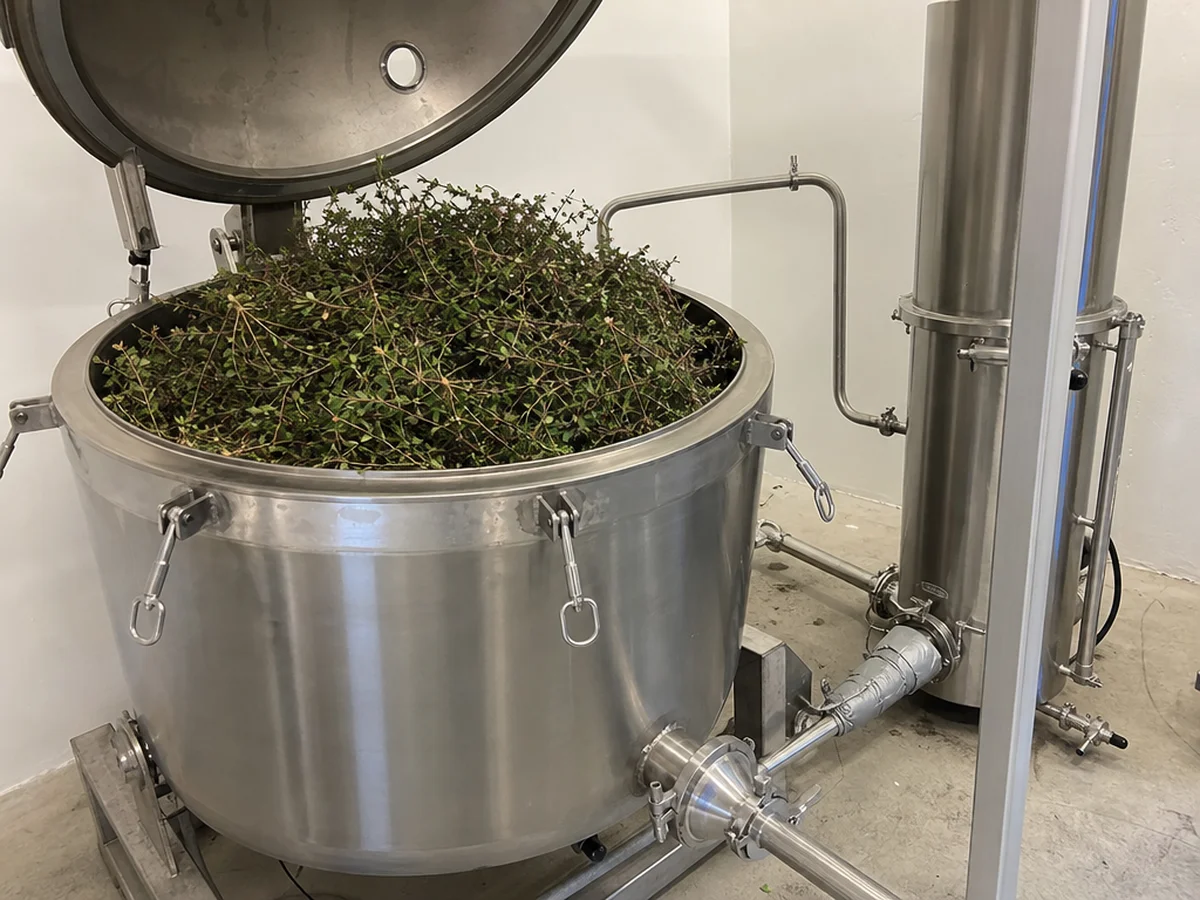
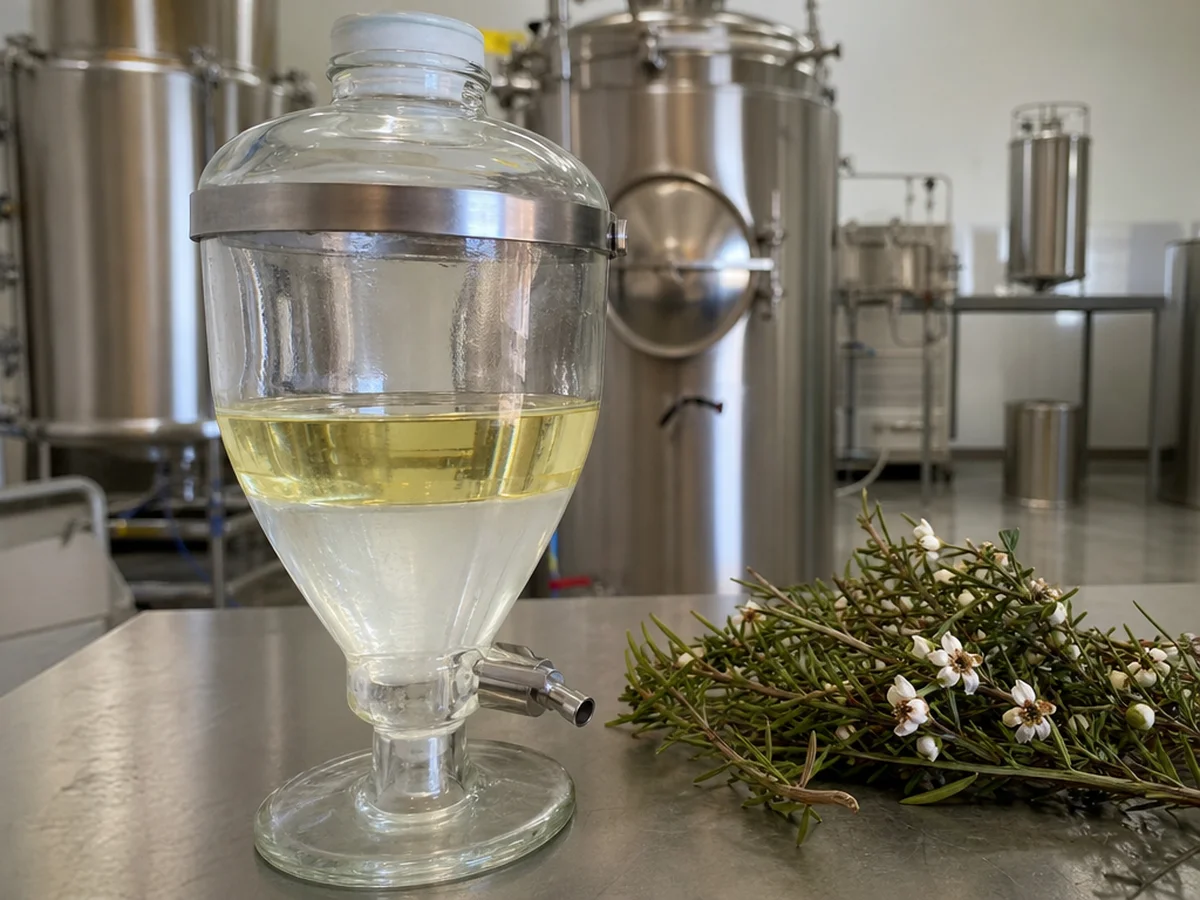
Our oil is steam-distilled from the leafy branches of Leptospermum scoparium, with steam rather than solvents. The idea is straightforward. Steam passes through the plant material, the heat and moisture open up the plant's oil-holding structures, and the aromatic compounds rise with the steam. When it cools, the oil separates from the water and is collected. A 2022 review of plant extraction methods describes it this way: steam treats the plant material directly, and the volatile compounds are vaporised, condensed and gathered (Kapadia et al.).
The same review notes that distillation is selective in its own way: it takes what travels with steam, and compounds that dissolve in water or do not vaporise stay behind. So an essential oil is the steam-volatile part of the plant, which is exactly what makes it an aroma ingredient.
Why a bottle takes so much plant
A 2020 review of manuka oil gives yields of 0.2 to 1%, depending on season and geography (Mathew et al.). It does not say what the percentage is of, so we read it as the weight of the plant material, which is the usual convention. On that reading, the arithmetic is striking:
| Oil | Weight | Plant at 1% yield | Plant at 0.2% yield |
|---|---|---|---|
| 1 oz bottle | about 26.5 g | about 2.7 kg | about 13 kg |
| 1 lb | about 454 g | about 45 kg | about 227 kg |
The weights use the relative density of 0.896 on our Certificate of Analysis. In other words, a small bottle represents several kilograms of cut leaf and branch, which helps explain why manuka oil feels like a more precious thing than its size suggests.
Picturing the process
It helps to picture it at kitchen scale. Think of a covered pot with a rack above the water: the steam rises, passes through whatever sits on the rack, and carries the aroma up with it. Distillation of leaf and branch material works on the same idea, only larger. Nothing is burned and nothing is dissolved in a solvent, which is a big part of why the aroma that reaches the bottle still smells like the plant it came from.
What you will notice in the bottle
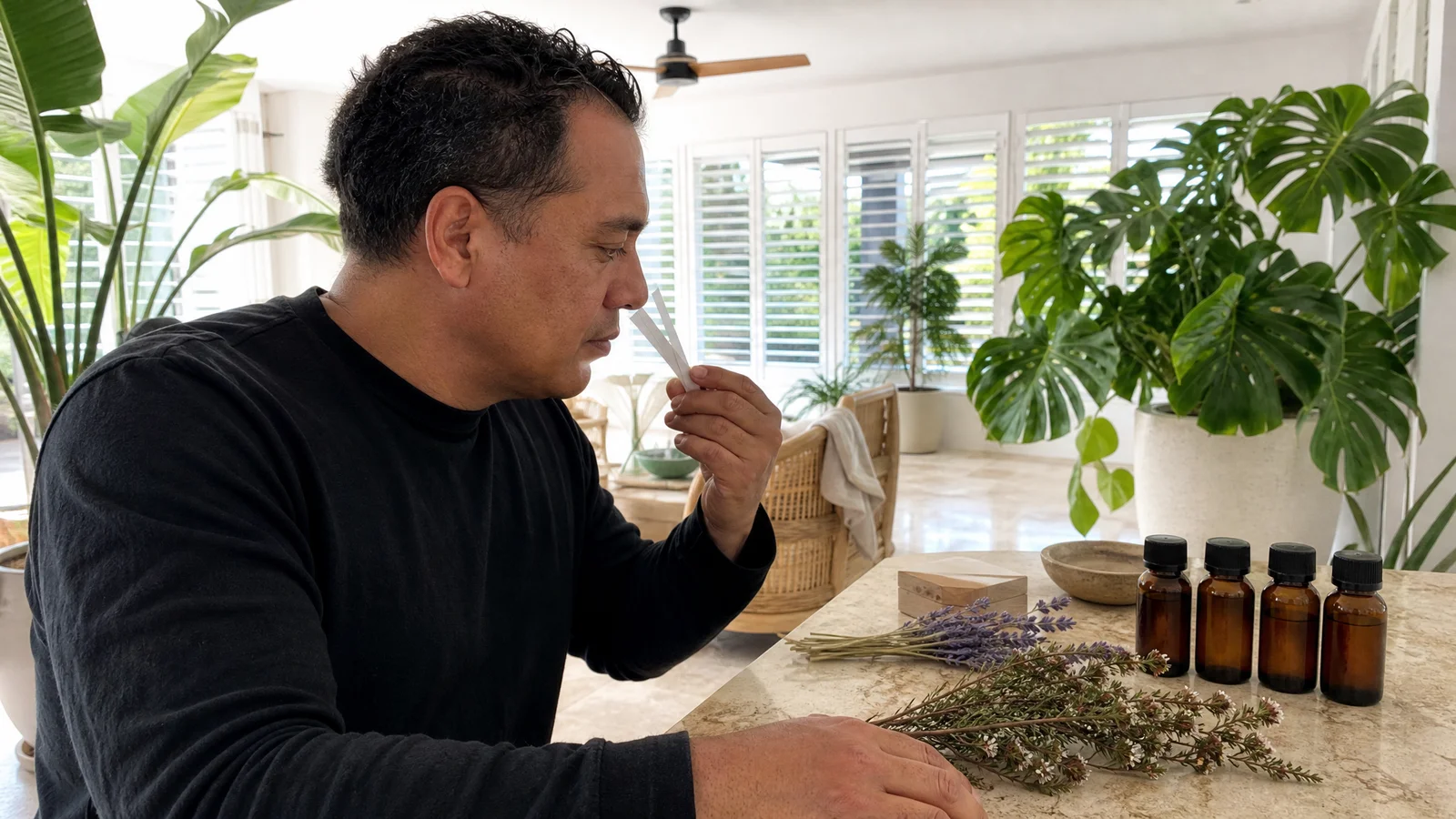
When you open a bottle of ours, give it a moment before you judge it. We describe the aroma as earthy, honeyed and warm, with a slightly spicy edge, and it feels deeper and sweeter than tea tree. It is a heavier, lower note, so it tends to sit under lighter oils in a blend rather than leap out of the bottle. A drop or two goes a long way, and the first sniff from a few inches away tells you more than one from right under your nose.
What stays in the pot
One tidy example of the selectivity comes from a 2024 study. Researchers took manuka leaf and branch material that had already been distilled for oil and found the leftover plant a good source of grandiflorone, a non-volatile compound of the triketone family, which they extracted with methanol and then tested in the lab (Xu et al.). That was a laboratory extract of a by-product, not manuka oil, but it shows the principle nicely: the bottle holds the aromatic fraction, and the plant has more chemistry than the oil carries.
Why oils from the same plant can differ
The plant itself is the biggest variable. A survey of 261 plants from 87 New Zealand sites found a triketone-rich type concentrated on the East Cape and ten other chemical types elsewhere (Douglas et al.). Season and place shape the harvest, and the Mathew review calls for standardisation of manuka oil. If you are choosing for a specific project, our articles on origin and on the triketones go further.
That is also why the yield figures are worth keeping in mind when you compare sizes. Larger sizes simply represent more cut material, and the oil in each is the same steam-distilled oil.
If you like to understand where things come from, we recommend keeping the numbers in the yield table in mind next time you hold a small bottle. A thumb-sized amber bottle is the end of a long chain of cut branches, steam and patience, and treating it that way, with a tight cap, a cool shelf and a little respect when you measure drops, is the best way to enjoy it.
From still to shelf
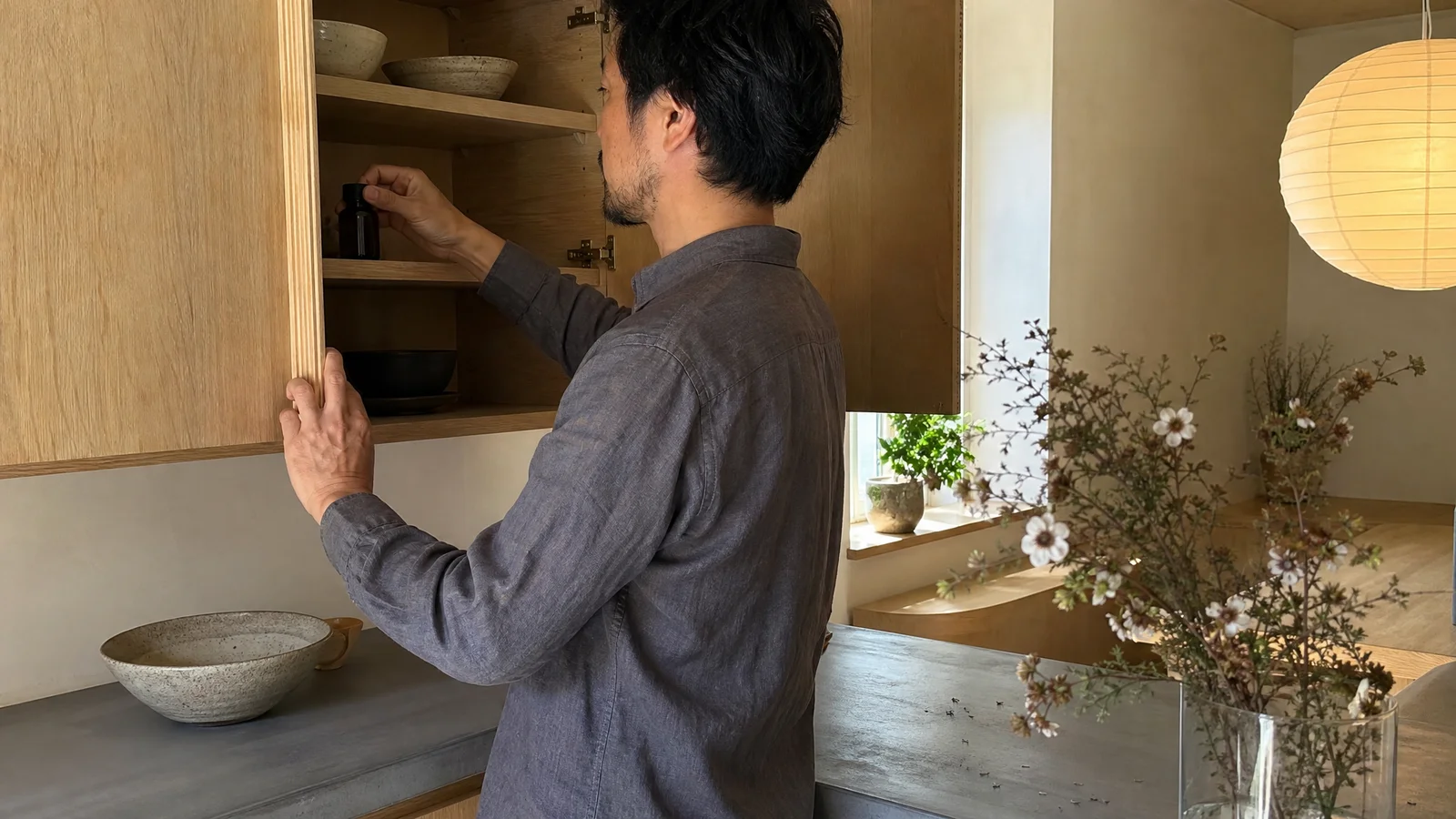
After distillation, the oil is bottled and kept away from heat and light, which is why we use amber glass. The Certificate of Analysis for one batch lists the plant part as leaf, a best-by date of 11/30/2027, a clear liquid and a "Sweet, Honey, Herbal" smell, along with density, refractive index and optical rotation. If you need other documentation, such as GC-MS, ask us in writing through our contact page before you order. We also suggest reading the certificate walkthrough to see how each line is used.
Once you know what goes into a bottle, it is easy to see why a drop or two is plenty.
Manuka Essential Oil
Manuka Essential Oil from our own shop, in sizes from 0.5 oz to bulk.
From $18.99
Shop Now →Sources & Further Reading
- Extraction of High-Value Chemicals from Plants for Technical and Medical Applications, Int J Mol Sci, 2022
- Mānuka Oil-A Review of Antimicrobial and Other Medicinal Properties, Pharmaceuticals (Basel), 2020
- TLC-Bioautography-Guided Isolation and Assessment of Antibacterial Compounds from Manuka (Leptospermum scoparium) Leaf and Branch Extracts, Molecules, 2024
- Essential oils from New Zealand manuka: triketone and other chemotypes of Leptospermum scoparium, Phytochemistry, 2004