Buying Manuka Oil: 5 Questions to Ask First
The easiest way to overspend on manuka oil is to start with the price tag or the region and work backwards. It goes better the other way round: work out what you want the oil for, make sure you are getting the right plant, ask what comes with the bottle, and size your first order to the project. Five questions cover it, and each one is short.
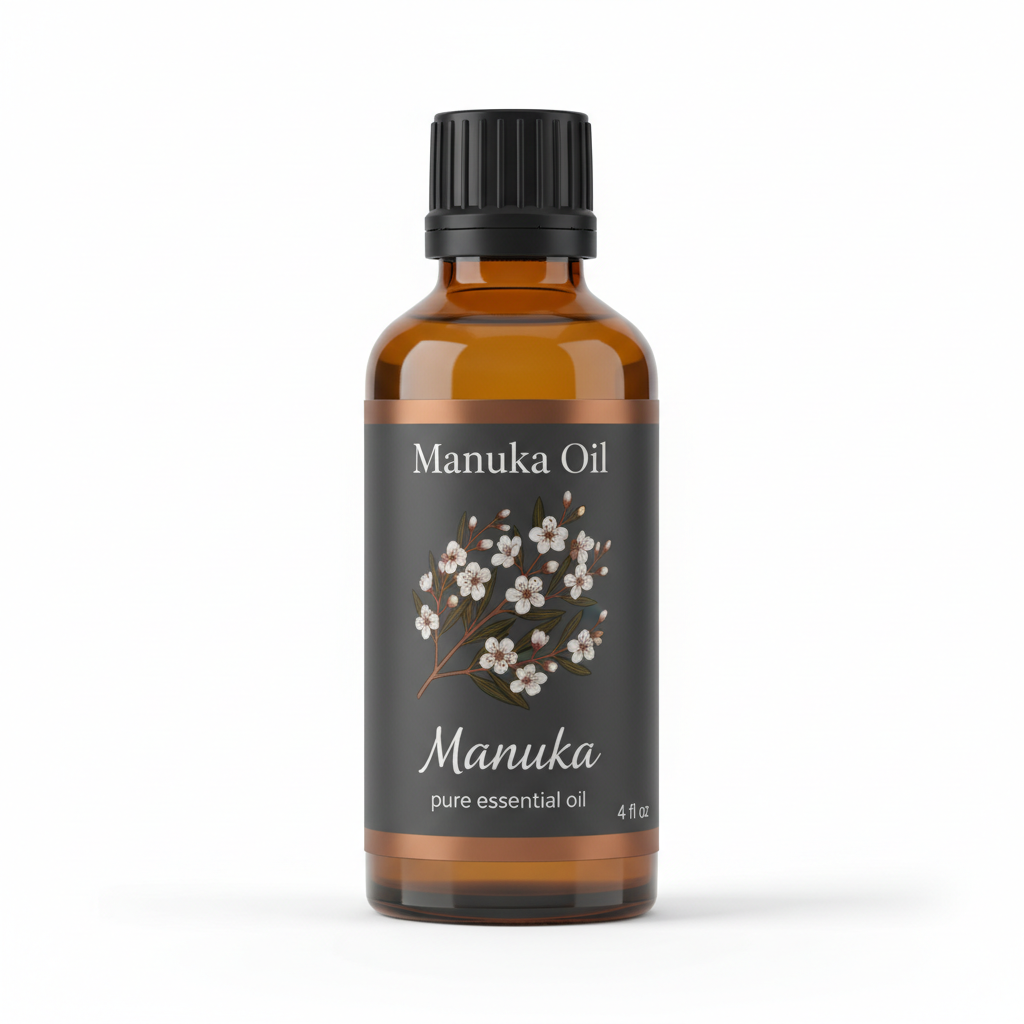
Manuka Essential Oil
Our own Manuka Essential Oil, in sizes from 0.5 oz to bulk.
From $18.99
Shop Now →1. What do you want it for?
Manuka oil is a lovely thing to own for its aroma. We describe ours as earthy, honeyed and warm with a slightly spicy edge, a heavier, lower note that settles into blends the way a wood oil does, and the Certificate of Analysis we publish for one batch records the smell as "Sweet, Honey, Herbal." It suits diffuser blends, diluted skin-care oils, soap, candles and room sprays, so if that is your plan you are in the right place.
If the plan is to address a skin, scalp, nail or other health concern, the oil is not the first purchase. The research on manuka oil is mostly laboratory work, and its authors say clinical evidence on safety and efficacy is still needed (Mathew et al., Mānuka Oil-A Review of Antimicrobial and Other Medicinal Properties). FDA decides how to regulate a product mainly from its intended use, and says a plant origin does not exempt it from drug rules (FDA, Aromatherapy). A seller who promises relief is a reason to read more carefully, and a dermatologist or physician is the person to start with.
2. Is it the right plant?
"Manuka" gets used loosely. Kanuka is a different tree with a different oil, which we cover in our manuka versus kanuka article, and the survey work on manuka itself found a triketone-rich type on the East Cape plus ten other chemotypes (Douglas et al., Essential oils from New Zealand manuka: triketone and other chemotypes of Leptospermum scoparium). So the first thing to look for is the botanical name, Leptospermum scoparium, which we give for our oil. Anything about chemistry should come with a measurement, which our East Cape article and label article explain.
3. What comes with the bottle?
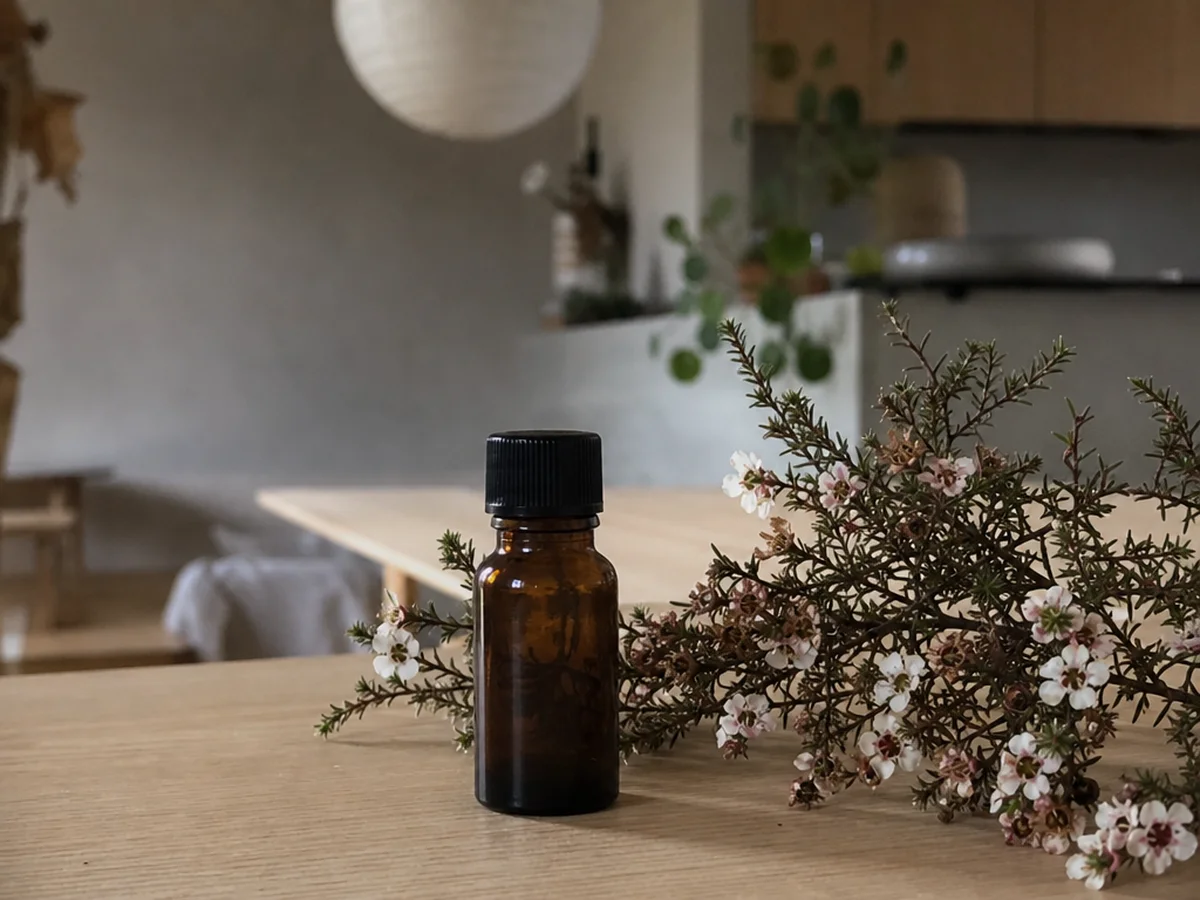
This is the question that separates sellers. Ask for the botanical name, the plant part, the lot number, and a document tied to that lot. Physical constants are a minimum, and GC-MS is worth requesting if chemistry matters to you, with the method and laboratory named. There is a good reason to want numbers rather than a chromatogram picture: diluting an oil with a vegetable oil leaves the percentage mix of the remaining volatile compounds unchanged, so only absolute quantitation against a reference profile can expose it (Capetti et al., Adulteration of Essential Oils: A Multitask Issue for Quality Control. Three Case Studies: Lavandula angustifolia Mill., Citrus limon (L.) Osbeck and Melaleuca alternifolia (Maiden & Betche) Cheel).
For ours, the Certificate of Analysis covers one batch and lists density, refractive index and optical rotation, and it does not include GC-MS. If you need GC-MS or a safety data sheet, for example because you employ people who will handle the oil, ask us in writing through the contact page before ordering and get the answer in writing. Our checks article shows what each document can and cannot prove.
4. How much do you actually need?
Think in batches of your own product, not in bottles. The batch on our certificate has a relative density of 0.896, so 1 ml weighs about 0.896 g and a 1 oz bottle holds about 26.5 g of oil. As arithmetic, and not as a recommendation for any product, 2.5 g of oil in 250 g of balm is 1%, and one ounce would cover about ten such batches. A kilogram of body oil at 0.5% needs 5 g, so one ounce covers about five. Use a reliable safety source for your own product type to choose the real rate. The point is that a small bottle goes further than most people expect, which is why our bottle sizes article starts from drops.
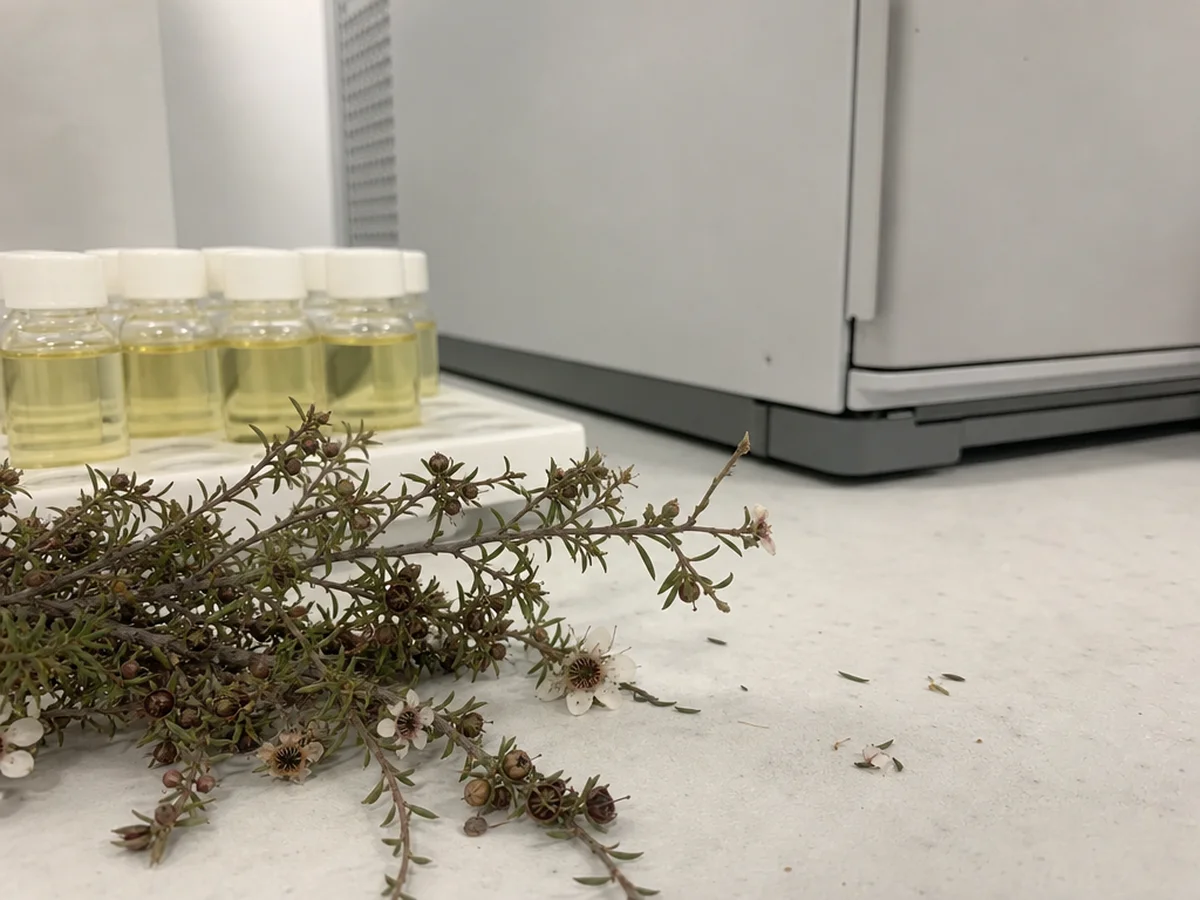
We sell 0.5, 1, 2, 4, 8 and 16 oz on the shop page, and 5, 25 and 400 lb on the bulk page. Business buyers can order a sample bottle through our wholesale page before committing to volume, which is a sensible way to check the scent and the paperwork together.
5. Compare like with like
Compare quotes per gram of oil, with the same kind of document attached, and not per bottle. We do not quote prices in articles, so check the shop and bulk pages for current figures; our price guide explains why two honest quotes can differ. If a quote is priced by triketone grade, ask which compounds are counted, by what method and on which lot; our label article explains why.
When the bottle arrives
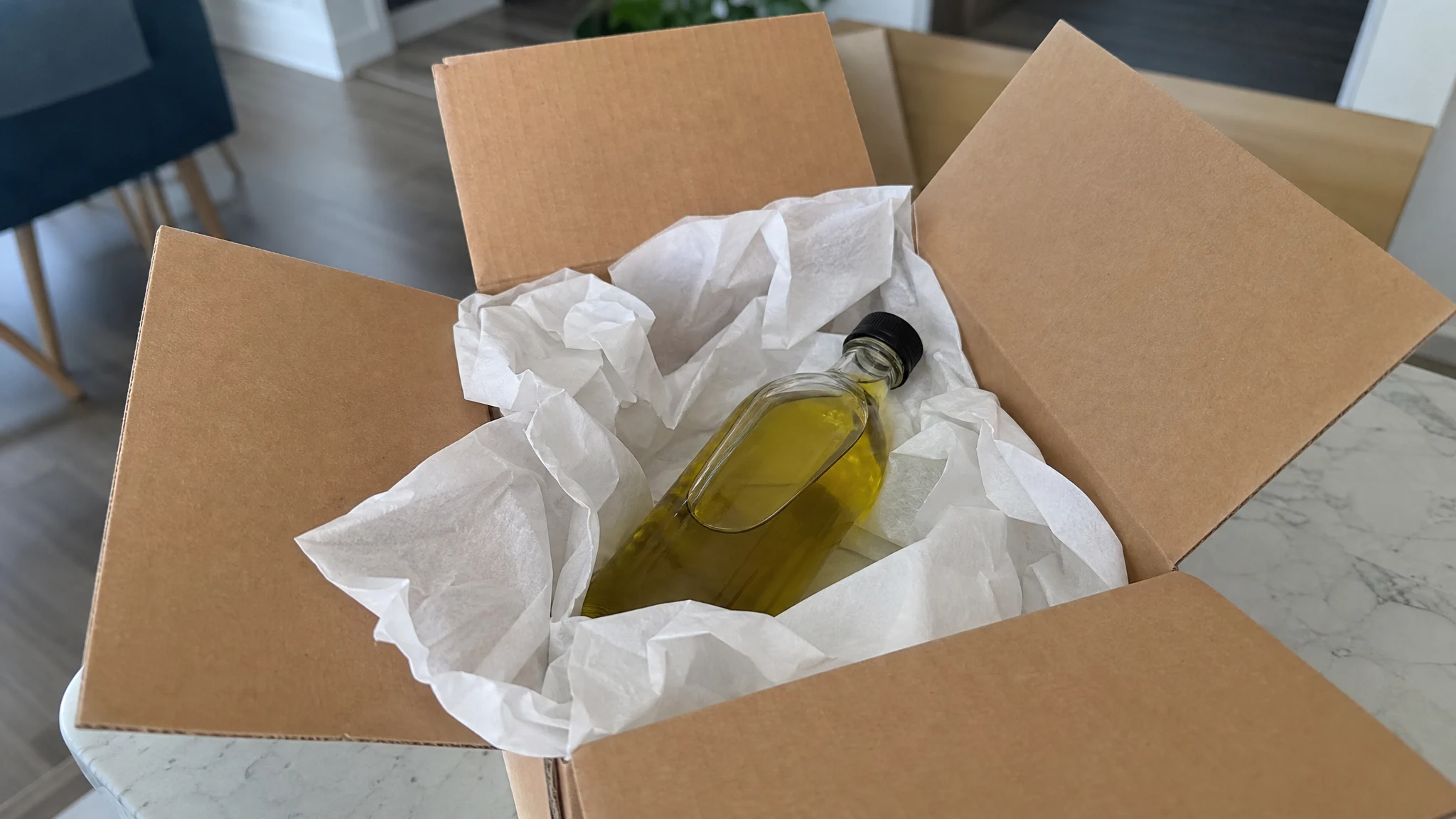
Check that the lot number on the bottle matches the document you were sent, smell it, and store it cool, dark and tightly capped. The best-studied case for oxidation is tea tree oil: left on a window sill, its peroxides rose from under 50 to over 500 ppm in four days, and the oxidized oil was about three times a stronger sensitizer than fresh oil in guinea pigs (Hausen et al., Degradation products of monoterpenes are the sensitizing agents in tea tree oil). That is a different oil, so it is reasoning and not a finding about manuka, but it is a good argument for a closed bottle. We describe a typical shelf life of 2 to 3 years when stored that way, and our storage article has the details.

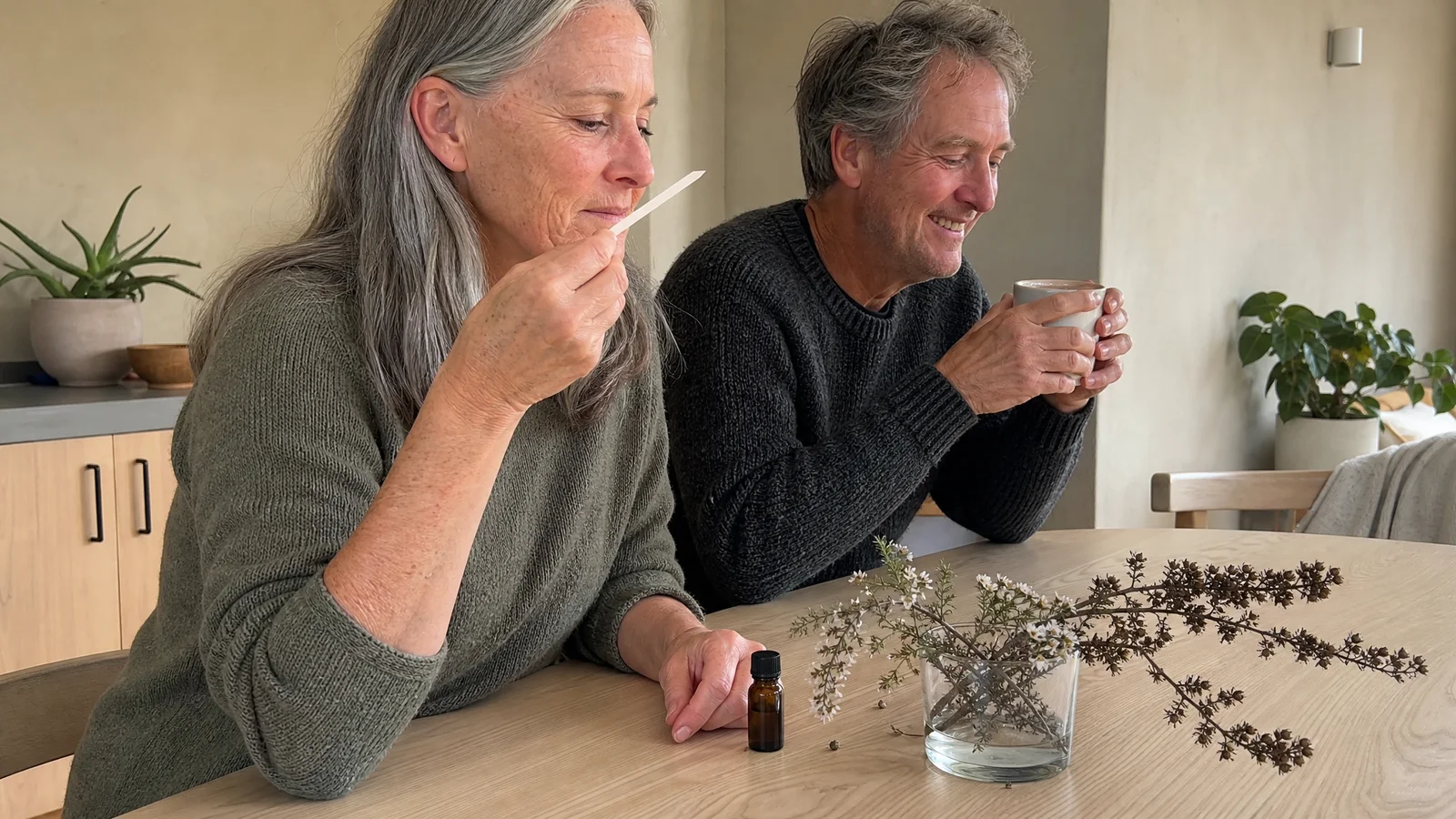
When you first open the bottle, do it slowly. Take one gentle sniff from a few inches away, not a deep breath from the neck, and give it a minute. Manuka oil is a heavier, lower note, so it often reads differently as the first sharp impression fades. Write the date you opened it on the label, so you know how long it has been in use.
A few practical points: dilute before skin use (our guidance is 0.5% to 2% in a carrier oil with a patch test first), keep it away from eyes, children and pets, and never swallow it. If you are pregnant, ask your doctor or midwife before using any essential oil. We sell one manuka oil only, so carrier oils, other essential oils and finished products come from a pharmacy or a craft and soap-supply shop.
Put together, the order is simple: purpose, plant, paperwork, a first order sized to the project, and a fair comparison.
Manuka Essential Oil
Manuka Essential Oil from our own shop, in sizes from 0.5 oz to bulk.
From $18.99
Shop Now →Sources & Further Reading
- Mathew C et al., 2020. Mānuka Oil-A Review of Antimicrobial and Other Medicinal Properties. Pharmaceuticals
- FDA, Aromatherapy
- Douglas MH et al., 2004. Essential oils from New Zealand manuka: triketone and other chemotypes of Leptospermum scoparium. Phytochemistry
- Capetti F et al., 2021. Adulteration of Essential Oils: A Multitask Issue for Quality Control. Molecules
- Hausen BM, Reichling J, Harkenthal M, 1999. Degradation products of monoterpenes are the sensitizing agents in tea tree oil. American Journal of Contact Dermatitis