Scalp Bumps: Where Manuka Oil Fits and Where It Does Not
You are rinsing your hair, your fingers find a small tender bump, and then another. Bumps on the scalp are a symptom, not a diagnosis, and the right response depends on what is causing them. That is why we would rather help you sort the possibilities than hand you a bottle.
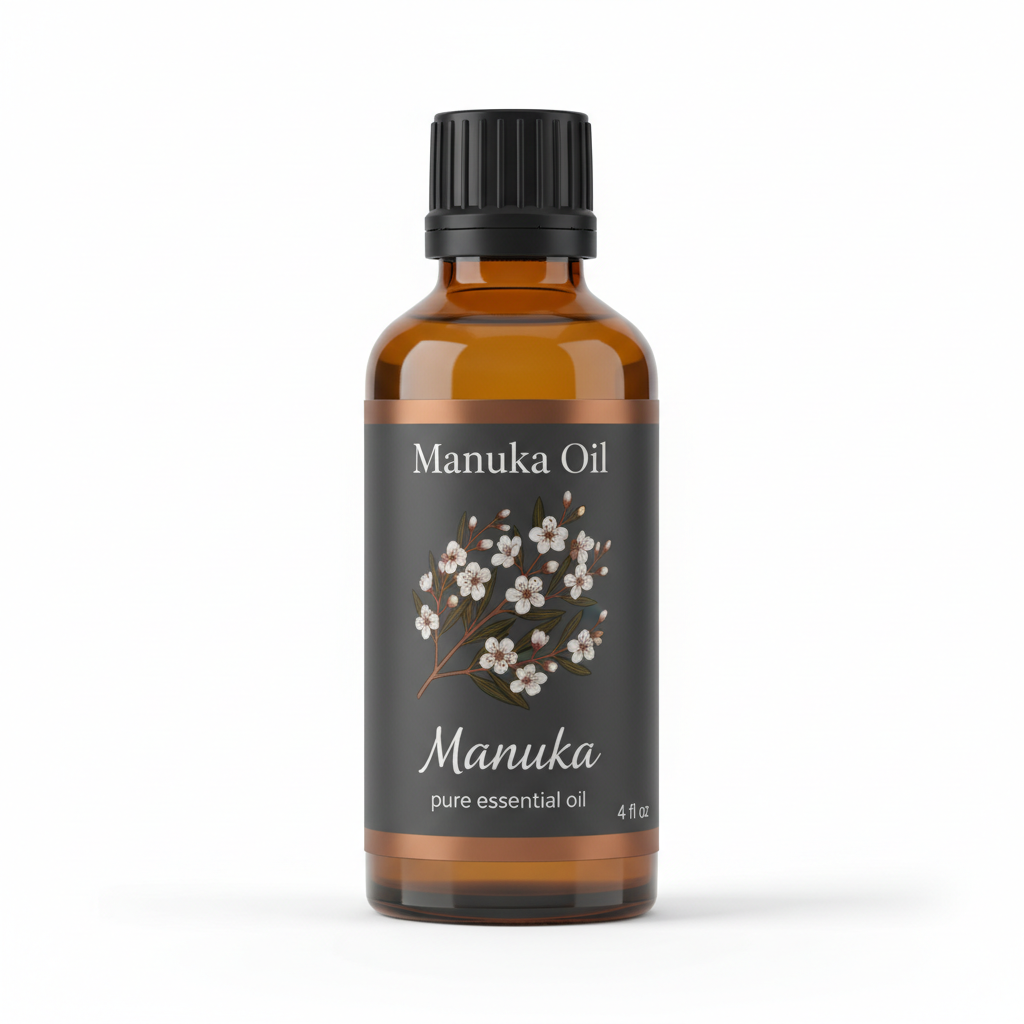
Manuka Essential Oil
Our own Manuka Essential Oil, in sizes from 0.5 oz to bulk.
From $18.99
Shop Now →What DermNet says it can be
DermNet NZ describes folliculitis as an inflamed hair follicle "due to any cause", and lists infection, blockage, irritation and various skin diseases among them. The causes differ, and so does standard care.
- Bacterial folliculitis is usually caused by Staphylococcus aureus. DermNet lists careful hygiene, antiseptic cleansers, antibiotic ointment or oral antibiotics as treatment.
- Yeast (Malassezia) folliculitis is described as an itchy, acne-like condition, usually on the upper trunk of a young adult. The bumps are all alike and no blackheads are seen. Treatment is an antifungal, topical or oral, for several weeks.
- Contact or occlusion folliculitis can follow oils, ointments and adhesive plasters, which may result in a sterile folliculitis. DermNet suggests an oil-free moisturiser if one is needed.
- Tinea capitis, scalp ringworm, usually brings scaling and hair loss, and sometimes folliculitis. It is treated with an oral antifungal for several months.
- Deep inflammatory conditions need a dermatologist, and a skin biopsy is often part of the diagnosis.
Acne itself sits on that list too, which is one reason scalp bumps do not have one look.
Two details worth knowing
First, the yeast type is made more likely by occlusion, including from emollients, heat and sweat, so adding a heavier oil routine to a scalp that is already bumpy is not a neutral choice. Second, DermNet says bacterial folliculitis and the yeast type can look clinically similar, which can delay diagnosis, and that confirming the yeast type may need a scraping examined under a microscope. A photograph or a forum thread cannot do that for you.
So the pragmatic advice is simple. Bumps that are tender and deep, that come with scaling or patchy hair loss, that spread, or that return after you change a product are a reason to see a dermatologist. DermNet says plainly: if you have concerns with your skin or its treatment, see a dermatologist for advice. For a child, or anyone with a weakened immune system, go to a doctor first.
Keep a short scalp diary
Write down when the bumps showed up, what you had just changed and whether they hurt, itch or do nothing. Note new shampoos, hats, helmets, hair dye and workout routines. A page of notes takes a few minutes and can hand a dermatologist a pattern they would otherwise have to guess.
Where scented oils fit
We sell one manuka essential oil, an external cosmetic product, and it is not a diagnosis or a treatment for any scalp condition. Medical research on it is mostly laboratory work, which our research overview explains. If your scalp is calm and you simply enjoy aromatic products, there is a careful way to introduce one.
The main thing to know is timing. DermNet describes allergic contact dermatitis to essential oils as a delayed reaction, usually appearing 24 to 72 hours after exposure, and notes that the allergen can be an oxidised component of the oil. It also advises against applying undiluted oils to the skin. A reaction to a new scalp oil can therefore arrive two or three days after you used it, just when you have stopped thinking about it, and it can be mistaken for a rash that started on its own. If you add a product and bumps appear days later, stop it and mention it to your clinician. Our scalp patch test guide shows how to introduce an oil so a reaction is easy to spot.
Small everyday things can make a scalp more crowded: tight caps, sweaty helmets, product that does not rinse out fully. A thorough rinse, a clean pillowcase and a little breathing room for your hair are easy habits to keep while you work out what is going on, and none of them needs a new product.
What to bring to a visit
Bring the names of your shampoo, conditioner and any styling product, plus the notes from your diary. If you wear a hat or helmet daily, mention it. Photographs on a good day and a bad one help, since a bump can look different by the time you get to the appointment.
How the law sees it
US rules treat a product as a cosmetic or a drug according to its intended use, judged from claims on labeling, advertising and the internet. The FDA's own example is an antidandruff shampoo, a cosmetic when it cleanses and a drug when it makes a dandruff claim. That is why we describe our oil by its aroma and its use diluted on skin, and leave conditions to doctors. Our articles on dandruff and hair follow the same approach.
Resist the urge to pick
It is tempting to squeeze or scratch a bump, but picking can make a bump angrier and can leave marks. If it bothers you, leave it alone and show it to someone who can look at it.
Be kind to your scalp
If you are not sure what is going on, a gentle, plain routine while you wait for an appointment is a sensible place to rest. The oil can wait on the shelf, and its warm, honeyed scent will still be there when you are ready.
If you do use manuka oil on your scalp, stay at the low end of the 0.5% to 2% range we suggest and let the three-day patch test run its course before you decide it suits you.
Manuka Essential Oil
Manuka Essential Oil from our own shop, in sizes from 0.5 oz to bulk.
From $18.99
Shop Now →