Manuka Oil and Body Odor: Aroma vs Sweat Control
Fresh sweat barely smells. The scent we notice later comes from what happens next, and understanding that sequence clears up what an oil like manuka can and cannot do. Spoiler: it can lend a warm, honeyed aroma, but it does not stop sweat, and we make no claim that it does.
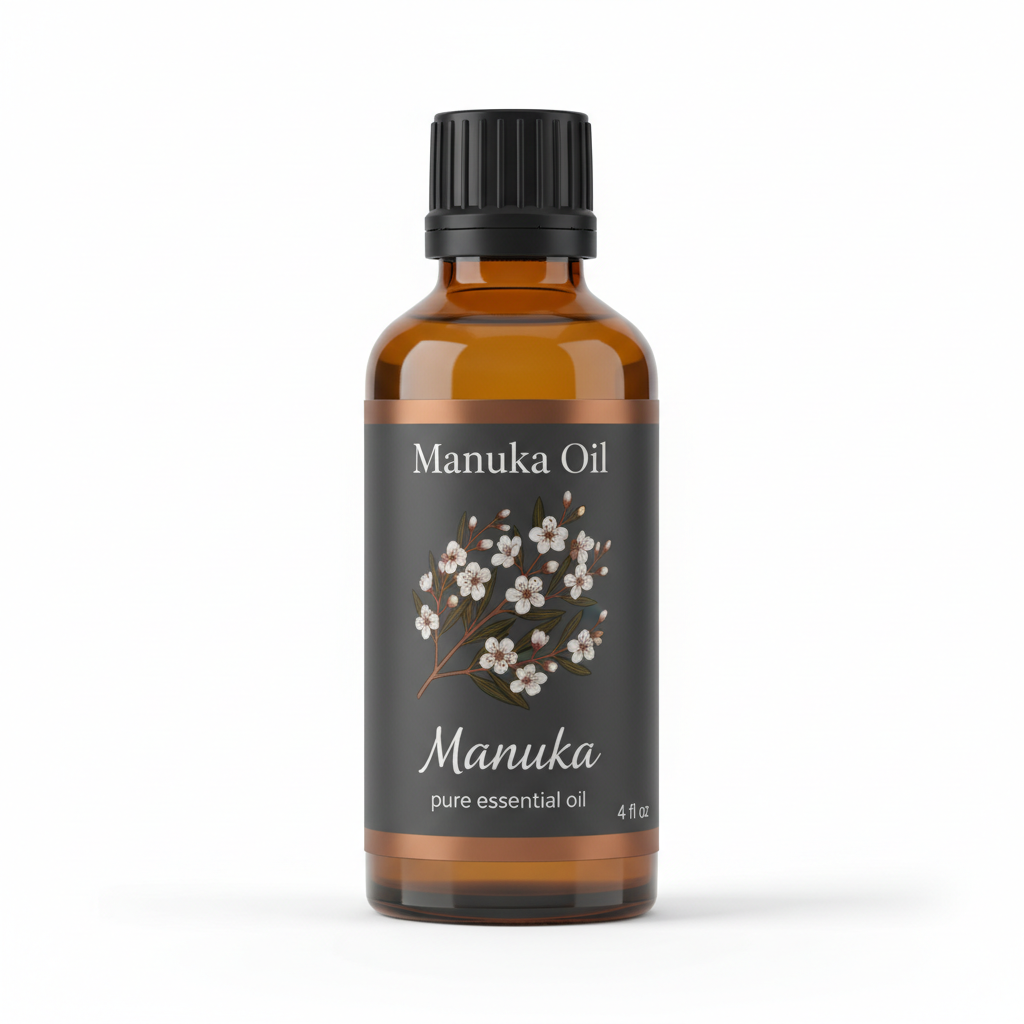
Manuka Essential Oil
Our own Manuka Essential Oil, in sizes from 0.5 oz to bulk.
From $18.99
Shop Now →Where underarm odour comes from
A 2013 review describes the chain: odourless secretions from the underarm's apocrine glands are converted by skin bacteria into odorous compounds, and Corynebacterium species are the most likely main culprits (James et al.). A 2025 review sorts the ways products deal with this into four groups: reducing sweat, reducing bacteria, masking, and deodorising (Son et al.).
A fragrance, manuka oil included, lives in the masking group. It works on the nose after the chemistry has done its thing. That is a perfectly respectable job, much as a pleasant perfume is, but it helps to be clear about it.
When sweat is the real question
If you sweat heavily, scent is not the tool. The American Academy of Dermatology describes hyperhidrosis as excessive sweating that is treatable, and suggests seeing a board-certified dermatologist if it disrupts your day (AAD). For sweat reduction in general, the answer is an antiperspirant from the pharmacy. We keep our manuka oil on the aroma side: the FDA decides whether a product is a cosmetic or a drug by what it claims to do, and we claim only aroma.
A gentle formulation, worked out by the numbers
If you simply enjoy the idea of a manuka-scented underarm cream, the underarm deserves a light hand. The skin there is thin and often freshly shaved, and DermNet NZ notes that reactions to essential oils are delayed, showing up as itching, redness or scaling roughly one to three days after exposure. So for this spot we suggest the bottom of our range, 0.5%, in an unscented base you buy from a craft or cosmetic-supply shop. Where the base maker gives a lower fragrance limit, follow theirs.
The arithmetic, using the relative density of 0.896 on our Certificate of Analysis and about 20 drops to the millilitre:
| Strength | Oil in 50 g of base | Drops, about |
|---|---|---|
| 0.5% | 0.25 g | 6 |
| 1% | 0.5 g | 11 |
| 2% | 1 g | 22 |
So roughly 6 drops stirred into a 50 g jar of soft base gives 0.5%. Label the jar with the percentage, and make a small jar first. This is a suggestion built from numbers, so a patch test comes before the whole armpit: try a dab on the inner forearm and give it a few days.
Check your base, too
Ask what is in an unscented base before you buy it. If it contains an antiperspirant ingredient, it is a different kind of product. If it already has fragrance, count that toward your total. And if you notice itching or redness, stop using the jar, since DermNet NZ notes that people allergic to one essential oil often react to others, and see a pharmacist or doctor rather than adding anything else.
What a masking aroma is good for
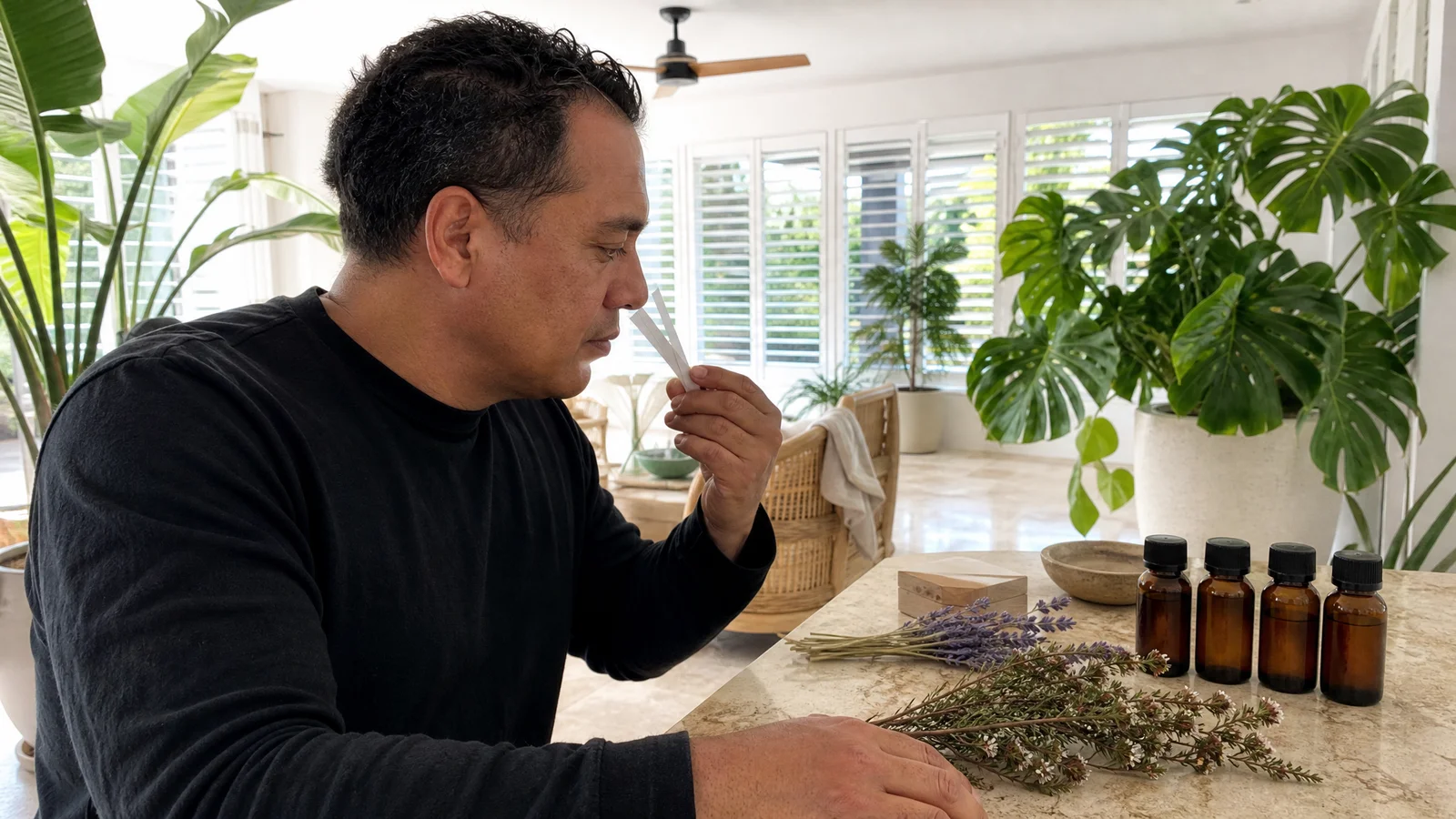
Scent is a real part of personal care. Many people choose products because they like how they smell, and manuka's aroma is distinctive: we describe it as earthy, honeyed and warm with a slightly spicy edge, deeper and sweeter than tea tree. A fragrance used at a low rate in a base you already like can simply make the routine more enjoyable, with the honest understanding that it is about aroma and not about sweat.
Choosing a scent you will still like at the end of the day
A fragrance in a personal-care product has to live with you for hours, so it is worth testing it before you commit. Smell the finished base from a little distance, not with your nose in the jar, and think about whether you would be happy to smell it at the end of a long day. Manuka is a heavier, lower note, so it can seem quiet at first and then fill out as it warms. If you find it too deep, try a smaller amount next time, or choose a lighter partner oil from a supply shop.
Keep the routine simple
Our advice, as a seller of one oil, is to keep the routine small. A mild wash, thorough drying, clothes that suit the weather and an antiperspirant from the pharmacy if sweat is your concern will cover most of what you need. A scented cream is a pleasant extra on top of that, never a replacement for it, and it is perfectly fine to skip it altogether if your skin is touchy.
If you do try a scented base, change only one thing at a time. Add the new jar to your routine on its own, not alongside a new soap or a new razor, so that if your skin does not like something you know which product to put down.
A more useful starting point
Day-to-day habits do more than any aroma: clean, dry skin and clothes that breathe. If scent is what you are after, our scent profile describes the aroma in detail, and our side effects article covers patch testing. For foot concerns, see manuka oil and foot odor.
Manuka's earthy, honeyed note makes a pleasant addition to a personal-care routine; just give it the realistic job of aroma.
Manuka Essential Oil
Manuka Essential Oil from our own shop, in sizes from 0.5 oz to bulk.
From $18.99
Shop Now →Sources & Further Reading
- Microbiological and biochemical origins of human axillary odour, FEMS Microbiol Ecol, 2013
- Human Body Malodor and Deodorants: The Present and the Future, Int J Mol Sci, 2025
- Hyperhidrosis: FAQs, American Academy of Dermatology
- Is It a Cosmetic, a Drug, or Both? (Or Is It Soap?), FDA
- Allergic contact dermatitis to essential oils, DermNet NZ