Manuka Oil for Smelly Shoes: Fix the Basics First
The best fix for a smelly shoe is rarely a bottle of anything. It is a second pair of shoes. That is not what most people hope to hear, but the science behind foot odour makes the case well, and once the basics are in place, a little warm manuka aroma can make a nice finishing touch.
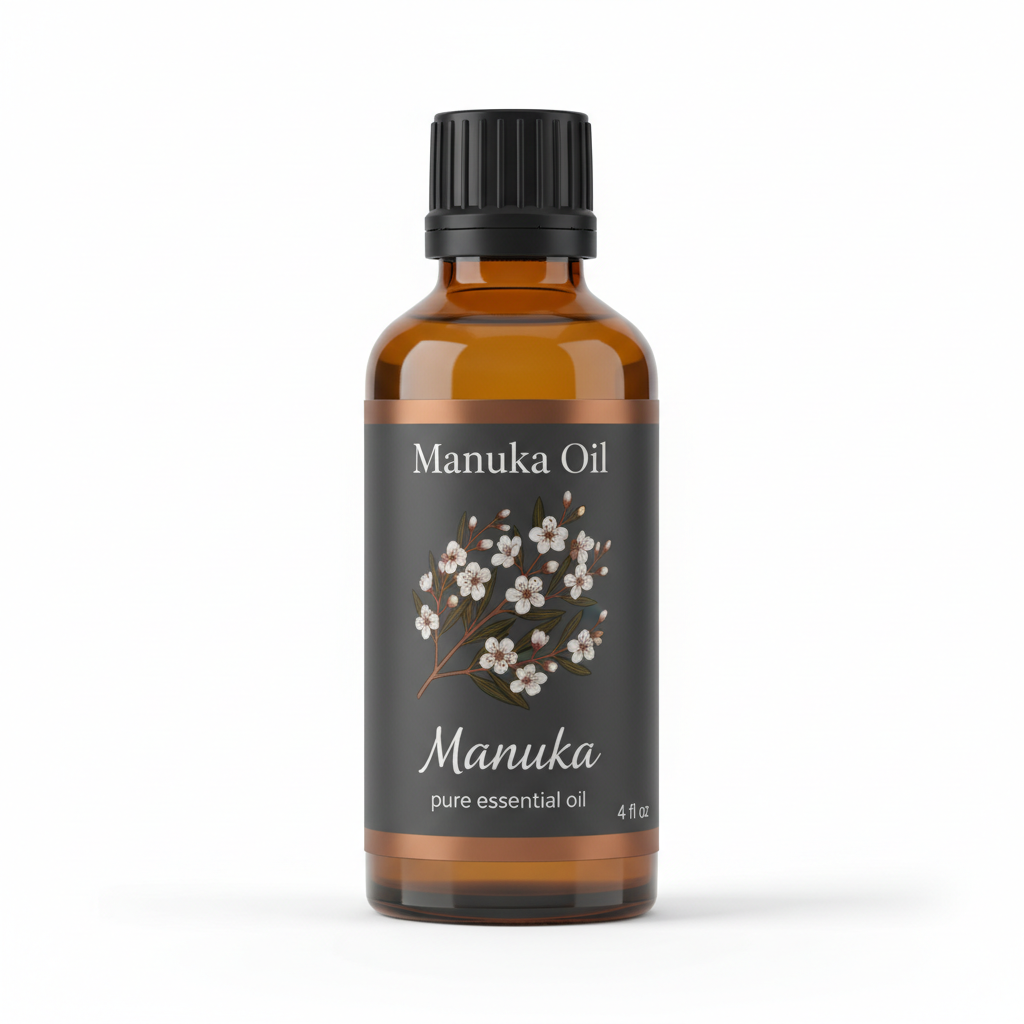
Manuka Essential Oil
Our own Manuka Essential Oil, in sizes from 0.5 oz to bulk.
From $18.99
Shop Now →What is actually causing the smell
A 2026 Japanese study sampled the soles and toe clefts of people with foot malodour and of controls. The abundance of a bacterium called Kytococcus tracked the intensity of a cheesy, isovaleric-acid-like smell, and Kytococcus schroeteri and Staphylococcus hominis were shown to produce isovaleric acid from the amino acid leucine (Sakai et al.). The takeaway, which is reasoning rather than a finding of that paper: foot odour is bacteria working on what feet shed and sweat, so moisture, warmth and time in a closed shoe are the ingredients.
Fix the inputs first
The NHS advice on athlete's foot doubles as a useful routine: dry your feet well after washing, wear clean cotton socks daily, and avoid wearing the same shoes more than two or three days in a row, as well as shoes that make feet hot and sweaty (NHS). MedlinePlus likewise suggests breathable leather shoes rather than plastic-lined ones, and alternating pairs so they dry out fully (MedlinePlus).
The arithmetic is happily simple. If two or three days is the limit for one pair, a five-day week needs at least two pairs. A second pair of shoes does more than any scent. Look for shoes at a shoe shop, socks at any clothing shop and drying powders at the pharmacy, where a pharmacist can advise.
The shoe cupboard test
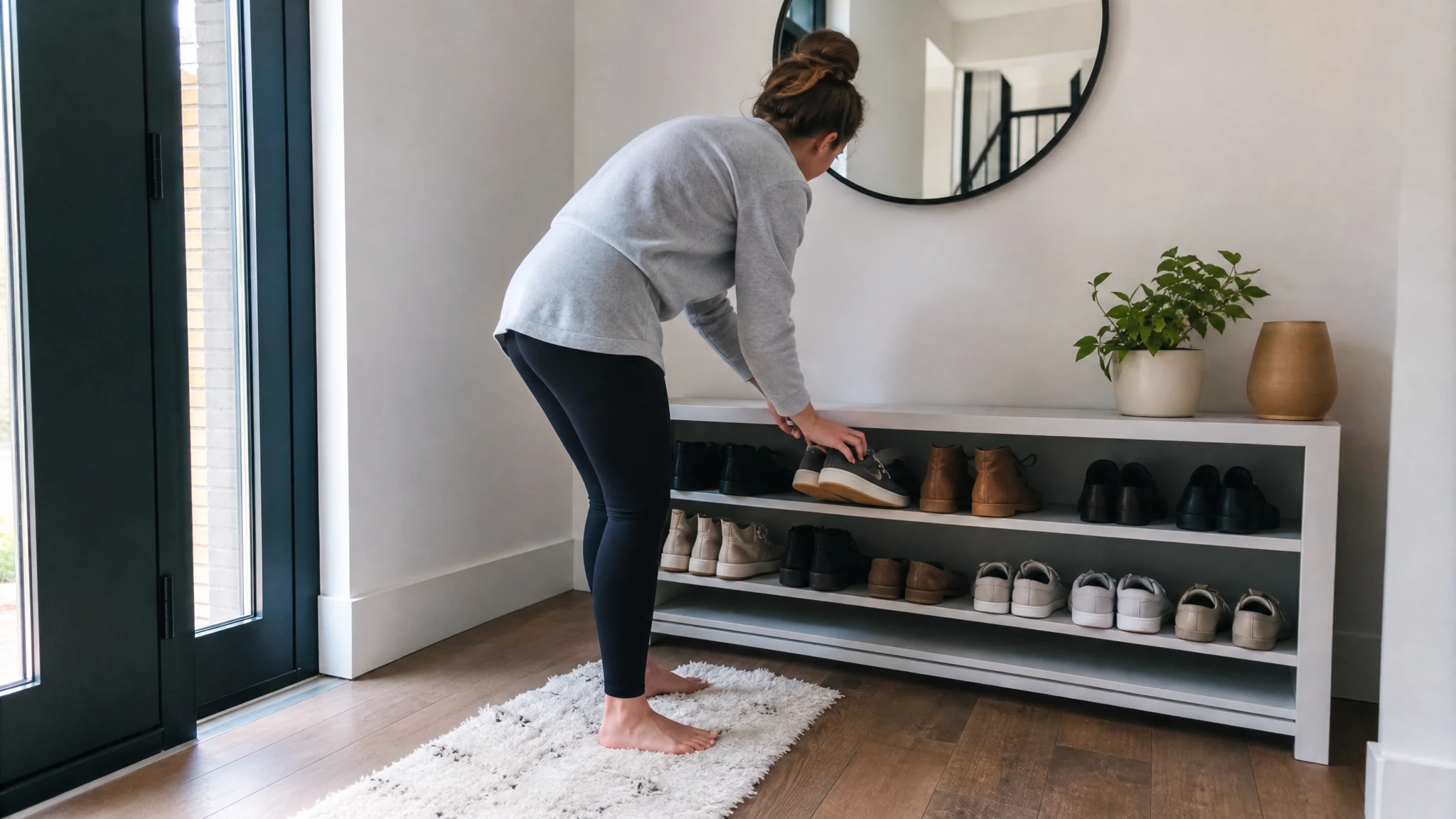
Here is a quick, honest check you can do tonight. Pick up the pair you wore most this week and smell the inside, then check whether the insole feels damp or cool. If it does, that pair needs a day or two of fresh air before it is worn again. Pull out the insoles if they come out, stand the shoes where air can move around them, and keep them away from a hot radiator, which can stiffen leather and does not dry the inside any better.
When a smell is a signal
Some smells are worth a professional's eye. Very heavy sweating that has you changing socks several times a day, peeling or itchy skin between the toes, a thick or discoloured nail, or a hot, red, painful foot are all reasons to see a pharmacist, doctor or podiatrist, and anyone with diabetes should be quick to ask. Our articles on athlete's foot and toenail fungus explain why we leave those concerns to the professionals.
Where manuka oil fits
Once the shoes are dry and rotated, scent is simply a pleasure. We describe manuka as earthy, honeyed and warm with a slightly spicy edge, and a drop or two goes a long way. One idea, worked out from our product facts and not a tested method: put two drops on a small cotton pad or a piece of felt, tuck it into the toe of a shoe that is already dry, and take it out before you put the shoe on.
The numbers: at about 20 drops to the millilitre and the relative density of 0.896 on our Certificate of Analysis, two drops weigh roughly 0.09 g. That is neat oil on a pad, so keep it off bare skin and out of reach of children and pets. Our skin guidance is 0.5% to 2% in a carrier oil, never neat. A few more sensible limits: the oil can mark pale fabric or leather, so test where it will not show; remove the pad before wearing; and keep in mind that scent adds a pleasant note but does not dry out a damp shoe.
If you want to bring in a second scent, think of it the way you would with a drawer sachet. The aroma is meant to be a quiet background note when you open the cupboard, not something that announces itself across the room. Earthy and honeyed suits a leather shoe better than a canvas one, and you will notice quickly whether you like it.
Why a pad and not your skin
A shoe pad keeps the oil where its aroma is useful and away from the skin of your feet, where a neat oil does not belong. It also makes the amount easy to control: two drops on a pad is a small, fixed quantity, and you can swap the pad out whenever you like. If the aroma ever feels too strong in a closed shoe, use one drop instead.
Socks matter more than most people credit. A pair that is too thin or too synthetic holds moisture against the foot, while a plain cotton pair that you change when it feels damp does a lot of quiet work. Keep a spare pair in your bag if your day is long.
A simple routine
- Alternate at least two pairs of shoes, and let each dry fully between wears.
- Choose breathable uppers and clean cotton socks.
- Dry between the toes after washing, by dabbing.
- Add a manuka-scented pad to a dry shoe if you enjoy the aroma.
For more on how we think about safe use, the side effects article is a good companion, and the underarm scent article covers the same bacteria-and-sweat story for another spot.
Dry shoes, fresh socks and a drop of something you love: that is a routine most of us can keep.
Manuka Essential Oil
Manuka Essential Oil from our own shop, in sizes from 0.5 oz to bulk.
From $18.99
Shop Now →Sources & Further Reading
- Kytococcal and staphylococcal strains isolated from Japanese subjects with foot malodor and their control, J Appl Microbiol, 2026
- Athlete's foot, NHS
- Athlete's foot, MedlinePlus Medical Encyclopedia