Manuka Oil Around Cats and Dogs: What Vets Say
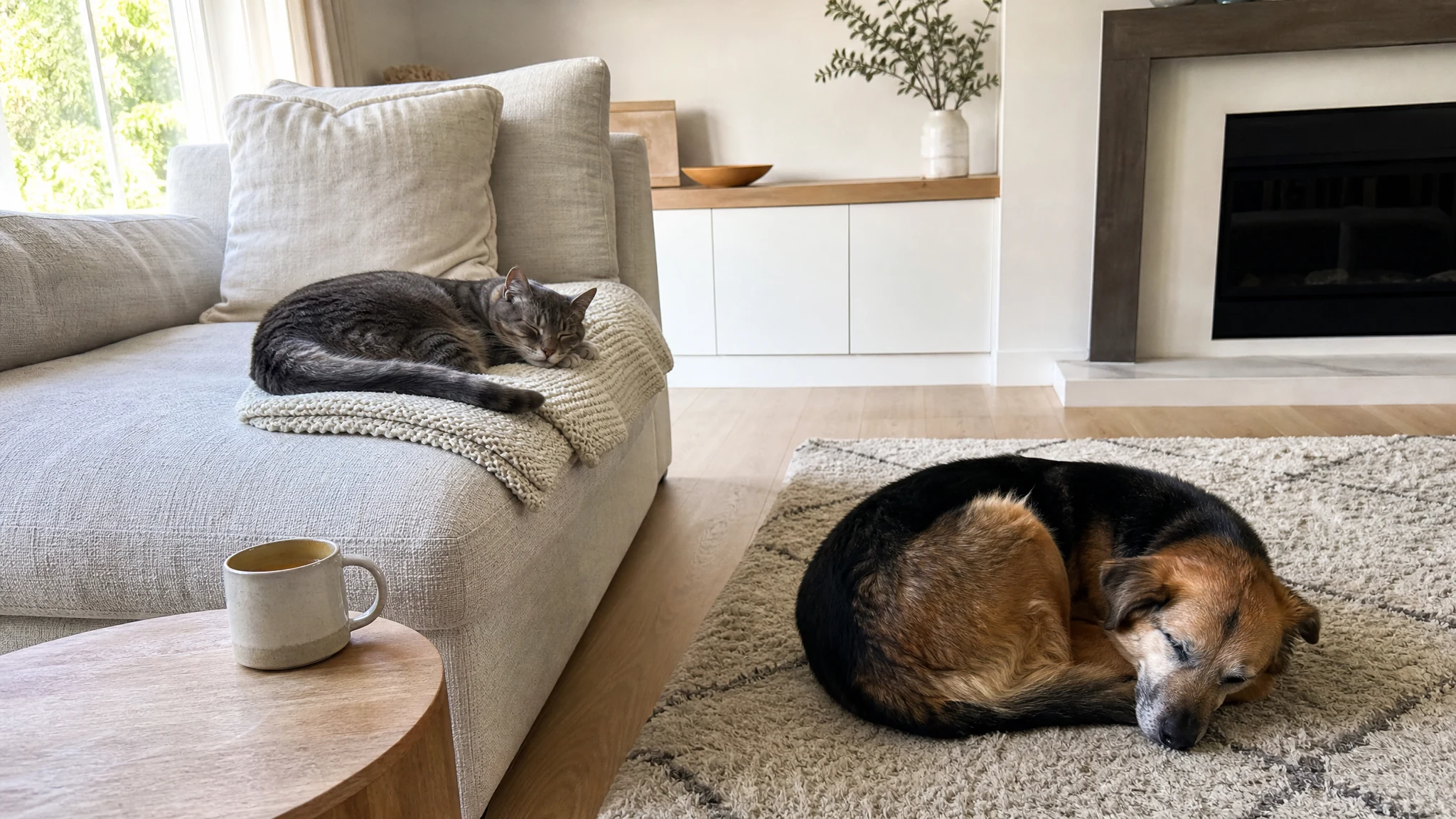
Nobody should have to guess whether the bottle on the shelf is a problem for the animal asleep beside it. The honest answer for manuka oil is that there is no pet-specific study we can point to, so we lean on what veterinary toxicologists say about essential oils as a group, and that guidance is clear enough to act on.
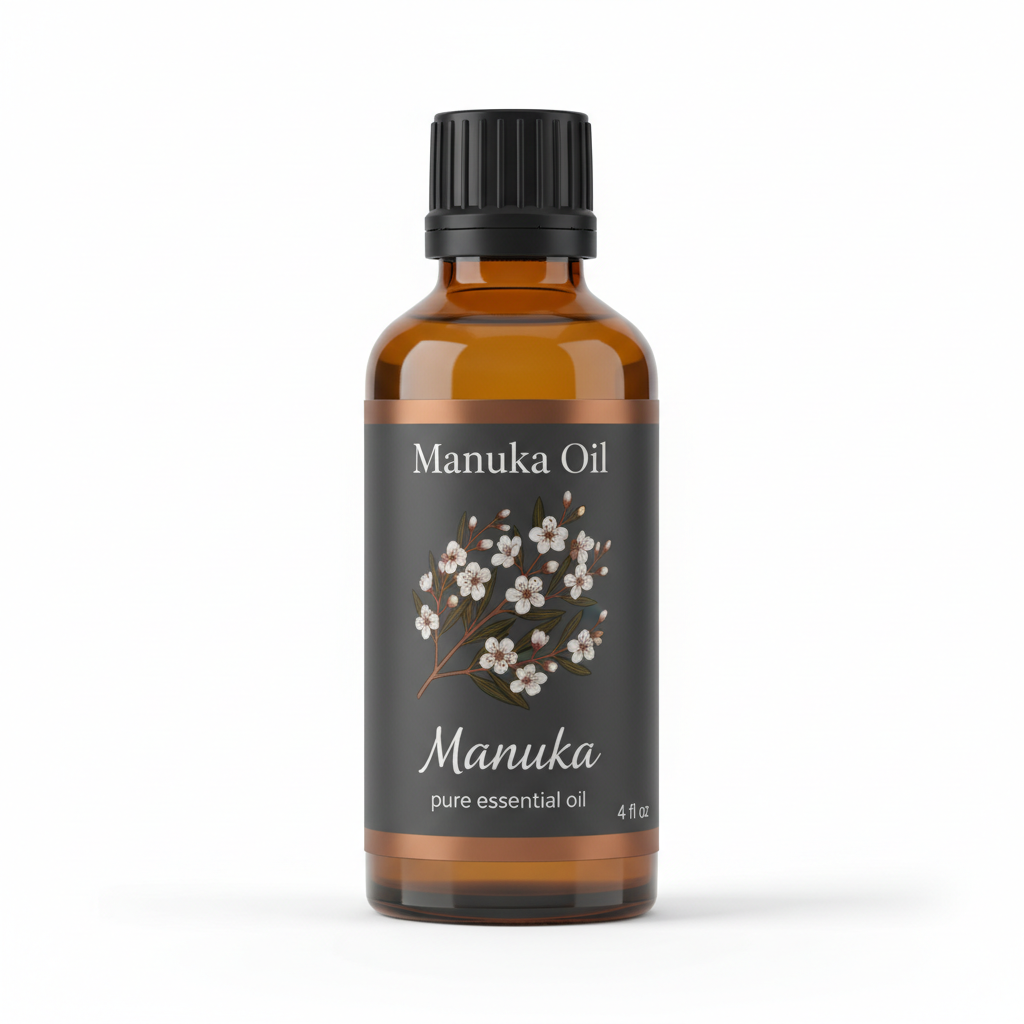
Manuka Essential Oil
Our own Manuka Essential Oil, in sizes from 0.5 oz to bulk.
From $18.99
Shop Now →We sell an aroma oil, not a pet product
Our manuka oil is sold neat, as an external aroma and cosmetic oil for people. Our guidance on the bottle page is short: keep it away from eyes, children and pets. We would not call it safe for any animal, and we would not use it on one. If your question is about a pet's skin, ears or coat, that belongs with a veterinarian, who can look at the animal in front of them.
Why a cat is not a small person
The Merck Veterinary Manual says cats are more sensitive to some essential oils because they are deficient in an enzyme called glucuronyl transferase. In plain English, a cat's liver is slow at clearing certain plant compounds, particularly phenols, so they can build up. Cats also groom constantly, which means oil on a coat usually ends up in the mouth too. The manual adds that dogs do not share the enzyme deficiency but are still at risk of poisoning from essential oils (Merck Veterinary Manual).
Nobody has studied manuka oil in cats, and the vets' advice is written for essential oils in general, so the sensible reading is that a cat should not be exposed to it.
What the ASPCA tells owners
The ASPCA's poison control team puts it directly: in their concentrated form, essential oils can be a danger for pets. A pet that walks through oil, gets it on its coat, or has it put on it can develop health problems, and the signs they list include unsteadiness on the feet and depression, with a low body temperature in severe cases. After swallowing, they describe vomiting, diarrhea and depression. Their advice is to avoid applying essential oils directly to a pet and to keep them up and out of paws' reach (ASPCA).
The same page makes a point we find useful. Animals have a much better sense of smell than we do, so a scent that seems faint to you can be a lot to them. That is one reason we would never judge a room by our own nose.
Diffusers, sprays and birds
For diffusers, the ASPCA says a short session in a secured area the pet cannot get into is not likely to be an issue, and that an animal with breathing problems may be better off with no diffuser at all. Birds are the clearest case for caution: both the ASPCA and the Merck manual note that their respiratory tracts are very sensitive to fragrances and airborne particles. The ASPCA extends the same concern to rabbits, guinea pigs and hamsters.
If you use manuka oil in a diffuser, our practical rules follow from that:
- Use it in a room with a door you can close, and keep the animal out of that room while it runs and while it airs out afterwards.
- Keep it away from birds and small animals entirely, including in nearby rooms.
- Leave a window or door open afterwards so the room clears before the animal comes back in.
- Skip it if an animal in the house has a breathing problem.
Storage and spills
Most exposures are accidents: a bottle knocked off a bedside table, a damp cloth left on the floor, a candle or linen spray that left residue on a surface a cat then walks across. A closed cabinet with a latch beats a high shelf for a cat who climbs. Our storage guide covers keeping the bottle capped, cool and dark, which also happens to keep it out of reach. If you make a room or linen spray, our linen spray recipe is worth a read, and we would keep animals off any treated fabric until it has fully dried and aired.
If an animal is exposed
Do not wait to see whether signs appear. The ASPCA says to contact your veterinarian or the ASPCA Animal Poison Control Center at (888) 426-4435 immediately. The Merck manual says an exposed animal should be decontaminated if possible, by bathing or fresh air, and that vomiting should not be induced because of the risk of aspiration. In practice that means the phone call comes first, and the veterinary team tells you what to do next.
That is a lot of caution for something that smells so inviting, but the rule is easy to keep: manuka oil is for people, and the animals in your home do best when it stays in a closed cupboard. If you want to know more about how we recommend handling the oil itself, our pieces on using manuka oil undiluted and side effects are good next stops.
Manuka Essential Oil
Manuka Essential Oil from our own shop, in sizes from 0.5 oz to bulk.
From $18.99
Shop Now →Sources & Further Reading
- The Essentials of Essential Oils Around Pets, ASPCA
- Toxicoses From Essential Oils in Animals, Merck Veterinary Manual