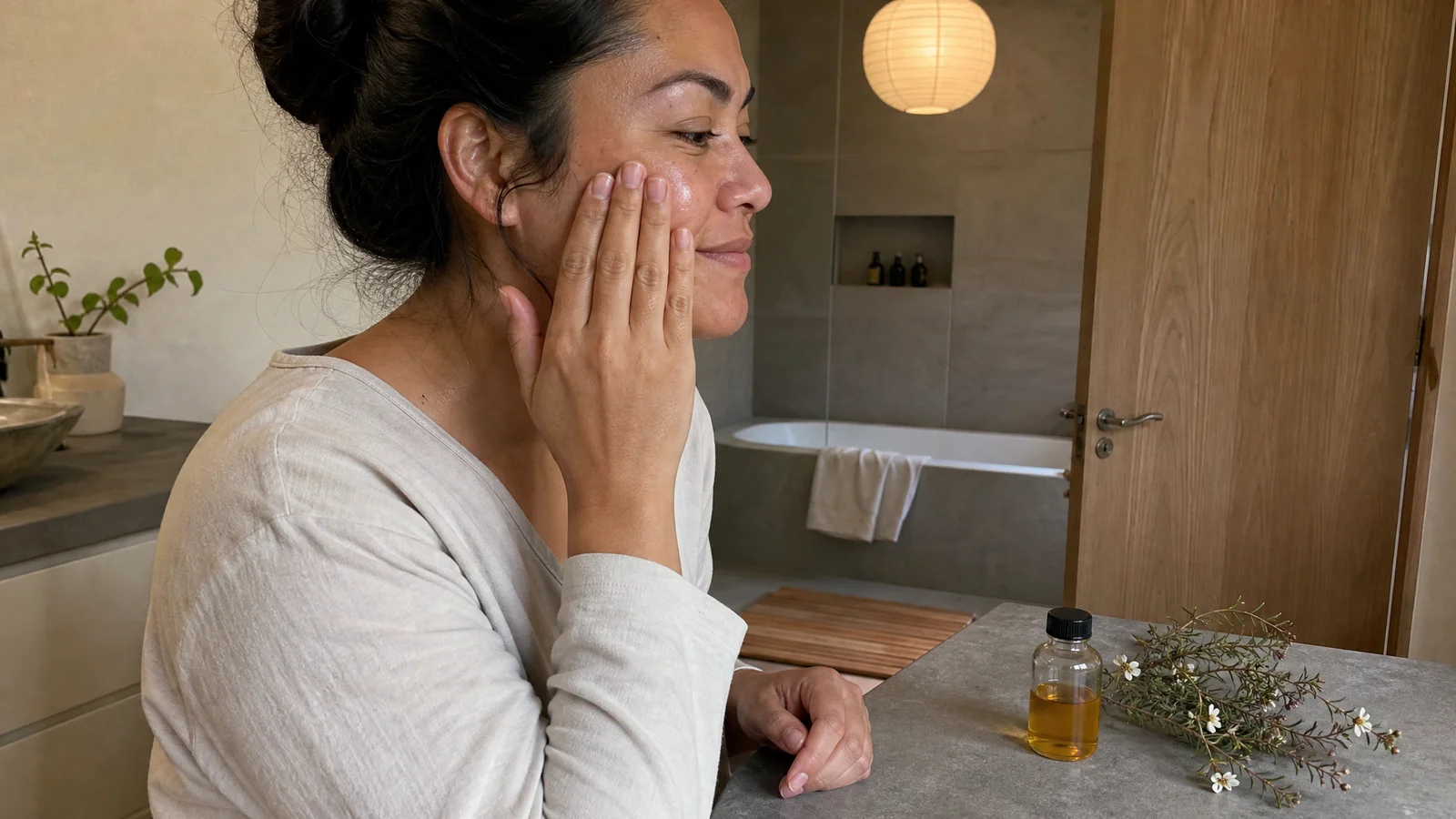
Manuka Face Oil: A Gentle Evening Blend to Mix
A manuka facial oil is the quietest recipe in the cupboard: a carrier oil in a small dropper bottle and, at the gentlest level, about three drops of manuka oil in 30 ml. The oil brings a deep, honeyed, earthy scent to your evening, and the carrier does everything else. The interesting decisions are about how much, how to mix it and how to check that your skin likes it.
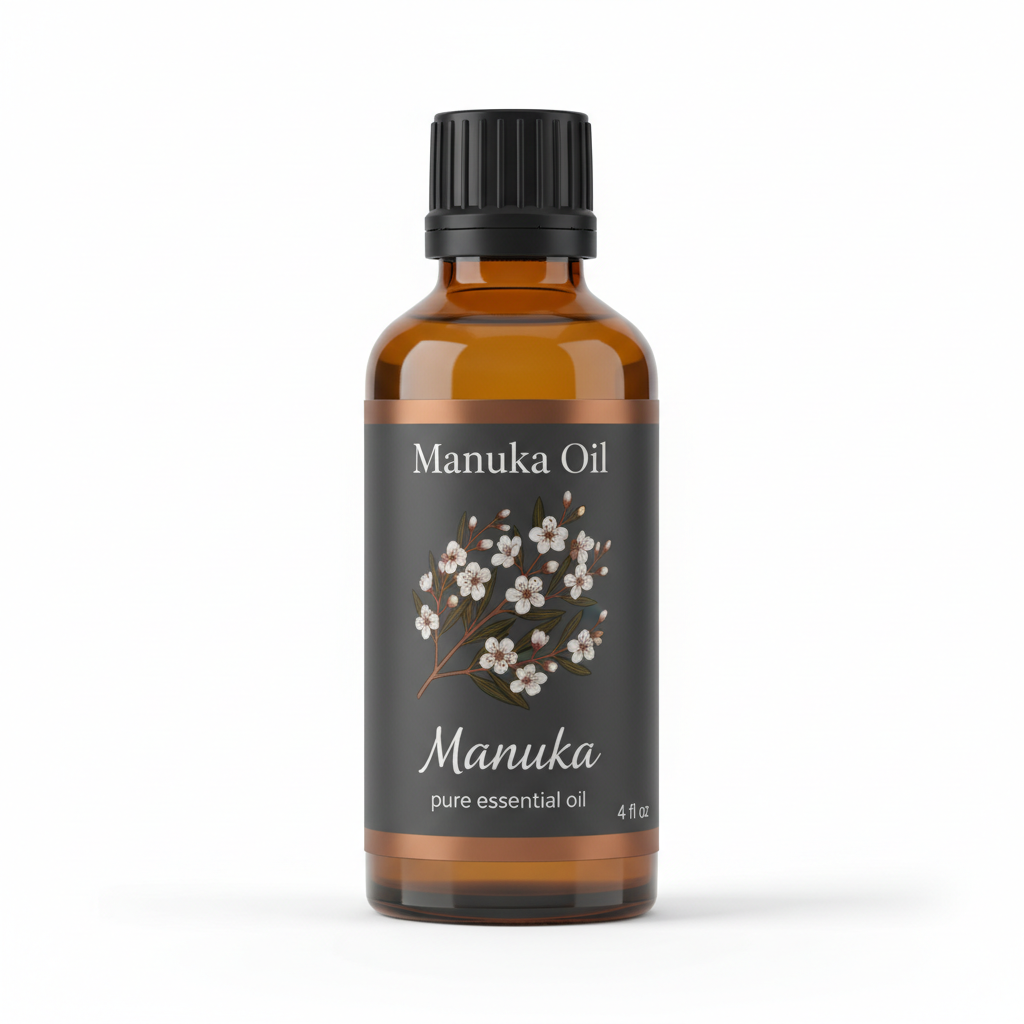
Manuka Essential Oil
Our own Manuka Essential Oil, in sizes from 0.5 oz to bulk.
From $18.99
Shop Now →Why we call it scented, not "balancing"
Recipes like this are often sold as balancing, a word that suggests regulating oil production. We have found no study of manuka oil on the face that measured that, and we make no such claim. There is a regulatory reason for keeping to scent and feel too: FDA explains that a product's intended use is established by claims on its labeling, in advertising or online, and claims such as treating acne make it a drug. A facial oil described by its aroma and how it feels is a cosmetic. If acne is what brought you here, our acne evidence review shows what has and has not been studied.
A face is not a foot, so start low
Our dilution guidance is 0.5% to 2% in a carrier oil, about 3 to 12 drops per ounce, with a patch test first and the low end for facial blends. We recommend staying at 0.5% for your first bottle. A leave-on oil sits on the skin for hours, and skin sensitisation is a delayed reaction: DermNet says it typically appears 24 to 72 hours after contact. The Tisserand Institute states that undiluted oils should not go on the skin and that dilution and risk are directly linked. We are not aware of a manuka-specific ceiling from either source, so we do not describe 2% as safe, and for the face we would not go there.
| Bottle of carrier oil | 0.5% | 1% | 2% |
|---|---|---|---|
| 10 ml | 1 drop | 2 drops | 4 drops |
| 30 ml (about 1 oz) | 3 drops | 6 drops | 12 drops |
| 100 ml | 10 drops | 20 drops | 40 drops |
These use the usual rough convention of 20 drops to a millilitre, and droppers vary. For a first batch the 10 ml row is the sensible one: one drop in a small bottle is a cheap experiment.
The carrier is most of the blend
Nearly everything that touches your face in this blend is the carrier, so it deserves the thought. Jojoba and sweet almond are the examples our guidance names. We do not sell either, so look for them at a cosmetic supplier, pharmacy or grocery. Our carrier oil guide compares them on shelf life and allergy, including the nut question for sweet almond. Buy a small bottle with a date on it and use it up, because a stale carrier is a bigger issue than the few drops of manuka in it.
Mixing it
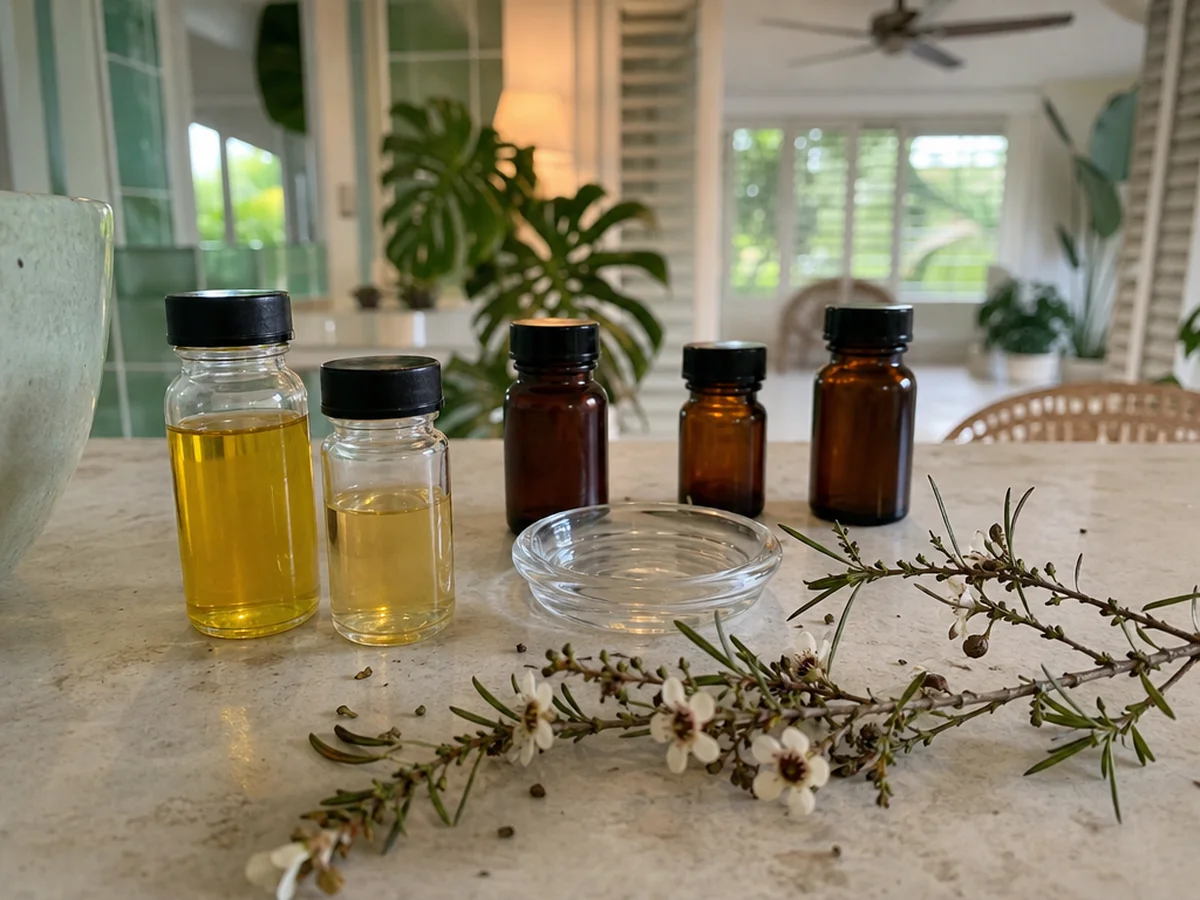
- Wash a small amber or cobalt glass dropper bottle and let it dry completely. Stray water does not belong in an oil blend.
- Pour in the carrier first, leaving a little room at the top.
- Add the manuka oil one drop at a time, keeping count. If you lose count, tip it out and start again.
- Cap, tilt gently for a minute, and label the bottle with the date and the percentage.
- Store it capped, in a cool, dark place, as we advise for the oil itself.
Make small amounts. Oils change with air and light, and tea tree oil provides the best documented example. Left on a window sill, its peroxide level rose from under 50 to over 500 ppm in four days, and the oxidised oil was about three times stronger as a sensitiser in guinea pigs. That is a different oil, and manuka is mostly sesquiterpenes, which that paper found less sensitising than the monoterpene fraction, so the numbers do not carry across. The sensible inference is only that a fresh, cold, closed bottle beats an old, warm, open one.
Patch test properly
A reaction can take a day or three to appear, so a test read after ten minutes tells you little. Put a dab of the finished blend on your inner forearm and wait three days before it goes near your face. Clinics do it differently, applying patches to the back, removing them at 48 hours and reading again 48 to 96 hours later, so think of the kitchen version as a rough substitute. If redness, itching or swelling shows up, stop, wash the area and read our side effects guide.
Who should sit this one out
- Reactive skin: if you have eczema, rosacea or a history of reacting to fragrance, start with our sensitive skin guide and ask a dermatologist before adding a scented oil.
- Pregnancy: a 2020 review of manuka oil advises against using it as a relaxant in childbirth, and we know of no safety data for facial use in pregnancy, so ask an OB/GYN or midwife.
- Fragrance-free routines: even at 0.5% the oil is a perfume ingredient.
Keep the blend away from the eyes, because the Tisserand Institute warns that undiluted oil in the eye can cause a chemical burn, and the eye area is where small mistakes cost the most.
Making it part of the evening
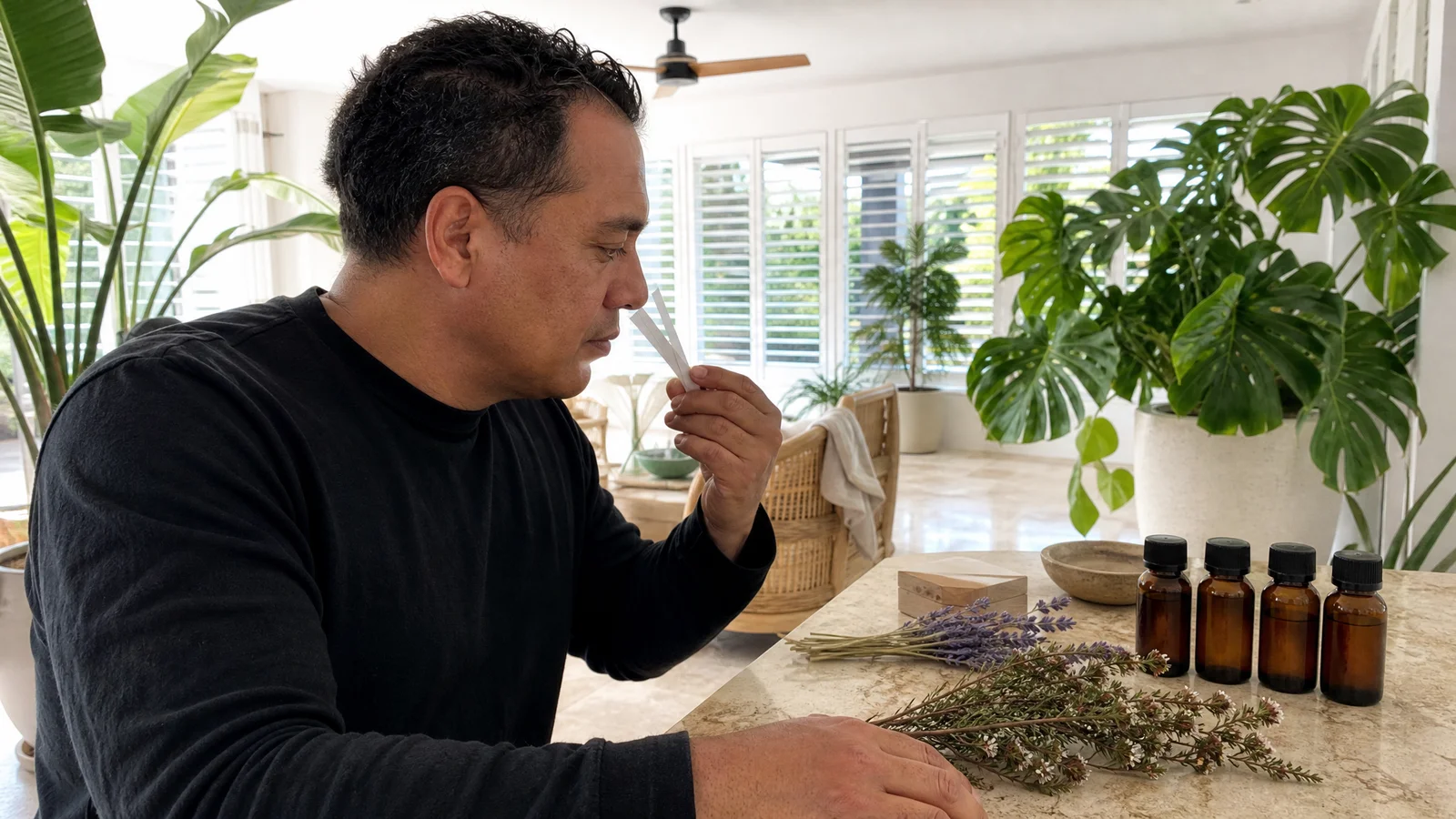
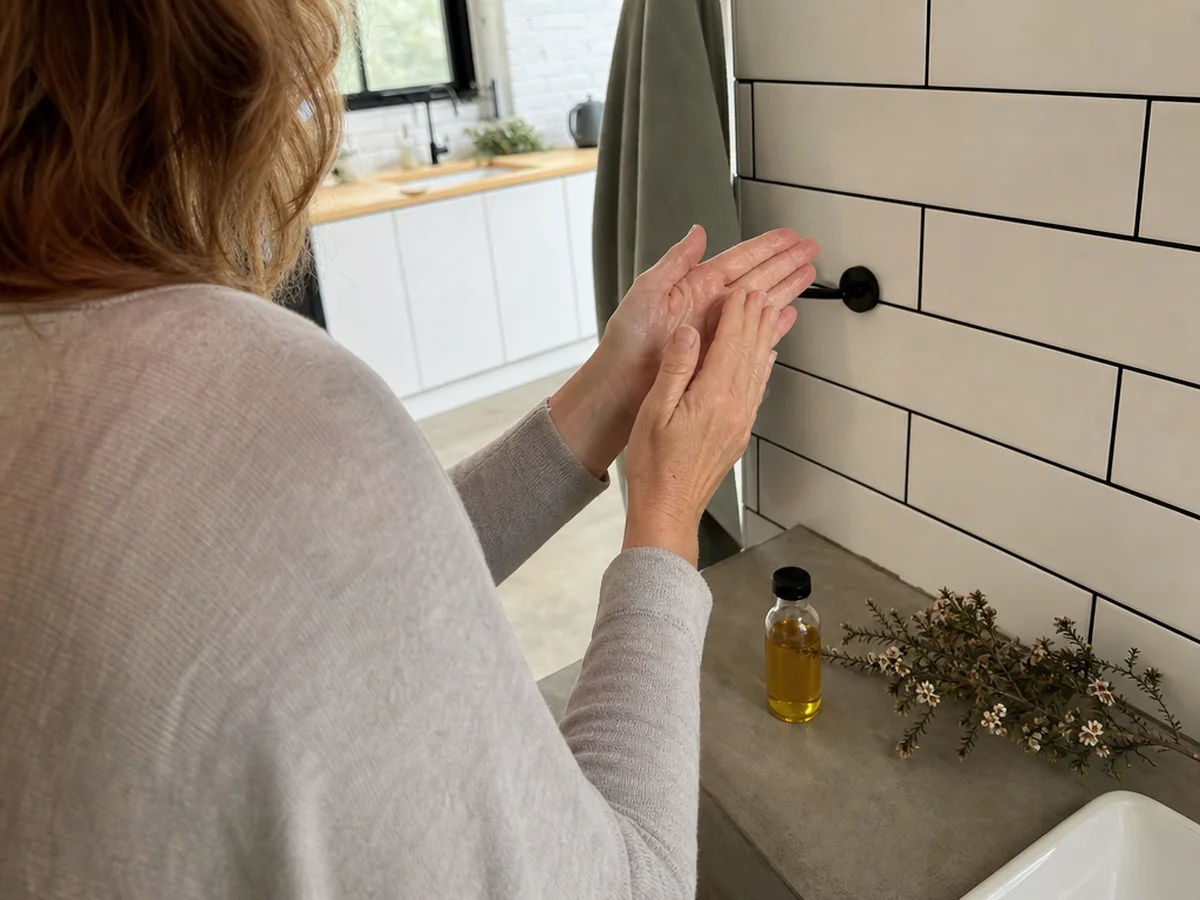
The nicest part of a blend like this is the ritual of it. Warm two or three drops of the finished oil between your palms for a few seconds, and then take a slow breath before it goes anywhere near your face. You will notice that the scent is deep and sweet rather than bright, and that it fades into the background after a minute or two. Keep the amount small: a few drops cover the face, and a pool in the palm is more than you need.
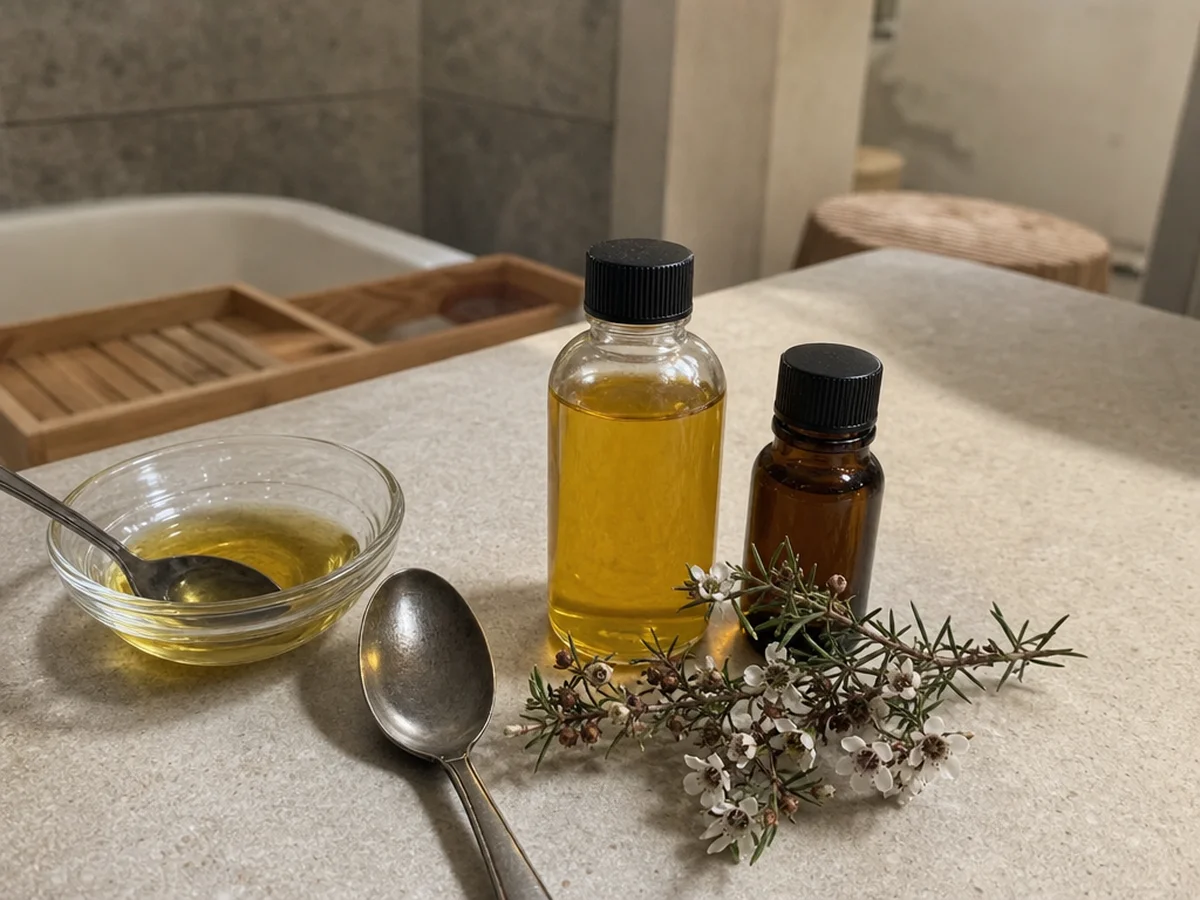
Leave the bottle somewhere you will remember it, but not on a sunny sill or beside a hot bath. A bathroom drawer or a bedroom shelf away from the window suits an oil better than the counter beside the tap. You can find the oil in our shop, and our bulk sizes are there if you later make larger batches.
What you end up with
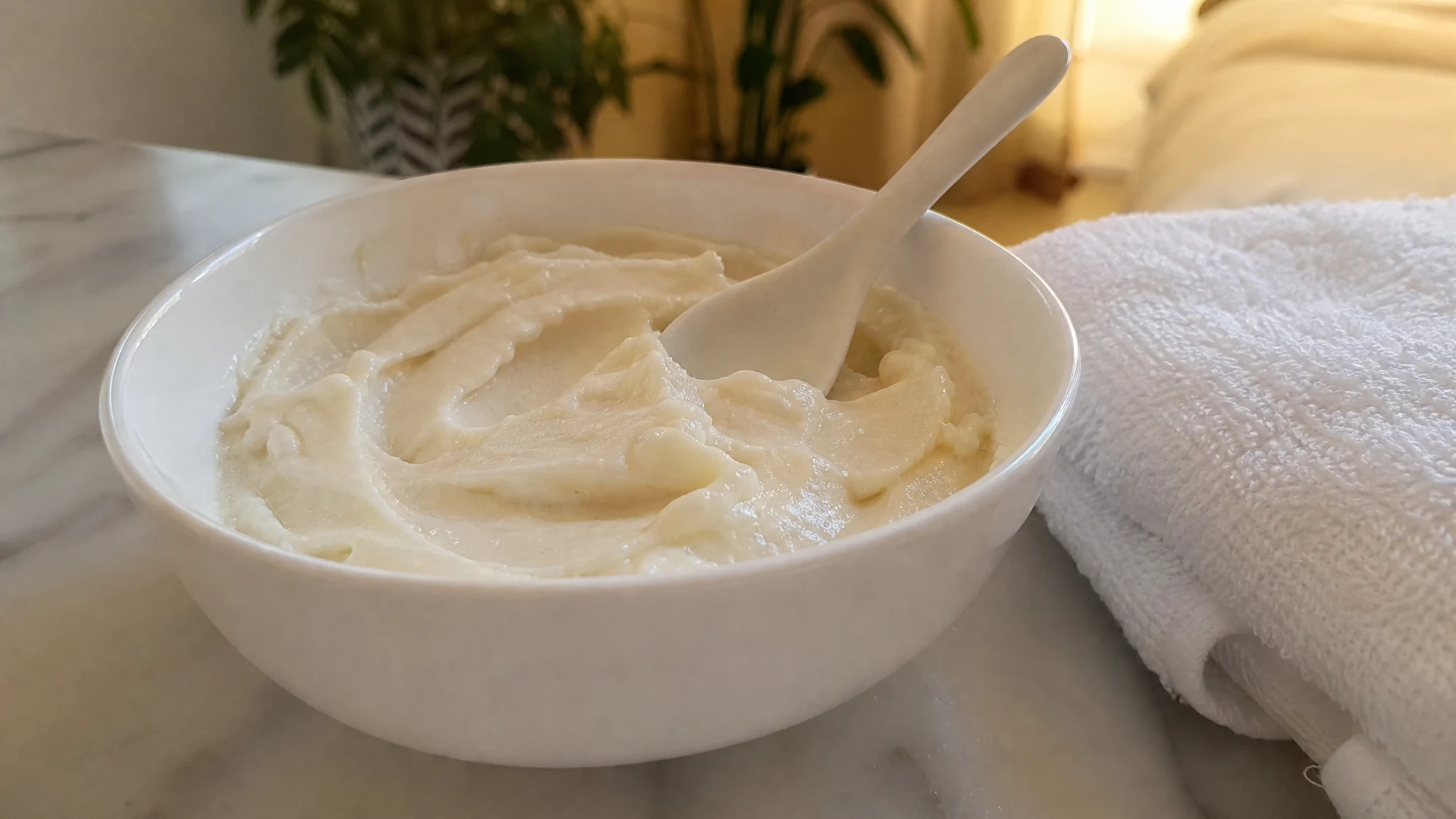
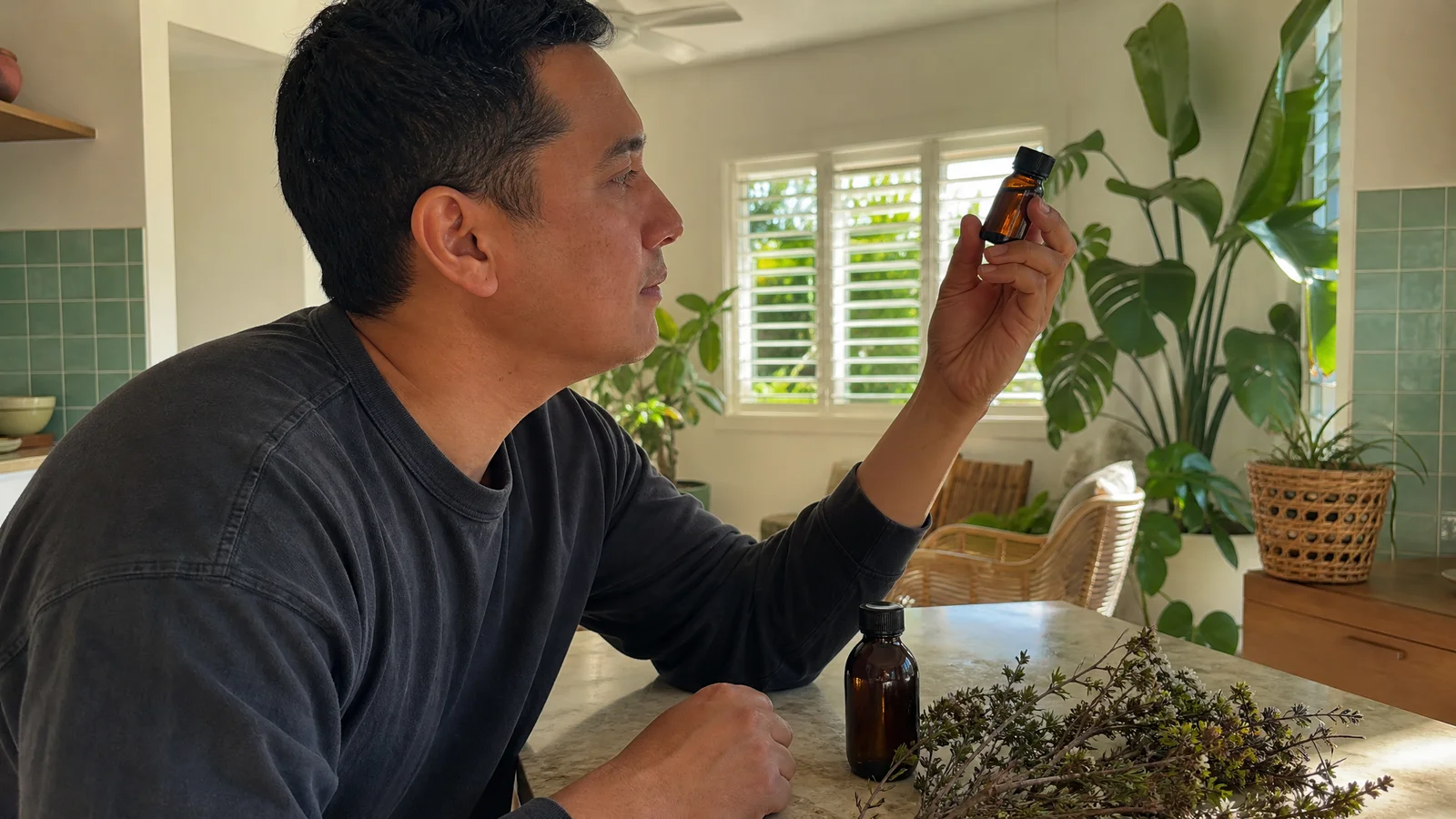
A lightly scented oil with a heavy, honeyed note. We describe the aroma as earthy, honeyed and warm, while the Certificate of Analysis we publish for one batch says "Sweet, Honey, Herbal", so smell the oil before deciding it suits your evening. For another leave-on blend, see the balm worked out by weight.
Manuka Essential Oil
Manuka Essential Oil from our own shop, in sizes from 0.5 oz to bulk.
From $18.99
Shop Now →Sources & Further Reading
- DermNet, Allergic contact dermatitis to essential oils. dermnetnz.org/topics/allergic-contact-dermatitis-to-essential-oils
- Tisserand Institute, Safety Guidelines - Tisserand Institute. tisserandinstitute.org/safety/safety-guidelines
- Hausen BM, Reichling J, Harkenthal M, 1999. Degradation products of monoterpenes are the sensitizing agents in tea tree oil. Am J Contact Dermat. PMID 10357714
- FDA, Is It a Cosmetic, a Drug, or Both? (Or Is It Soap?). fda.gov/cosmetics
- Mathew C, et al., 2020. Mānuka Oil-A Review of Antimicrobial and Other Medicinal Properties. Pharmaceuticals. PMID 33114724