What Is Manuka Oil Used For? Scent, Craft and Skin Care
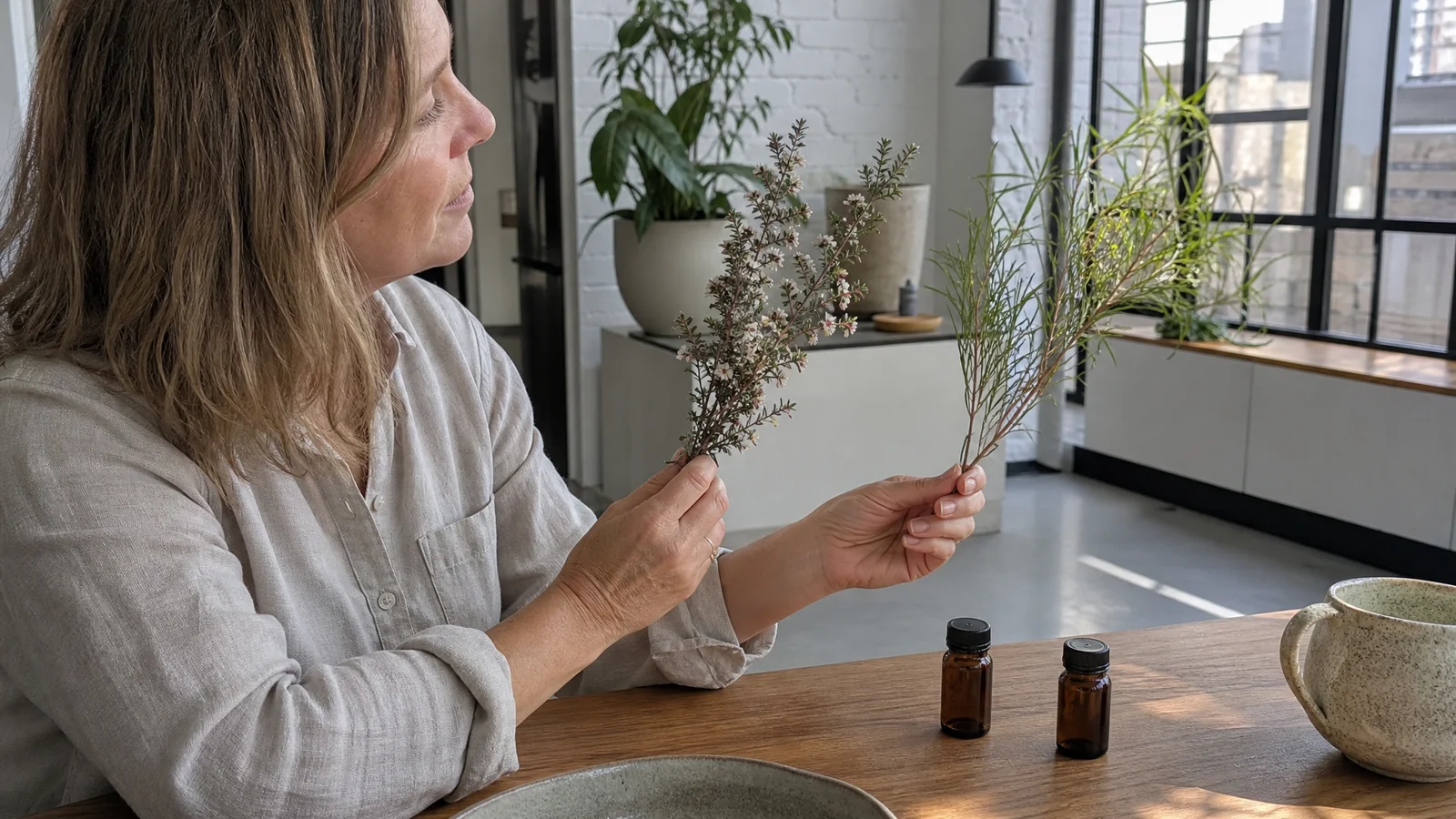
Most lists of essential oil uses are padded to reach a round number, and manuka does not need that. It is a rich, honeyed, woody oil with a handful of things it is genuinely good for, and the clearest way to enjoy it is to pick the use that suits your nose and your craft. Here are the ones we offer it for, with the practical know-how for each.
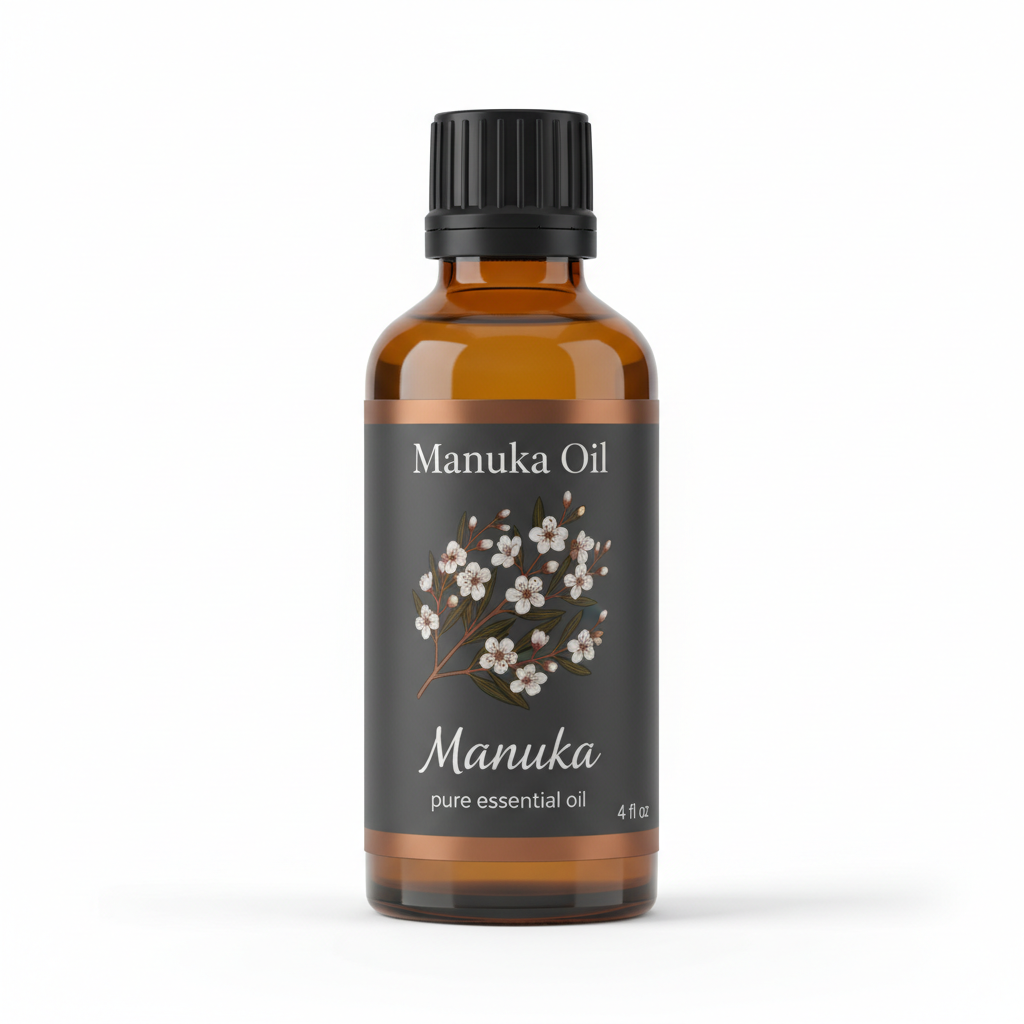
Manuka Essential Oil
Our own Manuka Essential Oil, in sizes from 0.5 oz to bulk.
From $18.99
Shop Now →Filling a room with it
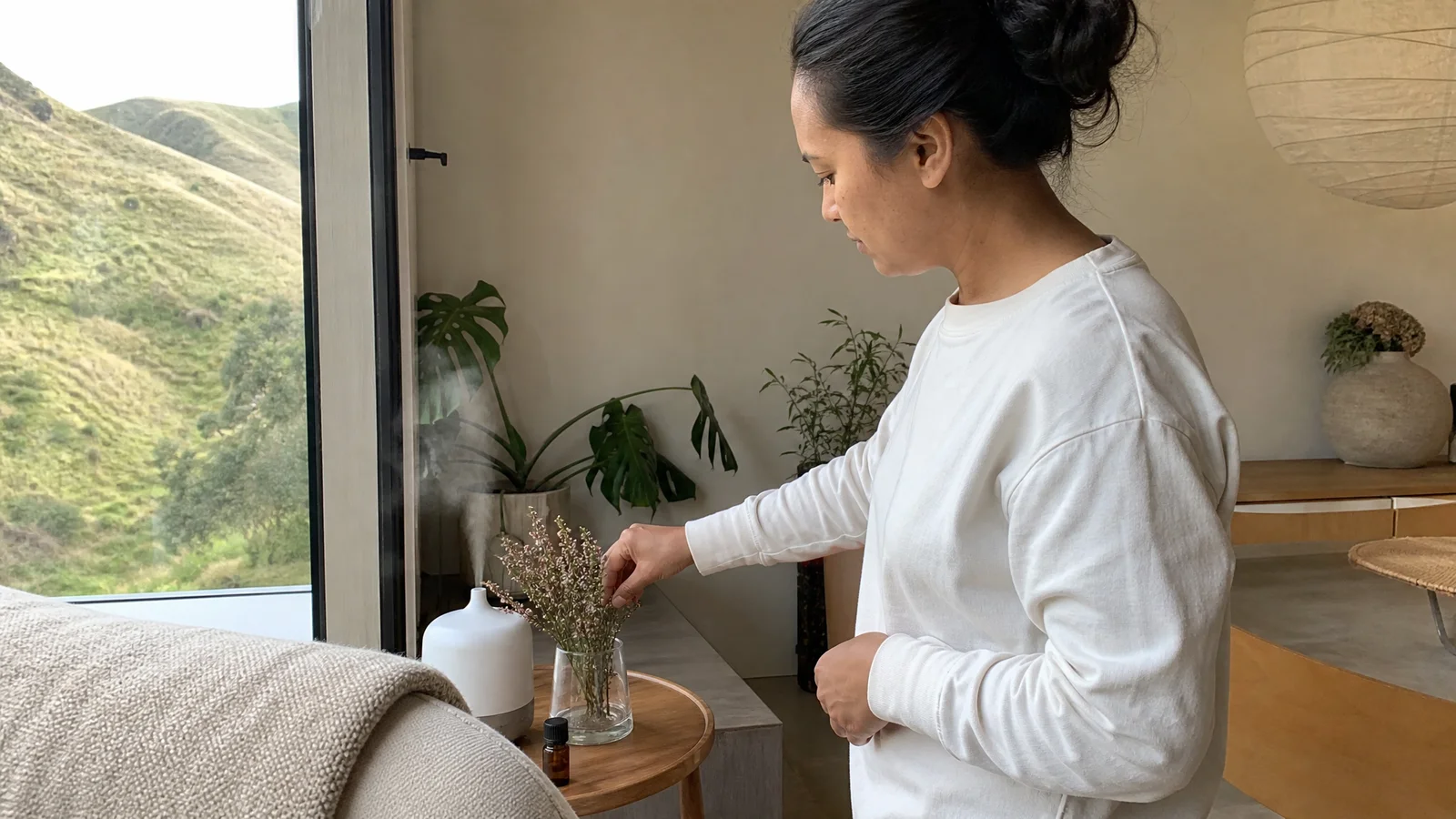
Diffusing is where manuka's warm, slightly spicy honey character shows off best. We describe it as a heavier, lower note, so it tends to work as the foundation of a blend, and lavender, bergamot, sweet orange, geranium and cedarwood are the partners we suggest. For a worked example, see our three-oil diffuser blend, and for more combinations the pairing guide.
The Tisserand Institute suggests diffusing for 30 to 60 minutes on, then 30 to 60 minutes off. DermNet notes that airborne contact dermatitis from diffusers has been reported as household use grows, so a little fresh air in the room is a good habit. If you share your home with pets, ask a veterinarian before diffusing, and if you are pregnant, Tisserand advises checking with a doctor or suitable practitioner first.
A diluted scented oil for the body
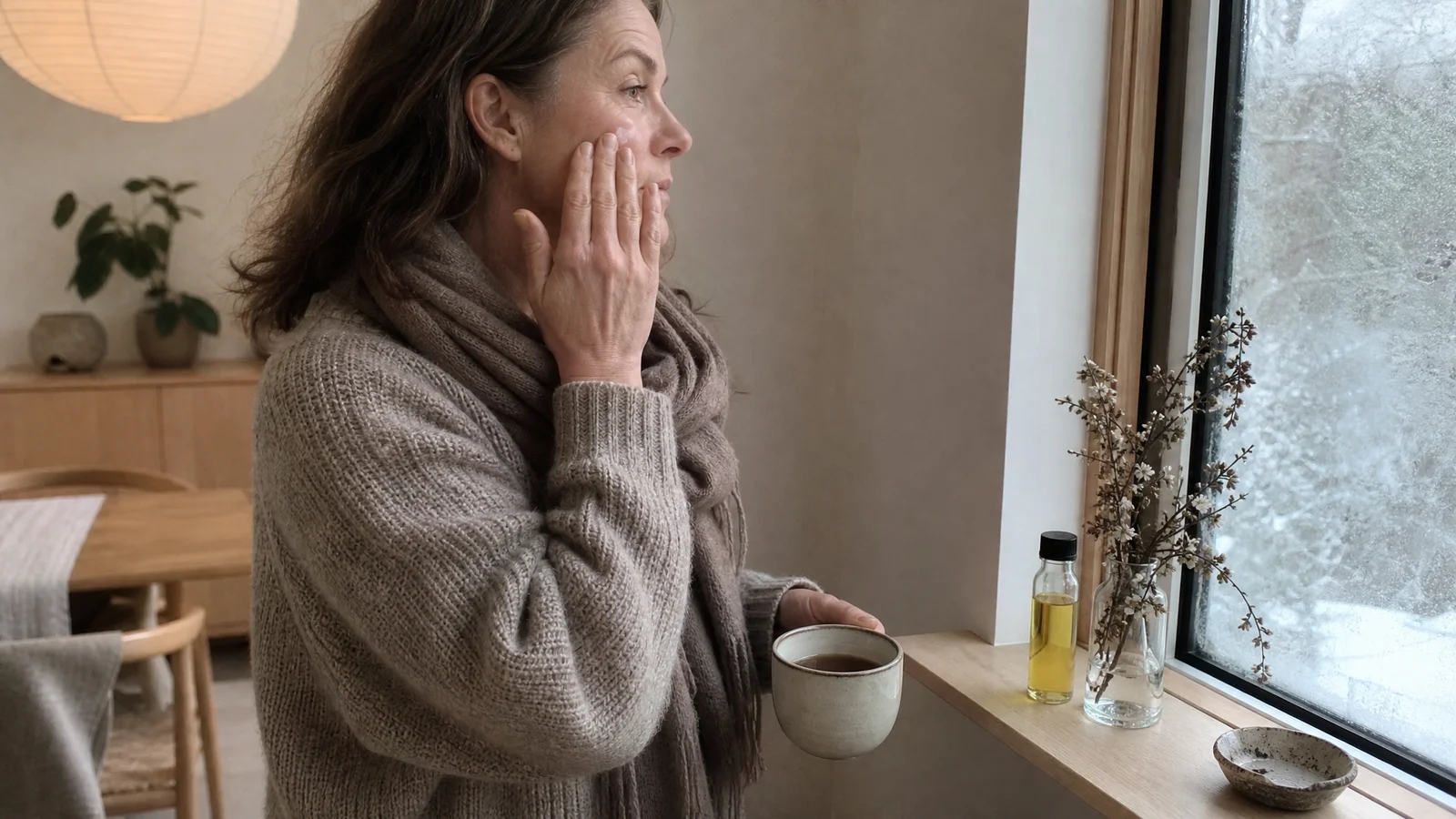
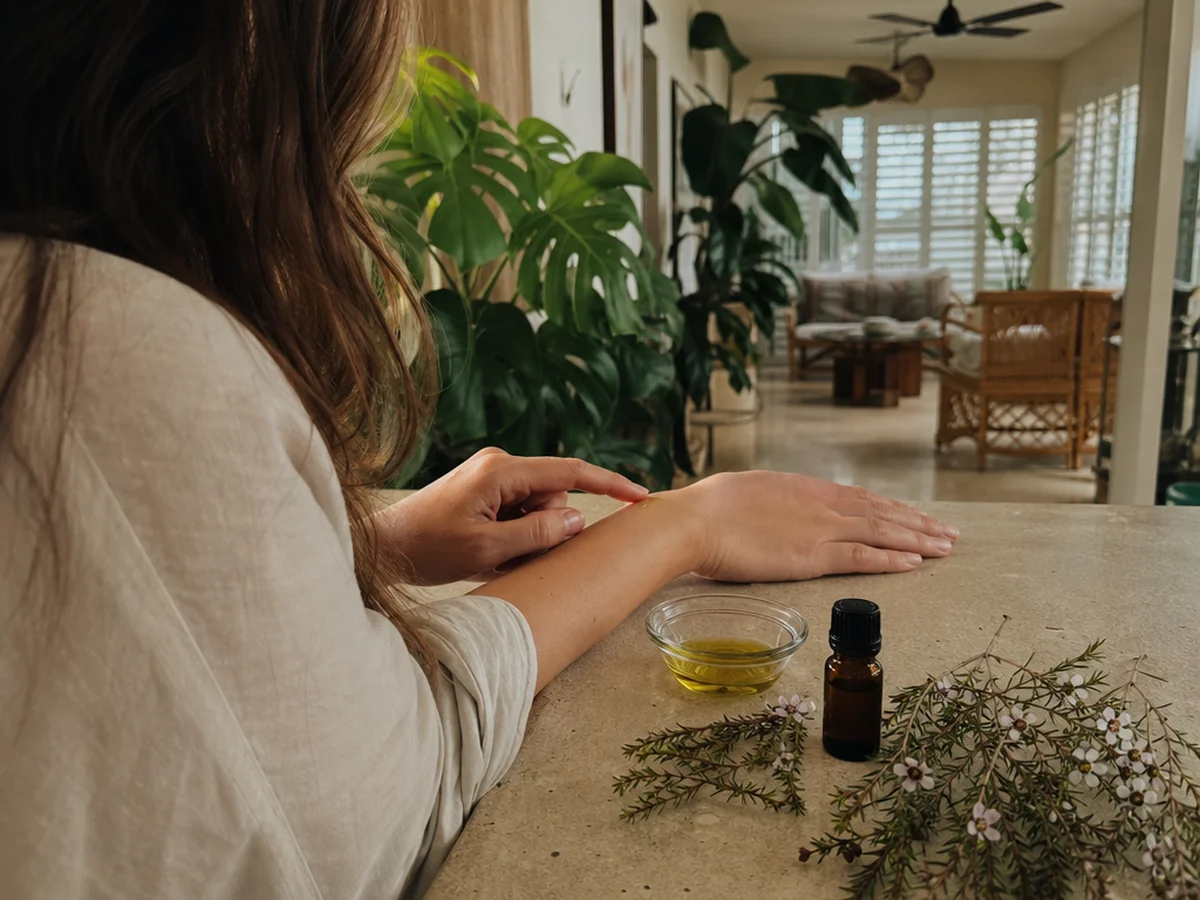
This is the use that most often comes up. We recommend diluting manuka to 0.5% to 2% in a carrier oil such as jojoba or sweet almond, starting at the low end for the face, and patch testing before you use it more widely. For one ounce (30 ml) of carrier, that is roughly 3 to 12 drops, counting about 20 drops per millilitre. Tisserand puts the principle plainly: do not apply undiluted essential oils to your skin. Patch tests are worth patience, because delayed reactions appear 24 to 72 hours after exposure, according to DermNet. People with eczema, a history of reactions or a pregnancy should check with a doctor or dermatologist first. Carriers come from a pharmacy or craft shop, and our posts on carrier oils and using it undiluted go into more detail.
Hair, scalp and beard blends
The same dilution logic applies to a scented hair oil or beard oil, which is something we describe purely as a way to enjoy the aroma. Our shampoo post walks through the drop and gram arithmetic.
Soap, candles and sprays
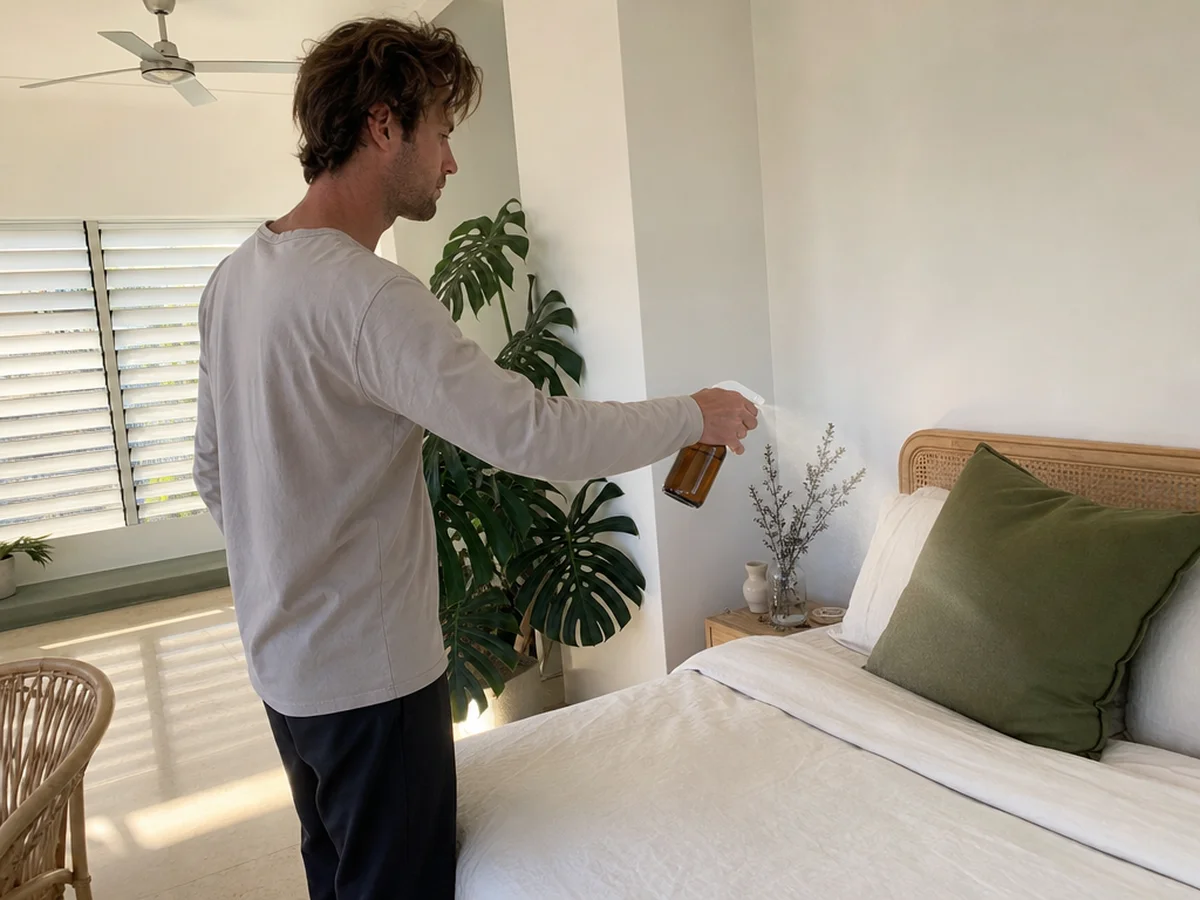
Makers use manuka oil for soap and candle projects, and for linen and room sprays. For these, the best guide is your base supplier: the usage rates and safety data sheets for soap bases, wax and dispersants come from them, and the right amount depends on the base and the process. Our spray article explains the dispersing question that water-based sprays raise. If you are planning craft work at volume, our wholesale page offers sample bottles to try before you commit to larger sizes.
Making a start
If you are new to manuka, we would begin with the least fussy use: a few drops in a diffuser, a quiet evening, and your own nose as the judge. Open the bottle first and take a slow breath from a little distance. Notice the honey, the earthiness and that slightly spicy edge, and ask yourself what you would pair it with. Lavender for something softer, sweet orange for something brighter, cedarwood for something woodier.
Once you know how you feel about the scent, the other uses become easier to choose. A scent you love is worth the care of diluting it properly for skin, and a scent that is not quite your style is a good reason to try a sample before planning a big project.
Not for the kitchen
Manuka oil is not for internal use, and it is not a flavouring. If someone swallows essential oil, Poison Control is the call, and our post on swallowing covers it.
Label everything you make
Whatever you make, write the date and the strength on the container. Scented oils, sprays and soaps all look alike once they are in a jar, and a label is what lets you repeat what worked and adjust what did not.
A note on health claims
You may see manuka oil linked online with all sorts of health benefits. The 2020 review of the oil's literature says the laboratory evidence is extensive while clinical trials are lacking and dosing and toxicology data are limited, and it advises avoiding the oil during childbirth. The FDA adds that how an aromatherapy product is regulated depends mainly on its intended use, and that claims like helping you sleep are drug claims. For those reasons we describe aroma and use, and we leave health outcomes to healthcare professionals. We make no claim that our oil treats, cleans or relieves anything.
How far a bottle goes
A one-ounce bottle holds about 26.5 grams, or roughly 591 drops, given the relative density of 0.896 on our batch certificate and the usual 20-drops-per-millilitre convention. At the 0.5% end, a 30 ml skin blend uses about 3 drops, so one ounce covers a great many such blends; a diffuser session or a craft batch uses more, depending on the instructions you follow. That arithmetic is an estimate, so weigh if you need precision. If you need data beyond the certificate, such as a GC-MS report, ask us in writing through the contact page before ordering and get the answer in writing.
Pick the use that makes you want to open the bottle, dilute with care, and let the scent do the talking.
Manuka Essential Oil
Manuka Essential Oil from our own shop, in sizes from 0.5 oz to bulk.
From $18.99
Shop Now →